Finding effective privacy plants for Zone 5 can be challenging, especially when you want fast growth, year-round coverage, and adaptable sizes. This guide highlights five proven options that perform well in Zone 5 and tolerate cold winters with proper planting. The selections cover evergreen hedges, large-frame trees, and fast-growing ornamentals to suit different yards, patios, and container setups. Each product is described with who it’s best for, why it was selected, and a practical limitation to consider before buying.
| Product | Best For | Why It Stands Out |
|---|---|---|
| Banana Basjoo Plants (4 Pack) | Large warm-season privacy in sheltered spots | Cold-hardy to -10°F with protection; fast growth and tropical foliage |
| Thuja Green Giant 2ft 8-Pack | Dense evergreen privacy screens | Very fast, broad evergreen with strong screening; easy to prune |
| Thuja Green Giant 1 Gallon 5-Pack | Smaller, scalable privacy hedge | Adaptable to various yard sizes; keeps a dense look as it fills in |
| 4-Pack Large Western Red Cedar Bare Root | Low-cost, sturdy year-round cover | Bare root shipping aids root establishment; fragrant evergreen |
| Hybrid Willow Tree Plants | Fast wind break and quick privacy line | Rapid growth, tall and dense; ideal for larger landscapes |
Banana Basjoo Plants (4 Pack) – Live Cold Hardy Banana Plants

Best for: sheltered patios or sunny spots where a tropical look is desired. The Musa basjoo variety is noted for surviving winters down to -10°F with protection, making it a rare choice for Zone 5. The 4-pack includes rooted starters ready to plant in soil or large containers, enabling quick, lush growth that can create visual privacy as the plants mature. Use in combination with evergreen neighbors for year-round coverage. Caution: heavy mulch and winter protection improve survival in colder microclimates.
Perfect Plants Thuja Green Giant 2ft. Tall 8-Pack

Best for: quick-coverage privacy in medium to large yards. The Thuja Green Giant is widely recognized as a premier fast-growing privacy tree. This 8-pack provides dense, dark-green foliage that can reach a broad, screen-like silhouette. It grows with a pyramidal shape and tolerates pruning to maintain a desired height. Caution: mature sizes can be substantial; plan spacing to avoid overcrowding unless you intend a tall, thick screen.
Perfect Plants Thuja Green Giant 1 Gallon 5-Pack
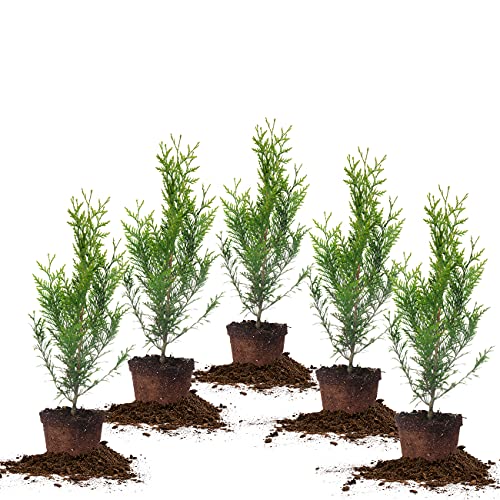
Best for: smaller or budget-friendly privacy installations that still require a strong evergreen hedge. This 5-pack expands neatly as younger plants, allowing a gradual building of a dense barrier. The Thuja Green Giant remains fast-growing and adaptable, with the option to prune to a comfortable height. Caution: spacing and eventual size should be planned to fit the space and prevent crowding as roots develop.
Perfect Plants Thuja Green Giant 3 Gallon

Best for: rapid privacy with robust mature screening potential. This larger size can accelerate the timeline for a fully enclosed feel. It grows up to several feet per year and can reach significant heights and widths, making it effective for wide screening. Caution: California or Arizona shipping restrictions apply; check local regulations before ordering if you’re near or in restricted states.
4-Pack Large Western Red Cedar Bare Root
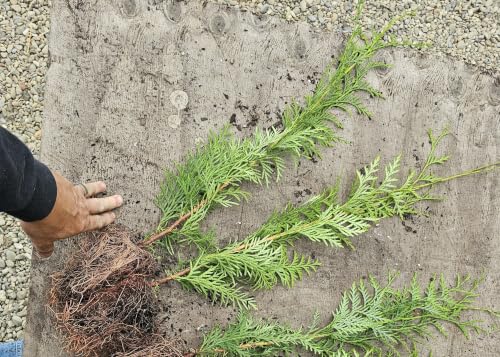
Best for: budget-conscious buyers seeking year-round greenery with fragrance. These bare-root Western Red Cedar trees come without soil or pots, promoting strong root establishment. At approximately 20 inches tall, they are ready to plant for immediate landscape impact. Caution: bare-root establishment requires careful planting and moisture management to ensure good root-to-soil contact.
Hybrid Willow Tree Plants

Best for: large landscapes needing a quick, tall privacy or windbreak. The Austree hybrid willow grows about 12 feet per year with a potential final height of 50-75 feet. These are easy to grow and maintain a dense canopy suitable for screening. Caution: willows can have extensive root systems; ensure adequate space and stable soil to prevent disruption of nearby structures.
Buying Guide: Zone 5 Privacy Plant Essentials
- Growth speed and mature size: For fast privacy, prioritize evergreen conifers (Thuja), western red cedar, or hybrid willows. Consider eventual height and width to avoid overcrowding and to match your yard’s footprint.
- Hardiness and climate: Zone 5 plants must tolerate cold winters. Look for explicit hardiness notes (e.g., -10°F for banana basjoo with protection) and select microclimate-appropriate spots (south-facing walls, sheltered courtyards).
- Maintenance and pruning: Dense screens from Thuja and cedar often require minimal shaping but benefit from occasional pruning. Willows may need regular trimming to keep a neat hedge line or to prevent excessive spread.
- Soil and planting method: Bare-root options save money but need timely planting and consistent moisture. Potted or container-ready plants offer flexibility but may require more frequent watering.
- Landscaping goals: Decide whether you want a year-round evergreen screen, a seasonal flowering accent, or a fast-growing focal point. Mixing varieties can balance color, fragrance, and privacy duration.
- Site considerations: Check for above-ground utility lines, rooting impact near foundations, and local restrictions on specific species (e.g., shipping limitations to certain states).
Frequently Asked Questions
- What are the fastest privacy trees for Zone 5?
– Hybrid willows and Thuja Green Giant varieties offer rapid screening, with willows growing especially fast in suitable soils and sun. - Are banana plants suitable for Zone 5 privacy screens?
– Banana Basjoo can survive colder winters with protection in Zone 5, but it requires sheltered microclimates and winter protection to maintain vitality. - Can I mix evergreens with deciduous screens for year-round privacy?
– Yes. Evergreens provide winter cover, while deciduous screens add seasonal flexibility and foliage color in spring and summer. - What maintenance is typical for these privacy plants?
– Regular watering in establishment, periodic pruning for shape, and monitoring for pests or diseases according to species guidelines. - Do bare-root trees require special care after planting?
– Yes. Plant promptly, keep roots moist, and provide adequate moisture while roots establish, typically with a protective mulch layer. - Are there any shipping or legal restrictions to consider?
– Some listings note regional restrictions. Verify local regulations before ordering to ensure successful delivery and compliance.