Answering the needs of beginners and small-space gardeners, this guide highlights top worm farm start up kits for efficient vermicomposting. Each option is chosen for ease of use, odor control, and space efficiency. Ideal buyers include apartment dwellers, hobby gardeners, and classroom educators. The following table summarizes five beginner-friendly choices with their key strengths.
| Product | Type | Best For | Why Pick |
|---|---|---|---|
| The Original VermiHut® Plus 5-Tray | Multi-tray bin | Small to medium households | Compact footprint with continuous flow design |
| Urban Worm Bag Version 2 | Fabric bag system | Space-saving setups | No bottom zipper, simple feed-through |
| Worm Factory 360 | Tray-based system | Families and classrooms | Four trays, easy expansion, odor control |
| Blütezeit 5-Tray Worm Bin | Tray-based bin | Indoor/outdoor use | Rapid vermicomposting with durable design |
| HCGADON 3-Tray Worm Farm | Expandable trays | Beginner setups | 3 trays, indoor/outdoor versatility |
The Original VermiHut Plus 5-Tray Worm Bin

Best for compact spaces and steady output, this unit emphasizes a high-efficiency footprint. The V-Board moisture system helps maintain a stable environment for worms, supporting consistent composting performance. It is well suited for households that want continuous flow processing without expanding floor space.
Who it’s best for: small apartments or sheds where space is at a premium, and users prioritize odor reduction combined with reliable throughput. Caution: some users may need extra bedding or worm starter material to optimize initial setup.
Urban Worm Bag Version 2
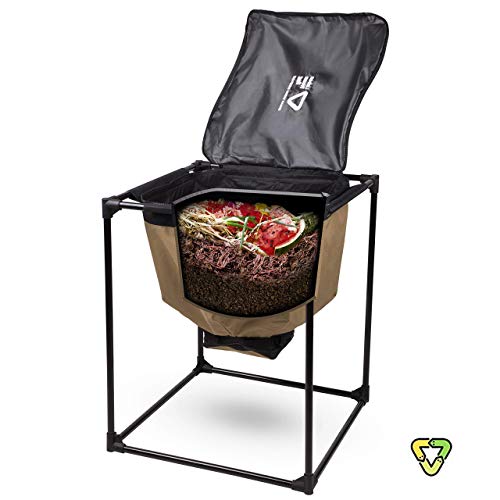
Better for tight spaces, this fabric system uses a bottom-free design that simplifies harvesting and reduces setup clutter. Its top-feed and bottom-castings flow enable hands-off management once established. The detachable fabric cover provides adjustable moisture control for changing kitchen waste input.
Who it’s best for: households seeking a lightweight, portable solution with straightforward feeding. Caution: fabric bags can require careful moisture monitoring to prevent overly wet conditions.
Worm Factory 360

This four-tray system suits households that want a clear, modular setup. It’s designed to be durable and space-efficient, with simple assembly and scalable production by adding trays to the top as the worm colony grows. Easy access to multiple trays makes feeding and harvesting straightforward.
Who it’s best for: families or classrooms starting out with vermicomposting who value a fixed, proven tray layout. Caution: some users may prefer a stand or elevated surface for easier tray access.
Blütezeit 5-Tray Worm Compost Bin

Best for rapid vermicomposting, this model uses five trays to accelerate processing of kitchen waste into rich compost. Made from durable PP, it stacks easily for ongoing capacity. Ventilation and tray-based design help control odors and ease monitoring.
Who it’s best for: homeowners who want faster composting and a robust setup that remains manageable indoors or outdoors. Caution: larger footprint than single-tray options; plan for storage space accordingly.
HCGADON 3-Tray Worm Farm

Best for beginners, this 3-tray expandable design offers a gentle ramp-up into vermicomposting. It supports indoor or outdoor use with UV-resistant plastic designed to handle year-round recycling of organic waste. The system is straightforward and minimizes upfront complexity.
Who it’s best for: first-time worm farmers or small households testing vermicomposting. Caution: expansion is possible but requires purchase of additional trays if growth occurs.
Buying Guide: Key Purchase Considerations
What should you evaluate when starting a worm farm?
- Space and footprint: Measure available floor area to match the bin’s size. Smaller apartments benefit from compact units like VermiHut or Urban Worm Bag.
- Moisture control: Look for trays with ventilation or moisture-moderating features. Proper airflow reduces odor and promotes healthy worm activity.
- Capacity vs. growth: Start with a system that can scale if your kitchen waste increases. Four to five trays is a common beginner sweet spot.
- Feeding method: Choose top-feeding trays or bottom-casting designs based on your preference for harvesting ease and worm crowding management.
- Durability and material: Durable plastics or fabric bags offer different longevity and maintenance needs. PP plastics are typically easier to clean; fabric bags save weight and space but require moisture monitoring.
- Ease of assembly: Simple instructions and modular trays help new users get started quickly and reduce setup frustration.
Frequently Asked Questions
- What is vermicomposting primarily used for?
It converts kitchen scraps into nutrient-rich castings for gardens and houseplants. - Which worm species are common in beginner bins?
Red wigglers are the typical choice for efficient composting in home setups. - Can I place a worm farm indoors?
Yes, many units are designed for indoor use, provided you maintain adequate airflow and odor control. - How often should I feed my worm bin?
Start with small amounts at a time and gradually increase as bedding settles and worms become active. - How do I know if my bin is too wet or too dry?
Look for surface moisture and worm movement; adjust moisture with bedding or by allowing airflow as needed. - When is it time to harvest compost?
Harvest once the material resembles dark, crumbly soil and the top layers show reduced active feeding.