Whether you’re camping, hiking, or guarding a remote property, a wireless perimeter alarm system can provide quick alerts and reliable coverage. This guide highlights five top options designed for outdoor use, with features like long-range wireless signals, weatherproof housings, and adjustable detection zones. Below you’ll find quick buying insights and in-depth product details to help you compare options at a glance.
Summary table of chosen products:
| Product | Brand | Coverage / Range | Receivers / Sensors | Key Strengths |
|---|---|---|---|---|
| Portable Outdoor Perimeter Alarm System (1 Receiver + 4 Sensors) | HTZSAFE | Up to 1/4 mile | 1 Receiver, 4 Sensors | Weatherproof sensors, wide detection, multiple alarm modes |
| Driveway Alarm (1 Receiver + 2 Sensors) | HTZSAFE | Up to 1/4 mile | 1 Receiver, 2 Sensors | Low false alarms, adjustable sensitivity, solid range |
| Portable Outdoor Perimeter Alarm System (1 Receiver + 2 Sensors) | HTZSAFE | Up to 1/4 mile | 1 Receiver, 2 Sensors | Compact, weatherproof, versatile placement |
| 6 Pack Trip Alarm (Perimeter / Bear Deterrent) | HOZOL | Perimeter dependent | Multiple trip alarms (pack) | Loud audible alerts, reusable design |
| Bestguarder Wireless Alarm System Kits (Up To 5 Detectors) | Bestguarder | Up to ~984 feet line-of-sight | 1 Receiver, up to 5 Detectors | Adjustable sensitivity, night/day operation |
Portable Outdoor Perimeter Alarm System — 4 Sensors
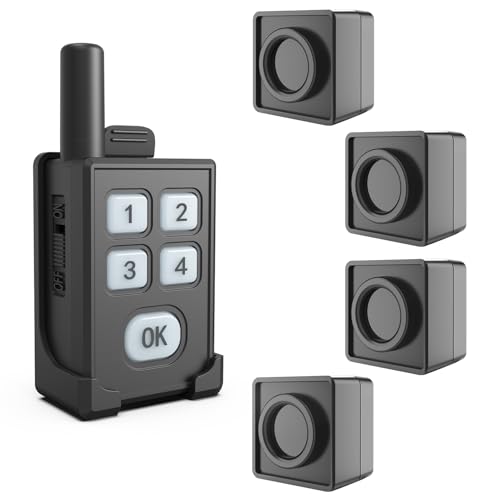
The HTZSAFE Portable Outdoor Perimeter Alarm System provides instant perimeter protection for outdoor activities. A motion detector sends alerts when activity is detected within a 35-foot range, helping secure campsites, tents, RV spots, fishing holes, or hunting blinds from visitors or wildlife. The kit includes one receiver and four sensors, delivering broad coverage for larger setups. IP65 weatherproof sensors withstand rain and dust, and the device operates in temperatures from -30 to 150 degrees Fahrenheit. The receiver offers three alarm modes—Light, Sound, and Vibration—for flexible notification preferences.
Driveway Alarm — 2 Sensors, 1 Receiver

This Driveway Alarm supports a wide range of applications, including driveways, porches, gates, pools, and garages. It operates reliably in diverse climates with a temperature tolerance from -30 to 150 degrees Fahrenheit. The system uses improved wireless technology (FSK+FHSS) to minimize interference. With a 1/2 mile wireless transmission range and a 50-foot wide detection zone, it’s well-suited for larger properties. Two adjustable sensitivities allow customization to reduce false alerts from small animals or environmental factors.
Portable Outdoor Perimeter Alarm System — 2 Sensors

This lighter, portable variant mirrors the 1-receiver system design but with two sensors for compact setups. It maintains IP65 weatherproofing and a 1/4 mile wireless range, making it practical for dispersed campsites or multi-entry checkpoints. The 35-foot detection range supports monitoring approaches while minimizing false alarms through optimized PIR sensing that targets larger moving objects.
6 Pack Trip Alarm — Perimeter Security
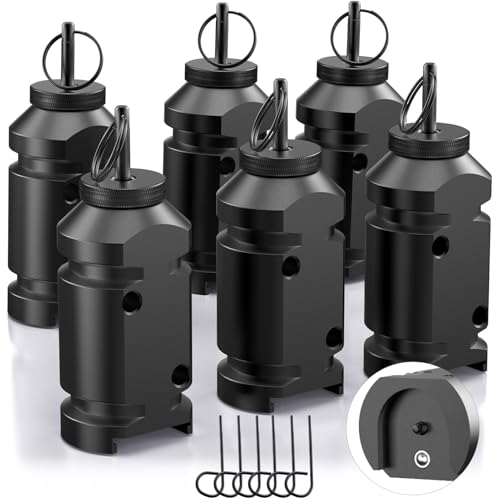
The HOZOL 6 Pack Trip Alarm offers a loud audible alert to deter intruders or wildlife around camping, farms, gates, or restricted areas. The design emphasizes ease of use with concealed trip wires and reloadable, spring-triggered alarms. While compatible with various 12-gauge accessories, the system’s core function is straightforward, dependable audible warning to enhance perimeter awareness and personal safety in outdoor settings.
Bestguarder Wireless Alarm System Kits

The Bestguarder kit features long-range wireless operation and flexible detector-to-receiver pairing. The system supports up to five detectors paired with a single receiver, enabling comprehensive coverage of blind spots. It includes adjustable PIR sensitivity and the ability to operate in various lighting conditions, making it suitable for outdoor security applications across night and day. Real-time alarms are delivered via vibration, sound, or light, with a claimed detection efficiency for animals and people alike.
Buying Guide
Key considerations when selecting a wireless perimeter alarm system start with range and coverage. For remote campsites or large properties, prioritize models with at least a 1/2 mile wireless link and multiple sensors to cover entry points. Weatherproofing is essential; look for IP ratings and operating temperature ranges that match your environment. Alarm versatility matters—systems offering multiple alert modes (sound, light, vibration) or integration with headphones or external devices can improve situational awareness in noisy or windy settings.
Sensor technology influences reliability. Passive infrared (PIR) sensors detect motion but may trigger from wind-blown vegetation, while radar-based solutions perform better in rain or fog but may be more expensive. Consider the detection range and zone configuration to minimize false alarms while ensuring you don’t miss legitimate intrusions. Battery life and ease of installation also matter, especially in remote campsites where maintenance options are limited. Finally, assess expandability: if you anticipate adding more sensors or detectors, choose a system that supports scalable configurations.
Cost and maintenance are practical factors. Multi-sensor kits provide broader coverage but can increase upfront cost. Look for systems with reusable components and long-lasting batteries. If you plan to use the setup across different locations, portability and included carrying cases are valuable. Lastly, check customer support options and warranty coverage, as reliable service helps resolve setup or interference concerns quickly.
In conclusion, the options above balance practical outdoor needs with robust alerting capabilities. When choosing, map your security zones, consider typical wildlife or human activity in the area, and select a system that matches your terrain and willingness to manage potential false alarms.