If you’re seeking weight-reducing dog foods that support lean muscles and healthy metabolism, you’re in the right place. This guide highlights five strong choices for adult dogs and small breeds, with clear why-to-pick guidance. Each option targets weight management, protein quality, and digestible nutrition to help pets stay active. Best for busy owners who want straightforward, vet-informed nutrition without gimmicks.
Summary table of chosen products:
| Product | Best For | Key Benefit |
|---|---|---|
| Purina Pro Plan Small Breed Weight Management Dry Dog Food | Small breeds needing lean muscle | High protein with shredded texture; lower fat |
| VICTOR Purpose Senior Healthy Weight Management | Senior or less active dogs | Gluten-free grains; L-Carnitine for lean mass |
| Blue Buffalo Life Protection Formula Healthy Weight Adult Dry Dog Food (15 lb) | Adults needing balanced nutrition | Real chicken first; antioxidant LifeSource Bits |
| P urina ONE Plus Healthy Weight High-Protein Dry Formula (8 lb) | Weight control with high protein | Real turkey first; joint support with glucosamine |
| Purina ONE Plus Healthy Weight High-Protein Dry Formula (16.5 lb) | Growing families or multi-dog households | Same great formula as 8 lb, more capacity |
Purina Pro Plan Small Breed Weight Management Dry Dog Food

Best for: small-breed dogs that need to lose weight while preserving lean muscle. This formula uses real chicken as the first ingredient and provides a protein-rich profile that supports muscle maintenance during weight loss. It also features a crunchy kibble with shredded bits for texture and palatability.
Why it was selected: High-protein, lower-fat profile helps lean mass retention in weight-reducing plans. Natural prebiotic fiber supports digestive health, which can be important when adjusting meals.
Caution: Some dogs may prefer wetter textures and may require gradual transition if current kibble size is significantly larger or smaller than their usual bites.
VICTOR Purpose Senior Healthy Weight Management

Best for: senior dogs or adults needing a controlled-calorie option with joint-support ingredients. This formula combines gluten-free grains with beef, fish, and chicken meals for protein variety and energy.
Why it was selected: L-Carnitine helps support lean muscle development and healthy weight, while glucosamine and chondroitin support hip and joint health—important for older dogs.
Caution: Some dogs with sensitive digestion may need a slow transition due to new protein sources or grain content. Monitor stool changes during the switch.
Blue Buffalo Life Protection Formula Healthy Weight Adult Dry Dog Food (15 lb)

Best for: adult dogs needing a balanced weight-management approach with recognizable ingredients. Real chicken as the first ingredient supports lean muscle while the nutrition profile emphasizes balanced energy distribution.
Why it was selected: The formula emphasizes a balanced caloric profile with energy-dense yet natural ingredients, guided by veterinarians and nutritionists to promote overall wellness.
Caution: For dogs with grain sensitivities, confirm suitability since this product uses grains in its base formulation.
Purina ONE Plus Healthy Weight High-Protein Dry Formula (8 lb)
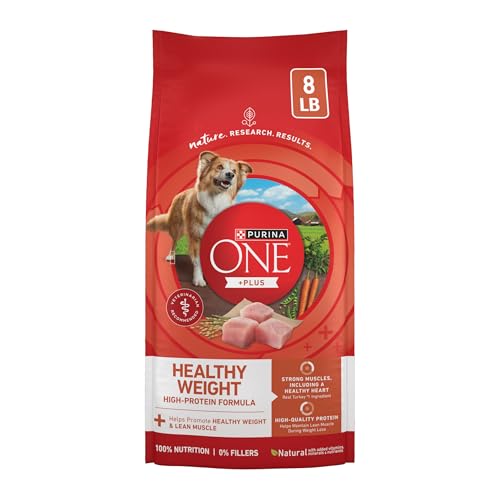
Best for: dogs requiring a robust protein punch to maintain muscle while reducing calories. Real turkey is the first ingredient, supporting muscle maintenance and heart health.
Why it was selected: Combines high-quality protein with immune-supporting antioxidants and joint-supportive glucosamine—helpful for active dogs at weight-management goals.
Caution: The smaller bag size means more frequent restocking for households with larger or multiple dogs; plan for inventory accordingly.
Purina ONE Plus Healthy Weight High-Protein Dry Formula (16.5 lb)

Best for: households seeking long-term weight-management options with a higher bag capacity. It shares the same core formula as the 8 lb variant but in a larger quantity.
Why it was selected: High-protein, weight-conscious formula with antioxidant support and glucosamine for joint health, suitable for dogs that are consistent in their feeding routine.
Caution: Transitioning to a larger bag can complicate rotation if you occasionally mix in different proteins; maintain a stable feeding plan to prevent digestive issues.
Buying Guide: Weight-Reducing Dog Food
- Protein Level: Look for high-quality animal protein as the first ingredient to maintain lean muscle while losing fat. Higher protein helps dogs feel fuller and supports metabolism.
- Calorie Control: Choose formulas with established caloric density suitable for weight loss. Avoid foods with excess fillers or simple sugars that can hinder progress.
- Joint and Digestive Support: Options with glucosamine, chondroitin, or prebiotic fibers can aid digestion and joint health during weight changes.
- Life Stage and Size: Small-breed formulas often have appropriately sized kibbles and higher protein density, while senior options may include glucosamine or L-Carnitine.
- Grain Sensitivity: If your dog has food sensitivities, choose gluten-free or single-protein options and monitor for reactions.
- Transition Plan: Introduce any new weight-management food gradually over 7–14 days to minimize digestive upset and ensure acceptance.
- Portion Guidance: Use your veterinarian’s recommended daily caloric target to determine portions. Regular weigh-ins help adjust intake.
- Long-Term Use: Weight management is a sustained effort. Choose a formula you can reasonably feed long-term to avoid yo-yo dieting.
FAQ
- What makes weight-management dog foods different? These formulas prioritize higher protein, lower fat, and controlled calories to support lean muscle while promoting fat loss.
- Can all dogs use these foods for weight loss? They are designed for adult dogs; consult a veterinarian before starting a weight-management plan for puppies, pregnant or lactating dogs, or dogs with medical conditions.
- How quickly should I expect results? Visible weight loss often appears within several weeks when combined with regular exercise and proper portions, but progress varies by dog.
- Should I switch proteins if my dog is picky? A gradual transition (7–14 days) helps dogs adapt to new flavors and textures without digestive upset.
- Is grain-free always better for weight management? Not necessarily. Many weight-management formulas use balanced grains that provide steady energy; only consider grain-free if your dog has a confirmed sensitivity.
- How do I know if portion sizes are correct? Start with the feeding guidelines on the bag and adjust based on weekly weight checks guided by your veterinarian.