Water-powered turbine generators offer compact, off-grid electricity options for hobbyists and small-scale projects. This guide highlights five reliable units from well-known brands, focusing on 12V and 24V or smaller voltage options suitable for lights, small appliances, and charging needs. Each product is evaluated by its output, durability, and practical application in micro-hydroelectric setups.
| Product | Brand | Voltage | Key Use |
|---|---|---|---|
| Beduan Micro Water Turbine Generator G1/2″ 12V | Beduan | 12V DC | Radio power, LED lighting, charging |
| Water Turbine Generator Micro Flow Generator 12V | Tyenaza | 12V | DIY projects, power supply for small devices |
| Beduan Micro Water Turbine Generator G1/2″ 24V | Beduan | 24V AC | Charging and lighting in micro-hydro setups |
| Pump Turbine Generator Micro Hydroelectric 80V | Tyenaza | 80V | High-output micro hydro projects |
| Beduan Micro Water Turbine Generator G1/2″ 5V | Beduan | 5V | Low-voltage lighting and small USB-like loads |
Beduan 12V Micro Water Turbine Generator
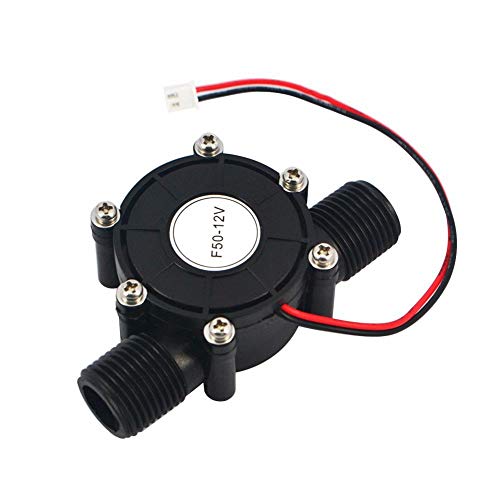
The Beduan model provides a compact 12V DC output with a G1/2″ male thread. It features an outlet opening pressure up to 1.2 MPa and a modest mechanical noise level of ≤55 dB. The generator is designed for extended life, rated at ≥3000 hours, and supports powering a 12V radio, charging, and lighting via a 10W LED. The maximum charge current is 220 mA, making it suitable for steady, low-power applications in small hydro setups.
Water Turbine Generator 12V Micro Flow (12V)

This Tyenaza unit offers a transparent shell to observe turbine operation in real time, enhancing DIY projects. Its compact size and light weight simplify installation in various setups, including intelligent or induction faucets and small heating systems. The DC generator employs water-electric separation technology to deliver power efficiently from hydroelectric sources, suitable for modest charging tasks and powering small electronics.
Beduan 24V Micro Water Turbine Generator

This model provides a 24V AC output with a similar pressure tolerance (up to 1.2 MPa) and low noise (≤55 dB). It is built for longevity, with a generator life of ≥3000 hours, and supports powering a 10W LED light and other small devices via a maximum charge current of 220 mA. Its higher voltage makes it suitable for slightly larger micro-hydro projects or longer cable runs.
Pump Turbine Generator 80V Micro Hydroelectric

The Tyenaza 80V micro hydro turbine targets higher output demands within compact form factors. It features a transparent shell for real-time monitoring, a compact profile, and easy installation compatible with smart faucets, induction systems, and small heating units. The unit shares the water-electric separation concept, making it practical for users seeking greater effects from micro-hydro projects without resorting to large-scale equipment.
Wonofa 12V Micro Hydro Generator

Wonofa’s micro hydro generator emphasizes UV resistance and long life, with a stated generator life of over 3000 hours. It converts flowing water into electrical energy for charging and powering low-power devices. The design focuses on durability in water-rich environments, making it a solid option for small DIY hydro projects that require consistent low-voltage output and reliable operation.
Pump Turbine Generator 5V Micro Hydro

This 5V variant from Tyenaza is designed for ultra-low voltage applications, suitable for powering tiny devices or charging small USB-compatible loads. It mirrors the transparent shell approach and compact design seen in other models, with water-electric separation technology supporting safe and efficient hydroelectric power generation for small projects requiring minimal energy input.
Beduan 5V Micro Water Turbine Generator

This Beduan 5V model provides a compact, low-voltage option for powering small electronics or charging low-capacity loads. It maintains the familiar 1.2 MPa pressure tolerance and ≤55 dB noise profile, with a long generator life expected at ≥3000 hours. It is well-suited for lightweight, introductory micro-hydro projects or educational experiments focused on low-power output.
ROVOGO Hydroelectric Replacement Shower Panel Turbine

The ROVOGO unit is described as a hydroelectric generator integrated with a shower panel system. While its primary function is as a replacement component, its inclusion demonstrates the versatility of hydroelectric power generation in household fixtures. It provides a practical example of how turbine-driven electricity can support LED lighting or minor electronic displays within bathroom installations. It is best used in systems designed to optimize water flow for power generation in modest loads.
Buying Guide: Key Considerations For Selecting A Water-Powered Turbine Generator
- Voltage and load requirements: Choose a unit whose output matches your intended devices. 12V, 24V, and even 5V variants cover a range of small electronics, lighting, and charging needs.
- Flow and pressure tolerance: Look for models supporting up to 1.2 MPa and a practical flow rate. Higher pressure tolerance enables more consistent power in variable waterways.
- Durability and life expectancy: Generators rated for ≥3000 hours typically offer longer life in outdoor or wet environments.
- Noise and installation: Low-noise designs (≤55 dB) are preferable for home or educational use. Compact form factors simplify mounting and integration with existing plumbing or water streams.
- Monitoring and visibility: Transparent shells or accessible observation points help users learn and optimize turbine performance in real time.
- Compatibility and application scope: Products designed for powering LED lights, radios, or small chargers provide practical, immediate value for off-grid projects.
- Lifecycle and maintenance: Consider generator life, ease of maintenance, and replacement parts if your project relies on sustained operation over years.
- Safety and compatibility: Verify electrical safety features such as water-electric separation technology to reduce risk when coupling to devices.
Selecting a water-powered turbine generator depends on your project scale, water source stability, and intended load. For educational kits or hobbyist builds, a 12V or 5V unit with a transparent shell and durable construction provides clear feedback and an engaging learning experience. For slightly larger setups, a 24V or 80V option can deliver more power while maintaining a compact footprint. Safety, ease of installation, and covered application scenarios should guide your choice to ensure reliable performance in real-world conditions.