Answering the question everyone asks: what wall-mounted gear most effectively expands a compact home gym? The top picks below are designed for space-saving strength training, stability, and versatile workouts. They’re best for small apartments, garages, or rooms where floor space is at a premium and sturdy wall mounting is feasible. The listed options cover pull-ups, resistance training, full-body routines, and mobility work. A quick summary table follows to compare core capabilities at a glance.
| Product | Best For | Key Benefit |
|---|---|---|
| Cofiyard Swedish Ladder | Full upper-body and mobility work | Space-efficient, wall-mounted with dip bars and straps |
| ALLY PEAKS Pull Up Bar | Pull-ups, dips, and core work | Doorway-friendly, reinforced steel, silicone door-frame protection |
| Fitarc Wall Mount Pull Up Bar | Ceiling-free pull-ups in small spaces | Joist-mounted for strong, stable support |
| Fitarc Joist Mount Pull Up Bar | Versatile upper-body training | Heavy-duty, thick-walled tube, comfortable grip |
| VEVOR Wall Mounted Pilates Reformer | Core stability and flexibility | Maple wood frame with adjustable resistance, multi-level springs |
Cofiyard Swedish Ladder Wall Gym
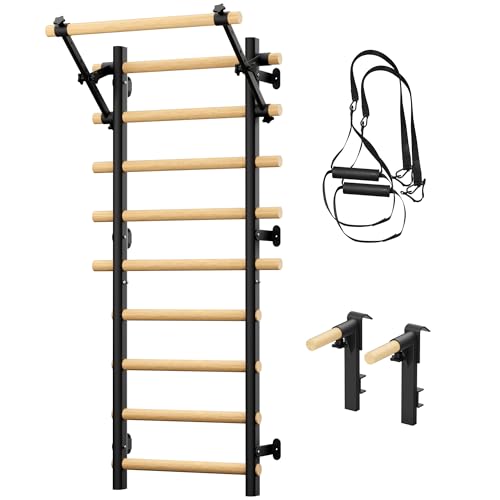
This wall-mounted wooden stall ladder provides a compact, stable platform for pull-ups, resistance bands, and body-weight exercises. Best for athletes or home gym users seeking a sturdy, space-saving training station without floor clutter. The nine solid wood grips offer varied grip positions, and the included dip bars and straps expand exercise options. A key limitation is the 270 lb tested load capacity, which may constrain heavier lifters or dynamic movements on more intense sessions.
ALLY PEAKS Heavy-Duty Pull Up Bar

Designed for doorway use with a thickened steel frame, this pull-up bar supports up to 440 pounds and includes foam-coated handles for a comfortable, anti-slip grip. It’s best for buyers who want a multi-function doorway solution that can support pull-ups, push-ups, dips, and hanging crunches. The upgraded silicone protection pads help safeguard door frames during exercise, reducing frame marks. A potential limitation is dependence on door frame construction; users with non-standard or fragile frames should verify compatibility before use.
Fitarc Wall Mount Pull Up Bar

This joist-mounted pull-up bar emphasizes compatibility with common wall studs and solid installation. It’s best for users who want dependable upper-body training without ceiling mounting. The product notes highlight that it must be securely mounted to solid wood studs or equivalent, not drywall-only installations. The main caution is ensuring proper stud spacing (32″ to 36″) to maintain safety during intense workouts.
Fitarc Joist Mount Pull Up Bar
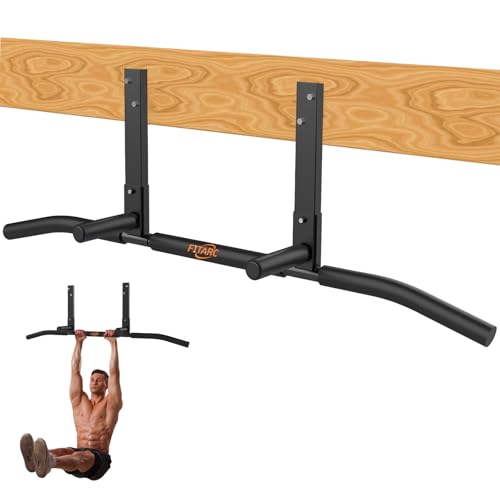
This ceiling- or joist-mounted unit adds versatility with a robust, multi-grip design. It’s best for users who want to perform pull-ups with varied grips to target different muscle groups—back, chest, arms, and shoulders. The thicker weight-bearing tube provides greater stability, while the high-density, non-slip foam handles improve grip and comfort. A limitation is that ceiling or joist mounting requires appropriate structural support and careful installation.
VEVOR Wall Mounted Pilates Reformer

The VEVOR wall-mounted reformer offers a maple wood frame and adjustable resistance springs, designed for core strengthening and flexibility work. It’s best for buyers focusing on balance, posture, and controlled stretching as part of a broader routine. The eight resistance levels and adjustable components allow progressive training. A potential drawback is the need for secure wall mounting and space for the reformer’s footprint, which may be a constraint in very small rooms.
Buying Guide: Key Considerations For Wall Mounted Equipment
- Space and mounting surface: Verify wall type, stud layout, and whether a doorframe or ceiling mount is feasible for your space.
- Intended exercises: Choose equipment based on target workouts—pull-ups, dips, resistance training, or Pilates-style reformer work.
- Weight capacity and safety: Match product load ratings to your strength level and progression plans. Look for reinforced frames and protective pads to protect walls and floors.
- Installation requirements: Some items require joist mounting or combination hardware; ensure you have the correct tools and skills or professional installation options.
- Versatility and expandability: Consider whether a single device covers multiple routines or if you’ll need additional accessories or mounts over time.
FAQ
- Q: Are wall-mounted systems suitable for renters? A: Yes, if the mounting can be done without damaging walls and complies with rental agreement rules. Look for devices with wall-protective pads and removable fixtures.
- Q: What safety checks should I perform before use? A: Confirm secure mounting, inspect for cracks or wobble, and ensure hardware is tightened to spec before exercising.
- Q: Can these units support heavy lifts? A: Most wall-mounted units have specific load ratings; exceedances can cause failure. Always adhere to the manufacturer’s limits.
- Q: Do these items require professional installation? A: Some do, especially joist or wall stud mounting. Others may be simpler doorway or ceiling setups; consult installation guides.
- Q: Which option is best for full-body workouts at home? A: The Cofiyard Swedish Ladder and the Fitarc Joist Mount offer multiple grip positions and attachments for compound movements, while the VEVOR Pilates reformer adds core-focused work.
- Q: How should I maintain wall-mounted equipment? A: Regularly check mounting hardware, clean grips, and inspect protective padding for wear. Replace missing or damaged parts promptly.