When you need hot water right at the sink, an undersink heater is the best solution. This guide highlights reliable 110V–120V options that fit under cabinets, RVs, or food trucks. Below, you’ll find concise recommendations for five models that balance fast recovery, efficiency, and space savings. Each entry explains who it’s best for, why it’s chosen, and a practical caveat to consider.
| Product | Brand | Capacity/Type | Why It Stands Out |
|---|---|---|---|
| BISELONG 2.5 Gallon Under Sink | BISELONG | 2.5 Gallon Tank | Fast heat-up; compact; good for small kitchens and RVs |
| BOSCH Tronic 3000 ES2.5 | Bosch | 2.5 Gallon Tank | Premium glass-lined construction; easy installation |
| ThermoMate ES250 | ThermoMate | 2.5 Gallon Tank | High insulation; durable enamel lining; adjustable temp |
| Kweetle 2.5 Gallon | Kweetle | 2.5 Gallon Tank | Digital display; reliable 6-minute heat; solid 1/2″ NPT |
| DOYXC 3000W Tankless Under Sink | DOYXC | Tankless, 3000W | On-demand hot water; compact; LED display |
BISELONG 2.5 Gallon Under Sink Tank Heating Solution
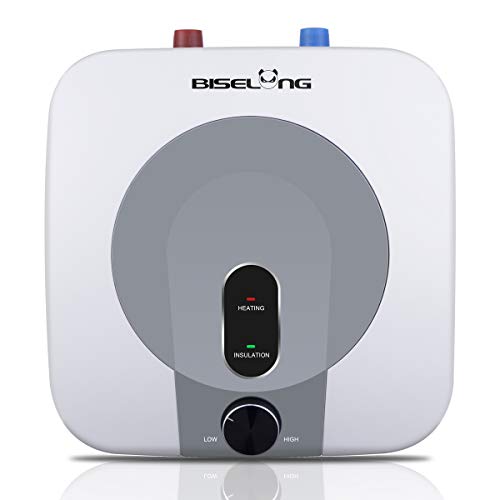
Best for: small homes, apartments, or food trucks needing a compact hot water source near the sink. The 0.04-inch stainless steel tank minimizes rust and leaks, while the 1500W L-shaped element speeds heating. It can deliver hot water to two sinks in 8–15 minutes.
Why chosen: The combination of a robust stainless steel tank, rapid heat recovery, and compact footprint makes it a reliable option where space is at a premium. The built-in smart chip helps maintain set temperatures with insulation to reduce heat loss.
Practical caveat: The 2.5-gallon capacity may run low during back-to-back hot water draws; plan for modest usage or consider a backup source for high-demand periods.
BOSCH Tronic 3000 ES2.5 Mini-Tank
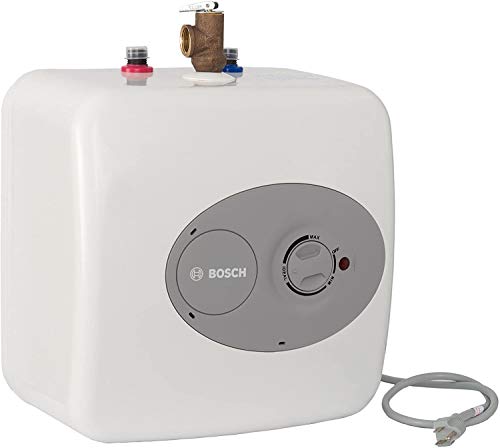
Best for: users seeking premium durability and straightforward installation under the sink. The 2.5-gallon unit is easy to mount on shelves or walls and plugs into a 120V outlet for independent operation.
Why chosen: Bosch’s glass-lined tank supports long life and corrosion resistance. Its compact dimensions fit tight cabinet spaces, and the 98% thermal efficiency helps minimize standby losses.
Practical caveat: The cord length is designed for standalone use; ensure nearby outlet access or plan for a nearby outlet run during installation.
ThermoMate ES250 Mini Tank Water Heater

Best for: users who want adjustable temperature and robust insulation to conserve energy in compact setups like apartments or small offices.
Why chosen: The 2.5-gallon tank combines a 99% thermal efficiency rating with a 3-layer enamel-glass lining to reduce corrosion and leaks. An incoloy heating element offers improved resilience at higher temperatures.
Practical caveat: While efficient, the unit relies on a steady power supply; consider wiring or outlet constraints in older premises to avoid tripping breakers.
Kweetle 2.5 Gallon Under Sink Mini Tank

Best for: kitchens, salons, or RVs needing fast hot water with a clear, readable display. Its 1/2″ NPT connection makes installation easier in standard plumbing setups.
Why chosen: The upgraded 1.0mm inner tank and good insulation deliver quick warm water—often under 6 minutes—and energy efficiency. A digital display simplifies temperature control.
Practical caveat: Designed for low-flow use; avoid using this model for simultaneous multi-tap demands like showers or multiple sinks.
DOYXC Tankless Under Sink 3000W

Best for: users who want on-demand hot water with a compact footprint, suitable for kitchens, RVs, or remote spaces without a traditional tank.
Why chosen: Tankless design eliminates standby heat loss and provides hot water instantly at the point of use. A built-in LED display shows working status for easy monitoring.
Practical caveat: As a tankless unit, output temperature and flow are sensitive to water inlet temperature and flow rate; ensure your usage pattern aligns with the heater’s capabilities.
Buying Guide
Undersink heaters come in tanked and tankless varieties. Your choice depends on space, demand, and installation flexibility. Consider these practical questions when shopping:
What size should I choose?
Most undersink heaters come in 2.5-gallon tanks. If you anticipate multiple simultaneous hot-water uses, a larger model or a tankless unit with higher flow may be better. For low-wait single-sink needs, 2.5 gallons usually suffice.
Tanked vs. Tankless — which is better for my space?
Tanked units are simple, maintain steady hot-water temperatures with a reserve. Tankless units save space and reduce standby losses but depend on flow rate and inlet temperature. Under-sink cabinets vary widely, so measure clearance and outlet access before choosing.
Power and installation considerations
Most options are 110V–120V and plug into a standard outlet, enabling easy installation. Some require dedicated circuits or wall-mounting considerations. Check your electrical panel capacity and available clearance behind the cabinet before purchasing.
Materials and durability to look for
Stainless steel tanks resist corrosion better than basic steel. Glass-lined enamel and high-grade heating elements enhance longevity. Look for features like thermal insulation, protective anodes, and IP ratings for safety around water.
Safety features you should expect
Overheat protection, leakage protection, dry-fire protection, and automatic shutoff are important. An IP rating like IPX4 on a tankless unit indicates splash resistance, while thermal cutoffs prevent accidental burns or scalding.
FAQ
- Do undersink water heaters require professional installation? Most can be installed by a capable DIYer with basic plumbing and electrical know-how, but professional help is advised if you are unsure.
- Will these units heat water for showers? Tanked undersink heaters are typically designed for sinks and may not provide enough flow for a shower. Tankless models vary; check the rated GPM at target temperatures.
- How much space do I need under the sink? Measure width, height, and depth to ensure the unit fits with clearance for connections.
- Can I use these with a well-water supply? Yes, but water quality and mineral content can affect longevity. Consider filtration or periodic maintenance.
- Are these energy efficient? Yes, many units offer high thermal efficiency and insulation to minimize standby losses, with some using smart controls to conserve energy.
- What maintenance is required? Periodic flushing to remove sediment, checking anode rods where applicable, and inspecting connections help extend life.