Use these durable, removable-body models to explore anatomy in a tactile, student-friendly way. Ideal for homeschool, classrooms, and science projects, these kits help learners see how organs, bones, and systems connect. This guide highlights five top options, explaining who each model is best for and why it stands out for hands-on study.
| Product | Best For | Why It Stands Out |
|---|---|---|
| Dan&Darci Human Anatomy Squishy Body Model | Kids ages 4–8 and early learners | 30 removable parts; highly interactive; engaging guide and challenges. |
| EVOTECH SCIENTIFIC 2026 New Human Body Model | Students and classroom demonstrations | 15 detachable pieces with a sturdy oak base; portable and easy assembly. |
| Be Amazing! Toys Interactive Human Body | Young scientists and aspiring doctors | 60 pieces; fully articulated 14″ model; adjustable stand for poses. |
| Science Can Human Body Model | School projects and STEM learners | 2 modes (explanation and quiz); 15+ removable parts with a 26-page guide. |
| National Geographic Human Body Model | Comprehensive anatomy study | 32-piece kit with glow-in-the-dark bones, organs, and muscles. |
Dan&Darci Human Anatomy Squishy Body Model

Best for younger learners who crave tactile exploration. This kit includes 30 removable parts, such as the brain, heart, lungs, ribs, trachea, and intestines, along with a gooey, squishy texture that makes anatomy memorable. The accompanying guide supports at-home or classroom activities. Consider this if you want a highly interactive, hands-on experience that is approachable for early elementary students.
Caution: The tactile texture is very squishy; handle with care to avoid excessive mess in shared spaces.
EVOTECH SCIENTIFIC 2026 New Human Body Model

Best for a classroom teaching model with multiple detachable parts. The 15-piece torso includes the brain, heart, lungs, stomach, liver, and more, all mounted on an attractive oak base. The model is designed for easy assembly and secure fit, making it suitable for demonstrations and student dissections in a structured setting. Choose this for a durable, display-ready teaching aid that travels well between classes.
Caution: The model is detailed; ensure students understand proper handling to prevent parts from detaching during movement.
Be Amazing! Toys Interactive Human Body
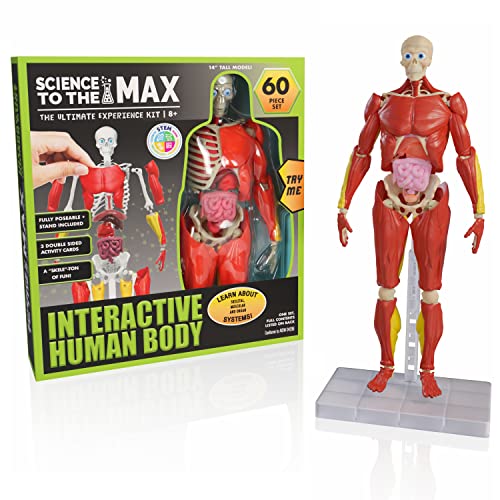
Best for immersive, poseable anatomy play. This 14″ tall model comes with 60 pieces, including bones, muscles, and organs, plus an adjustable stand. Its fully articulated design supports dynamic demonstrations and student exploration of movement and function. Opt for this if you want a highly interactive, “move-and-learn” experience that appeals to budding medical enthusiasts.
Caution: The large number of parts requires careful organization to avoid loss during class activities.
National Geographic Human Body Model
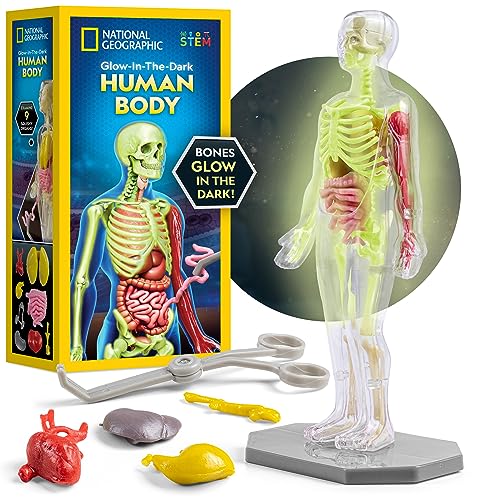
Best for a complete anatomy study with glow-in-the-dark features. This 32-piece kit includes bones, organs, and muscles with a nine-inch shell and display stand. The glow-in-the-dark bones add an engaging visual element, helping learners identify skeletal structure in dim lighting or during demonstrations. Choose this for a visually compelling, comprehensive overview that supports science fair projects and in-depth study.
Caution: The glow feature is primarily for effect; rely on the included materials for detailed anatomical study and labeling.
Buying Guide
Key purchase considerations help ensure you pick a model that fits your learning goals and environment.
- Age and skill level: For younger kids, choose squishy or magnet-based models with clear, removable parts. For older students, opt for more complex, fully articulated models with a higher number of parts.
- Number of parts: More parts offer deeper exploration, but can require organized storage and supervision to prevent misplacement.
- Durability and materials: Look for non-toxic, easy-to-clean materials and sturdy bases for classroom use.
- Education aids: Guides, quizzes, or illustrated books enhance learning and help teachers structure lessons.
- Display and portability: If you move models between classrooms or use them in demonstrations, choose portable, well-constructed designs.
- Visual features: Glow-in-the-dark bones or color-coded organs can aid in quick identification and engagement.
How to choose the right model
- For daily classroom use, select a model with secure detachable parts and a stable base.
- For homeschooling, prioritize models with engaging guides and a manageable number of parts.
- If demonstration quality is essential, prefer models with a display-friendly design and clear labeling.
Maintenance and storage tips
- Keep parts in labeled containers or bags to prevent loss.
- Wipe surfaces with a mild, non-abrasive cleaner after use.
- Store flat on a shelf or in a dedicated box to avoid stress on joints.
FAQs
- What age group are these models best suited for? Most are designed for ages 6–12 and up, with simpler kits suitable for younger children and more complex sets for teens and adults.
- Are the parts removable and easy to reassemble? Yes, many models feature detachable parts that click into place for repeated assemblies.
- Do these kits include educational guides? Several come with illustrated books or cards to reinforce anatomy concepts.
- Can the models be used for demonstrations? Many are designed for classroom demonstrations and easy handling during lessons.
- Is glow-in-the-dark bone anatomy useful for learning? It adds visual interest and can aid early identification of bone structures.
- Are these models safe for curious children? Look for non-toxic materials and choking-avoidant designs, especially for younger kids.