Looking for a compact filtration solution that won’t crowd a nano or pico tank? This guide highlights five slim, space-saving fish tank filters and related devices ideal for small setups. Each option is chosen for its suitability to tiny habitats, quiet operation, and easy maintenance. Best for beginners, bedroom displays, or desktop setups where space is at a premium. The buying table below helps you compare core features at a glance.
| Product | Tank Size Fit | Best For | Key Benefit |
|---|---|---|---|
| NICREW Slim Aquarium Filter | Up to 5 gallons | Nano and pico tanks | Slim design, adjustable flow |
| Marina S10 Power Filter | Up to 10 gallons | Small community tanks | Self-priming, easy maintenance |
| AQUANEAT 1 Gallon Betta Tank | 1 gallon | Desk bettas and tiny setups | LED lighting and hidden filtration |
| LAQUAL 3 Gallon Ultra Clear Tank | 3 gallons | Betta and nano setups | Ultra-clear low-iron glass |
| Petta Slim Aquarium Filter | 3-10 gallons | Ultra-thin spaces | Quiet operation, water oxygenation |
Notes: All products listed are slim or thin by design, targeting small aquariums. The table provides a quick at-a-glance comparison; for full details, read each product section below.
NICREW Slim Aquarium Filter For Nano Tanks

Features: Slim and compact design, hardly noticeable on the tank, great choice for nano and pico tanks up to 5 gallons. Quiet operation with adjustable flow, doesn’t overly disturb the fauna, perfect for shrimp or betta. Patent pending priming system, auto restart if power is interrupted and restored.
Best for: Small tanks where space is scarce and users want near-invisible filtration. Ideal for shrimp, nano fish, and betta setups that require gentle water movement.
Why selected: Combines a tiny footprint with essential filtration and a reliable priming system, reducing maintenance in tight spaces.
Caution: As a small HOB filter, ensure intake sponge is kept clean to prevent clogging and maintain steady flow.
Marina S10 Power Filter For Up To 10 Gallons
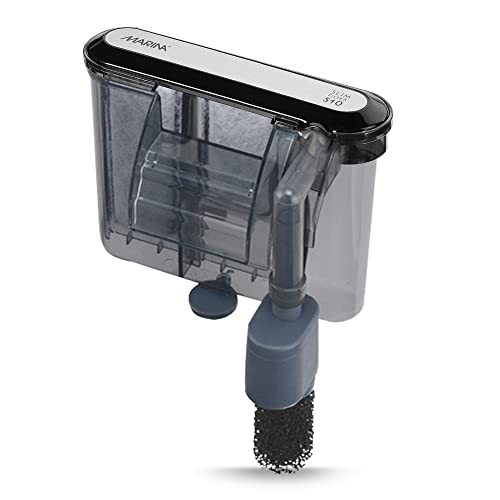
Features: Power filter for aquariums up to 10 gallons, self priming, easy to maintain.
Best for: Tiny community tanks or mixed species aquariums around the 5–10 gallon range that need straightforward, reliable filtration.
Why selected: Simple self-priming design reduces setup effort and maintenance in compact spaces.
Caution: Slightly larger than ultra-tiny tanks; ensure your aquarium dimensions accommodate the filter’s footprint.
AQUANEAT 1 Gallon Betta Tank Kit

Features: Compact 1 gallon tank; customizable 3-color LED hood with 10 brightness levels; includes a self-cleaning filtration system for easy maintenance.
Best for: Beginners or kids who want a small, self-contained display with built-in lighting.
Why selected: Combines a small volume with a simple lighting and filtration setup, making it beginner-friendly in limited spaces.
Caution: One-gallon volume limits stock; avoid overcrowding and frequent water changes to maintain water quality.
LAQUAL 3 Gallon Ultra Clear Rimless Tank

Features: Ultra clear low iron glass, 5 mm thick, rimless design; includes fish net and cleaning tools for easy setup and maintenance.
Best for: Aesthetically focused nano setups where visibility matters and a clean, minimal look is desired.
Why selected: The rimless, ultra-clear glass helps showcase aquatic life while keeping a compact footprint.
Caution: The 3-gallon size still requires regular maintenance; avoid heavy filtration demand beyond what a small setup can handle.
Petta Slim Aquarium Filter For 3–10 Gallons

Features: Ultra-thin design for compact spaces; quiet operation; water flows downward to increase oxygenation via a waterfall effect.
Best for: Narrow tanks and desktops where a slim, quiet filter is preferred, with benefits for fish and shrimp requiring better aeration.
Why selected: The combination of slender profile and oxygenation function suits small, densely planted or bioload-conscious tanks.
Caution: Works best in tanks within the 3–10 gallon range; verify compatibility with your exact tank model.
Buying Guide
What to consider when choosing a slim filter
- Tank compatibility: Match filter capacity to your tank size (gallons) and bioload. Smaller tanks often do well with quiet, low-flow options to avoid stressing inhabitants.
- Filtration type: Mechanical and biological filtration is essential. Some slim units also offer built-in biological media; others rely on external media changes.
- Noise and vibration: Quiet operation matters for bedrooms and offices. Look for products marketed as silent or with adjustable flow to reduce disturbance.
- Installation footprint: Measure height and width of the filter relative to the tank’s rim to ensure a proper fit in tight spaces.
- Maintenance: Consider how easy it is to clean, replace cartridges, and prime after power outages. Self-priming features save time and effort.
Power, flow, and performance considerations
- Flow rate: For tiny tanks, lower GPH often provides gentle circulation. High flow in a 1–2 gallon tank can stress fish and shrimp.
- Prime and restart: A prime-ready filter that restarts after a power interruption reduces risks of cloudy water or stagnation.
- Maintenance schedule: Bulk-pack cartridges or replacement parts should be readily available and affordable for ongoing upkeep.
Special needs and pet types
- Bettas and shrimp: Prefer low-to-moderate flow to prevent stress and siphon-like suction on delicate shrimp or fins.
- Decor and tank size: Rimless or low-iron glass tanks benefit from transparent filtration that doesn’t distract from scenery.
FAQ
- What size tank is best for slim filters? Best results come from tanks in the 1–10 gallon range; follow each product’s recommended maximum tank size.
- Are slim filters good for beginners? Yes, many slim units are designed for easy priming, low maintenance, and simple installation, which suits beginners well.
- Do slim filters affect water flow too much for small fish? Choose models with adjustable flow to ensure gentle circulation for delicate species.
- Can slim filters handle live plants? Yes, but ensure the flow doesn’t uproot or damage plant roots; moderate flow is usually ideal.
- How often should I replace filter media in slim units? Follow the manufacturer’s guidelines, typically every few weeks to months depending on bioload and feeder fish counts.