Looking for a shooting stick or trekking pole that blends lightweight ease with rugged reliability? This guide highlights five versatile options well suited for hikers, backpackers, and hunters who need stability on uneven terrain. Each pick targets a specific use case—whether you prioritize ultra-light weight, shooting support, or quick-lock adjustments. Read on to compare best-for scenarios, pros, and potential trade-offs so you can choose confidently.
| Product | Brand | Best For |
|---|---|---|
| Cascade Mountain Tech Trekking Pole – Carbon Fiber | Cascade Mountain Tech | Ultralight trekking and fast packing |
| UUQ M4 Carbon Fiber Monopod Shooting Stick | UUQ | Shooting rest while trekking and in blinds |
| G2 GO2GETHRE Multipurpose Telescopic Poles | G2 GO2GETHER | Multipurpose use: trekking and camera or shooting support |
| Cascade Mountain Tech Trekking Poles (Aluminum) | Cascade Mountain Tech | Durable, adjustable poles for varied terrain |
| TREKOLOGY Trek-Z Cork Grip Poles (Set of 2) | TREKOLOGY | Reliable folding hiking poles for travel and trekking |
Cascade Mountain Tech Trekking Pole – Carbon Fiber
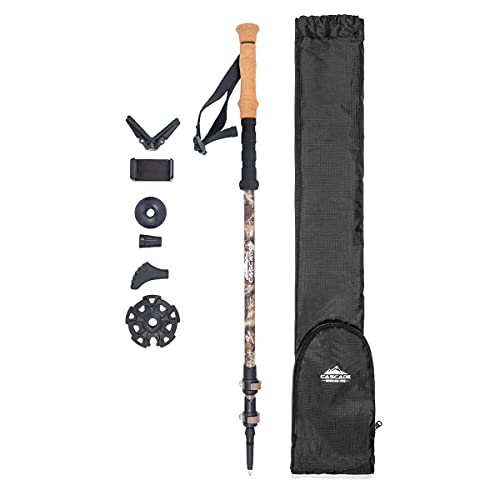
The Cascade Mountain Tech carbon fiber trekking pole is designed for ultralight packing and quick height adjustment. It weighs about 8.6 oz in a single pole and features a quick lock mechanism to extend from 28.5″ to 60″. Best for hikers who value minimal weight and straightforward setup, this pole is ideal for speed-focused day hikers and backpackers who want reliable performance without added bulk. Caution: single-pole configurations require careful balance; consider pairing with a second pole if you need symmetry on rough trails. The carbon fiber build provides stiffness and reduced fatigue over long days on varied terrain.
UUQ M4 Carbon Fiber Monopod Shooting Stick

The UUQ M4 carbon fiber monopod serves as a shooting rest while trekking and in blinds. It offers adjustable height from 21 to 58.5 inches with quick-release leg clips for secure locking. The lightweight design and padded grip enhance comfort during extended outings. Best for hunters who need a stable aiming platform on uneven ground or through brush. Choose this if you want a dedicated shooting rest that remains compact during travel. Caution: designed as a monopod; consider additional support if you require dual-point stability on challenging terrain.
G2 GO2GETHRE Telescopic Trekking Poles

This multipurpose trekking pole emphasizes a strong 6061 aluminum construction with a robust locking system. It includes a shooting yoke and integrated camera holder, making it a versatile option for hikers who also take photos or operate a shooting rest. Best for outdoorsy users who want a single pole to cover trekking, shooting, and camera mounting needs. It’s important to check locks regularly to ensure safety during use. Limitations include the potential for heavier weight compared to carbon options.
Cascade Mountain Tech Trekking Poles (Aluminum)
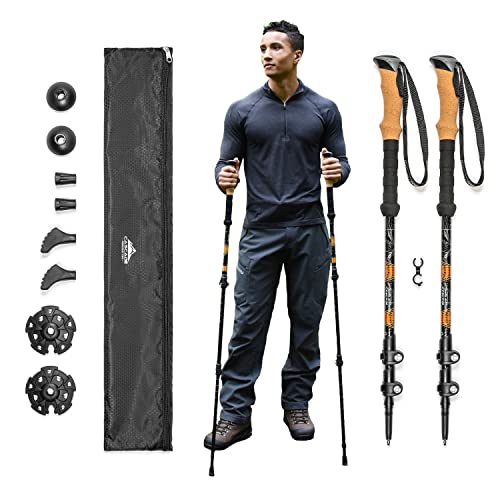
These aluminum trekking poles deliver durability with aircraft-grade 6061 aluminum and a quick-lock mechanism, adjustable from 26″ to 54″. The cork grip plus an extended EVA down grip helps dampen vibrations on uneven surfaces. Best for hikers who need a reliable, comfortable option for longer trips and varied terrain. Caution: heavier than carbon fiber options, which may impact portability for ultralight travelers.
TREKOLOGY Trek-Z Cork Grip Trekking Poles
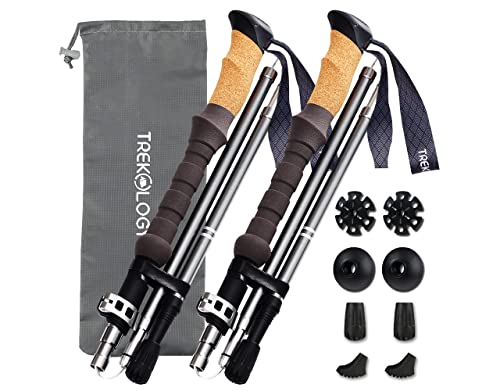
The Trek-Z Trek-Z poles offer a folding, compact design with cork grips and EVA shafts for all-terrain performance. They come as a set of two, with an adjustable height suitable for both men and women. Best for travelers who prioritize packability and a quick setup. Choose this if you want foldable trekking poles that fit compact luggage and provide solid grip in hot or sweaty conditions. Limitation: some users may prefer longer extended reach for very tall hikers.
Buying Guide: Key Purchase Considerations
- Weight vs. durability: Carbon fiber offers lightness and stiffness; aluminum provides ruggedness and often a lower cost. Consider how you value weight in relation to terrain and trip length.
- Height range and locking system: Look for adjustable poles with secure quick-lock or twist-lock mechanisms. Ensure the height range matches your torso length and typical terrain.
- Grip material and comfort: Cork grips reduce sweat and vibration; EVA grips offer padding and warmth. Your climate and glove use can influence this choice.
- Versatility: If you need a pole that also functions as a shooting rest or camera support, prioritize poles with yokes, mounts, or compatible accessories.
- Portability: Folding or collapsible designs are best for travel. Ensure the packed length fits your luggage or pack.
- Durability for hunting and rough trails: For hunting or off-trail work, prioritize locking reliability and a secure foot tip with optional trekking basket compatibility.
FAQ
- What material is best for ultralight trekking?
Carbon fiber poles tend to be lighter and stiffer, ideal for ultralight packing and speed hiking, but they can be pricier. - Are monopod shooting sticks safe on steep trails?
They provide a stable rest, but ensure you use proper technique and maintain balance on uneven ground. - Should I choose cork or EVA grips?
Cork grips are breathable and help dampen vibration; EVA grips offer more padding and warmth in cold weather. - Do I need two poles or is one sufficient?
For most trekking, a pair improves balance; hunters using a monopod rest may prefer one for shooting stability. - How important is locking reliability?
A secure lock prevents height creep and ensures safety on rugged terrain and changing angles. - Can trekking poles support camera gear?
Some models include integrated mounts or yokes; verify compatibility before use.