People seeking effortless greenhouse ventilation will find self-opening window openers to be the most convenient solution. These devices automatically vent or seal windows based on temperature, helping to maintain optimal growing conditions without electricity. This guide highlights five top options, ideal for hobbyists and small-scale growers who prefer solar- or temperature-driven operation. Each product is evaluated for reliability, load capacity, and suitability for common greenhouse sizes. The buyer table below provides a quick snapshot to compare key specs at a glance.
| Product | Brand | Load Capacity | Opening Range | Power |
|---|---|---|---|---|
| XISOCO Greenhouse Window Opener, 2PCS | XISOCO | Up to 15 kg | Up to 15 inches | Solar, dual spring |
| Auto Vent Opener Automatic Greenhouse Window Opener | Yziixi | Up to 7 kg | Up to 18 inches | Solar, single/dual spring options |
| Buycitky Greenhouse Vent Automatic Opener | Buycitky | Up to 7 kg | Up to 18 inches | Solar, galvanized steel |
| CHANGE MOORE Auto Vent Opener (1 Pack) | CHANGE MOORE | Up to 15 kg | Up to 18 inches | Gas-filled cylinder, no batteries |
| UYGALAXY Greenhouse Automatic Window Opener Kit | UYGALAXY | Up to 7 kg | Up to 17.72 inches | Solar, dual spring |
XISOCO Greenhouse Window Opener, 2PCS
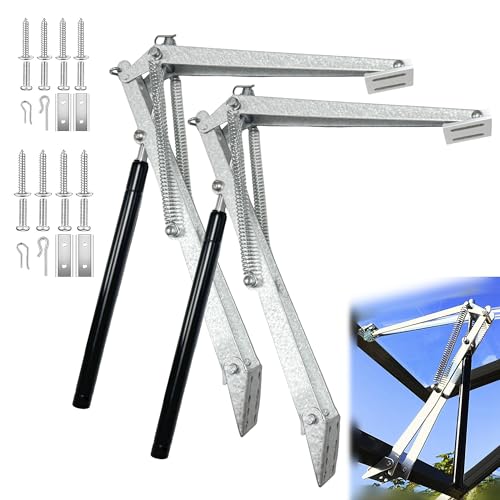
The XISOCO pair uses galvanized steel for corrosion resistance and a dual-spring design that supports up to 30 lbs (15 kg) total thrust. It operates based on solar heat, activating between 15°C and 25°C. Best for growers who want a robust, weather-tolerant opener that can handle larger vents in moderate climates. Caution: it cannot operate above 60°C (140°F), so extremely hot days may require manual assistance or shielding.
Auto Vent Opener Automatic Greenhouse Window Opener
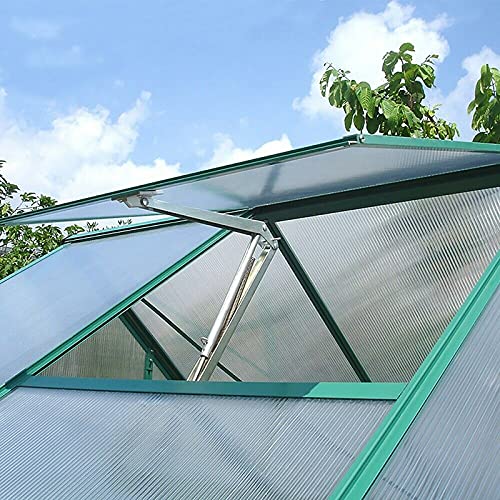
The Yziixi unit emphasizes a premium aluminum and stainless-steel build, resisting rust in humid environments. It supports up to 15 lbs (7 kg) and opens windows up to 18 inches (45 cm). It is solar-powered and activates when temperatures exceed 77°F (25°C) and closes as it cools. Best for mid-sized greenhouses needing a maintenance-free, corrosion-resistant opener. Limitation: installation may require precise mounting to achieve the full 18-inch extension.
Buycitky Greenhouse Vent Automatic Opener

The Buycitky model offers 15 lbs of lifting capacity with a no-electricity design. It uses solar heat sensitivity to vent at 77°F and close at 59°F, and benefits from heavy-duty galvanized steel pistons with anti-rust coating. Best for small to medium greenhouses seeking a simple, durable, budget-conscious option. Caution: the venting range may vary with window weight and mounting position, potentially reducing opening distance on heavier windows.
CHANGE MOORE Auto Vent Opener (1 Pack)
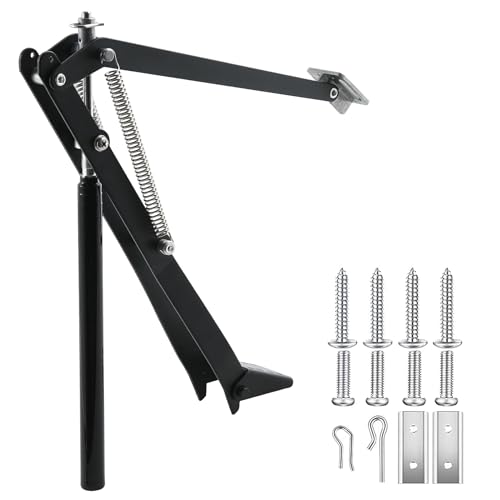
CHANGE MOORE uses a gas-filled cylinder and a spring mechanism to regulate venting in a wide range of temperatures (15°C to 25°C; up to 30°C for full opening). It can vent up to 18 inches and does not require batteries. It is best for growers who want a reliable, battery-free solution with clear temperature thresholds. Limitation: some users report that the full opening depends on proper adjustment and load calibration; misadjustment can reduce vent travel.
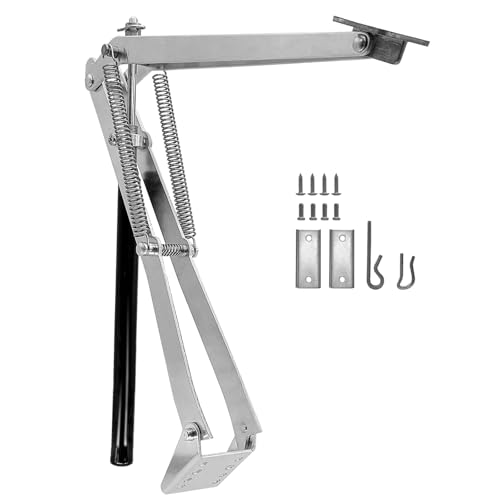
UYGALAXY Greenhouse Automatic Window Opener Kit
The UYGALAXY kit uses aluminum alloy components with a double spring design for stronger thrust, supporting up to 7 kg and opening to about 45 cm (17.72 inches). It is solar-activated, triggering around 77°F and closing near 59°F. Best for lighter venting in small to mid-sized greenhouses where a robust yet compact opener is preferred. Limitation: the maximum opening is less than some larger ventilators, which could limit airflow in very warm days.
Buying Guide
What should you consider when choosing a self-opening greenhouse window opener?
- Vent weight and opening travel: Match the device’s load capacity to your vent panel’s weight and desired opening distance. Heavier vents require higher thrust and sturdier construction.
- Temperature trigger range: Ensure the activation temperature aligns with your climate and crop needs. Some openers trigger around 25°C (77°F) and close near 15°C (59°F).
- Power source: Most options are solar-driven and battery-free, which suits off-grid or low-maintenance setups. Consider a unit with a backup or easy manual adjustment if you’re in extreme conditions.
- Material and corrosion resistance: Aluminum and galvanized steel perform well in humid greenhouse environments. Stainless steel components add extra resilience but may cost more.
- Installation and compatibility: Check vent size, mounting surface, and window style. Some models perform best with parallel mounting on the roof vent; others fit vertical vents.
- Durability and maintenance: Look for rust-resistant pistons and springs. Periodic inspection of springs and seals helps maintain consistent performance.
How to choose the right model for your setup
For larger vents and heavier panels, choose a dual-spring opener with higher load capacity. For simpler, smaller greenhouses, a single-spring or lighter aluminum model can provide adequate ventilation with fewer installation constraints. If reliability in humid conditions is a priority, favor units with corrosion-resistant materials and robust pistons.
Installation tips
Follow manufacturer mounting guidelines, ensure level alignment, and verify that the vent can fully open without obstruction. Calibrate springs or screws to achieve the desired opening range and ensure consistent operation across temperature changes.
FAQ
- Do these openers require electricity? No. Most operate via solar heat sensitivity or gas-filled cylinders and do not rely on external power.
- What vent weight can these handles? Many units support 7–15 lbs (3.5–7 kg) per vent, with some dual-spring designs offering higher capacity up to 15 kg.
- Can I use these on any greenhouse? They fit a range of vent sizes, but verify opening range and mounting compatibility with your vent dimensions and roof angle.
- Will extreme heat affect operation? Some models cap operation at 60°C (140°F) or higher; unusual heat spikes may require manual assistance.
- Are there maintenance requirements? Regularly check springs, pistons, and seals for wear, and clean aluminum or steel components to prevent corrosion.
- Are these weatherproof? Most are designed to resist humidity and rust, but confirm material specs for coastal or highly humid environments.