Find the right 100GB or higher-capacity memory card for your device with confidence. This guide highlights five solid 100GB+ options and explains who each card is best for, plus practical buying considerations. Ideal buyers include outdoor photographers, drone pilots, dash cam users, and professionals who need reliable, fast storage for high-resolution footage.
Summary table of selected products:
- Funxwe 100GB TF Card with SD Adapter — Best for versatility and rugged environments
- SP Silicon Power 128GB Micro SD Card U3 — Best for mobile devices and action cams
- SanDisk Extreme PRO 128GB SDXC UHS-I — Best for 4K and high-speed work in pro setups
- Gigastone 128GB Micro SD Card Dual Pack — Best value for multi-device use
- SanDisk Ultra 128GB SDXC UHS-I — Best budget-friendly option with solid performance
Funxwe 100GB TF Card With SD Adapter

Type U3 Class 10 and V30, UHS-I interface deliver read speeds up to 90 MB/s and write speeds up to 50 MB/s. This card is designed for smooth continuous shooting and full HD to 4K video recording. It is waterproof, shockproof, multi-temperature rated (-25° to 85°C), X-ray resistant, anti-static, and capable of withstanding 500G acceleration. Best for: security cameras, drones, action cameras, and devices requiring fast, reliable data transfer in challenging conditions.
Limitations: For best performance, use with devices that support UHS-I U3 and V30; older devices may not reach peak speeds. The included SD adapter adds convenience when devices use standard SD interfaces.
SP Silicon Power 128GB Micro SD Card U3 SDXC

High compatibility across cameras, drones, smartphones, tablet PCs, and action cameras. This card is notable for broad device support, making it a versatile choice for users with multiple gadgets. It is U3 rated for reliable 4K and high-definition video capture. Best for: travelers and content creators who swap cards between different devices.
Limitations: Some devices require system updates or formatting adjustments to achieve optimum performance. Not compatible with Nintendo Switch for full game storage in certain contexts, per product notes.
SANDISK 128GB Extreme PRO SDXC UHS-I Card
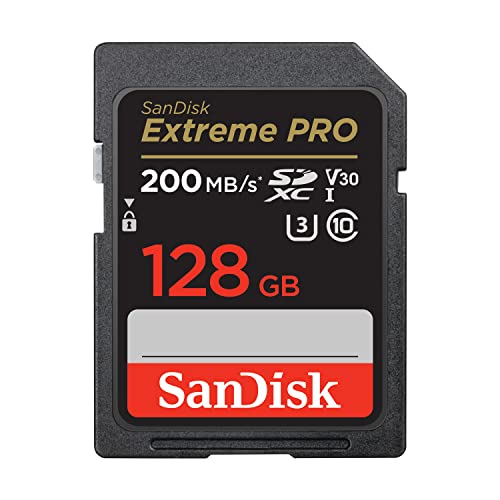
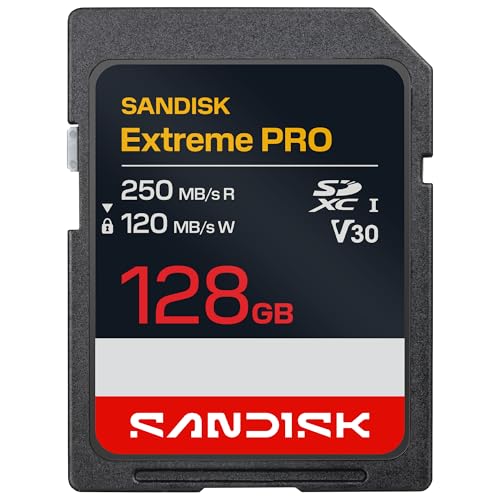
Capable of read speeds up to 250 MB/s and write speeds up to 170 MB/s under ideal conditions, with 4K UHD and high-speed capture in mind. The card is designed for professionals who need fast offloads and reliable sustained performance. Best for: 4K video shooters, high-frame-rate photographers, and editors who require quick data transfer.
Limitations: Real-world speeds vary by host device and formatting. Requires compatible hardware to reach the fastest rates documented.
Gigastone 128GB Micro SD Card 2-Pack

A 2-pack option offering 128GB microSDXC cards with A1 performance and UHS-I class 10, rated up to 95 MB/s read and 40 MB/s write. The card is waterproof, shockproof, temperature-proof, and X-ray proof. Best for: dash cams, security cameras, drones, and action cameras where multiple cards are beneficial.
Limitations: The packaging notes formatting requirements for older devices; users may need to reformat for certain cameras or dash cams before use.
SanDisk 128GB Ultra SDXC UHS-I
Budget-friendly option offering solid performance with up to 120 MB/s transfer speeds. Suitable for everyday photography, Full HD video recording, and casual 4K workloads where cost efficiency is a priority. Best for: hobbyists and those upgrading from smaller memory cards.
Limitations: Not designed for the highest-end 4K workloads or professional studio work where maximum sustained speeds are critical.
Buying Guide
What capacity and format should you choose?
Capacity matters when you shoot long sessions or 4K footage. For 100GB, consider your device’s maximum support and whether you need microSDXC or standard SD. Micro SD cards are common in smartphones, action cameras, and drones, while SDXC cards fit many cameras and card readers. If you require very long recording times, opt for 128GB or larger to reduce swapping.
Which speed class is essential?
Look for U3 or V30 for 4K or sustained 1080p recording. A1 or A2 ratings help with app performance on smart devices. Higher read/write speeds reduce buffering and improve offload times from cameras and drones.
Durability and reliability considerations
Waterproof, shockproof, temperature-tolerant, and X-ray proof features extend card life in challenging environments—outdoor shoots, travel, and extreme weather. If you frequently expose cards to harsh conditions, prioritize ruggedized options like those with broad environmental ratings.
Compatibility and formatting notes
Some devices require formatting for optimal performance. Ensure your device supports microSDXC or SDXC, and check whether the vehicle or drone requires FAT32 vs exFAT formatting. Firmware or system updates on certain consoles or cameras can affect compatibility.
One card versus two-pack options
Two-pack cards offer value and redundancy for critical shoots. They are convenient for professionals who need spare cards for lengthy sessions or backups during travel.
Frequently Asked Questions
- What does U3 and V30 mean? They indicate minimum sustainable write speeds suitable for 4K video and high-bitrate recording.
- Is bigger always better? Not always. Choose capacity based on your typical file sizes and how often you can offload data. If you shoot long sessions, 128GB or larger can reduce card swaps.
- Do all devices support microSDXC cards? Most modern devices do, but some older cameras or readers may require formatting or adapters.
- Can I reuse old SD cards for 4K video? If the card is U3/V30 rated and the device supports it, yes. Otherwise, performance may lag or cause recording interruptions.
- Do I need an adapter? If you use microSD cards in devices with full-size SD slots, an adapter is needed. Many cards include adapters in the package.
- How should I format new cards? Use the device’s recommended format (usually exFAT for higher capacities) to ensure compatibility and speed.