Direct answer: dry rock is a smart choice for saltwater aquariums when you want a clean, pest-free, and highly porous base for biological filtration and attractive aquascapes. This article highlights five top dry rock options and explains who each is best for, so you can pick the most suitable for your reef or mixed-species tank. Ideal buyers include beginner hobbyists seeking easy setup, experienced aquarists planning complex scapes, and coral enthusiasts prioritizing stable biological filtration.
The following quick-reference table summarizes the five highlighted products, including what each is best for and a note on any key considerations.
| Product | Best For | Key Consideration |
|---|---|---|
| YZHZOM Dry Base Rock for Aquarium | Easy, pest-free base for new tanks | Very porous; includes mix of shapes; 7 lb |
| CaribSea Life Rock Base Rock | Large, natural-looking reef foundations | 40 lb; aragonite; good for rockwork bases |
| CaribSea Aquatics Life Rock Display Box | Compact setups or frag tanks | 20 lb; porous; natural look |
| CaribSea LifeRock Arches for Aquariums | Creative caves and arches | Porous aragonite; sculpture-friendly |
| Two Little Fishies STAX | Layered aquascaping structures | Flat, porous oolitic limestone; versatile |
YZHZOM Dry Base Rock for Aquarium

What it is: a dry rock option mined from the ground, designed to be pest-free and easy to cure in a new tank. The mix includes multiple shapes with a notable white reef rock look and sizes from small to medium, aimed at DIY aquascapes. It is marketed as highly porous, offering extensive surface area for beneficial bacteria to colonize, which supports natural biological filtration and stable water conditions.
Best for: buyers starting a new saltwater setup who want a safe, hitchhiker-free rock base that can be stacked into custom formations. Best for those who value porous surfaces for rapid biological balance and a calm, reef-like aesthetic without needing curing from ocean rock.
Caution: as with any dry rock, a thorough initial rinse and a slow acclimation period to avoid altering water parameters is recommended. Porosity means texture is rough in places; wear protective gloves during handling if desired.
CaribSea Life Rock Base Rock

What it is: a natural aragonite rock base designed to mimic real reef rock, providing a sturdy foundation for marine and reef aquariums. It is easy to assemble for various configurations and offers porous surfaces suitable for coral attachment and biological filtration.
Best for: hobbyists building larger or more elaborate reef structures who want a substantial base rock that supports coral frags and creates a natural appearance. It is particularly helpful when you want a durable base with good water chemistry replication from aragonite.
Caution: large mass may require careful lifting and staged placement to prevent stress on aquascaping structures. Ensure tank dimensions can accommodate the 40 lb package if purchasing in bulk.
CaribSea Aquatics Life Rock Display Box
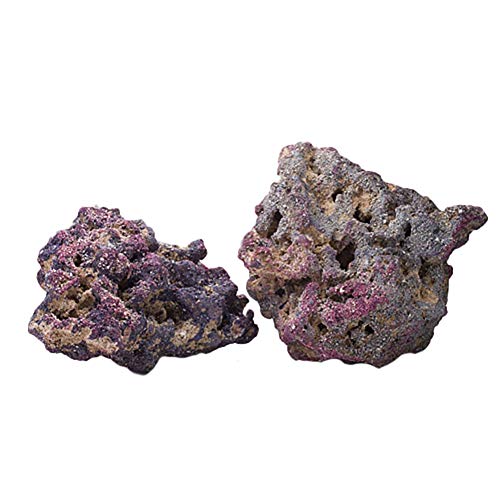
What it is: a 20 lb display-style rock box with Life Rock, designed for aquariums in need of natural-looking rock formations with exposed surfaces for bioload growth. The rock’s porosity aids natural filtration and provides secure mounting points for corals or frag plugs.
Best for: smaller to mid-sized reef tanks, frag tanks, or educational displays where a natural look and straightforward placement are priorities. It’s a good fit when you want to stage a visually striking yet biologically active base rock setup.
Caution: depending on tank size, 20 lb may require multiple units for a full scape. Plan the layout to maximize surface area while maintaining structural stability.
CaribSea LifeRock Arches for Aquariums
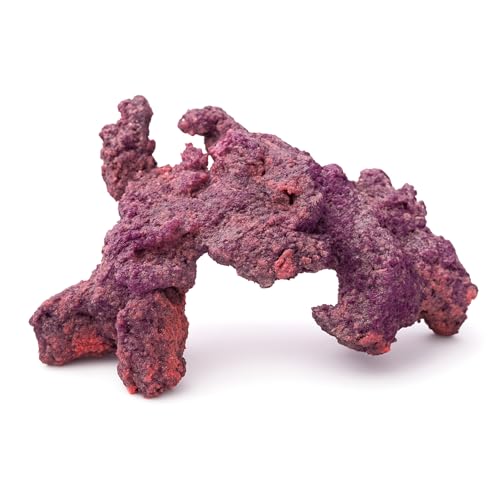
What it is: a set of arched rock pieces designed to create natural caves, arches, and tunnels within a reef or mixed tank. Made from porous aragonite, these rocks provide attachment points for coral frags and support biological filtration through their textured surfaces.
Best for: aquarists seeking dynamic focal points and interactive structures that encourage natural behavior in fish and invertebrates, as well as places for corals to attach securely. Choose this if you want dramatic, yet functional, aquascapes.
Caution: arches can complicate cleaning or maintenance in smaller tanks; ensure ample space for water flow and coral placement around the arches.
Two Little Fishies STAX by 5 lb

What it is: flat, porous oolitic limestone designed for layered aquascapes, suitable for both marine and freshwater tanks. Being 100% natural and sustainably collected, STAX provides a minimalist yet versatile base for building layered formations and ridges.
Best for: users who want a modular approach to rockwork that can be stacked to create multi-level landscapes, caves, or terraced structures. It’s especially helpful for experiments with height variation while maintaining a natural look.
Caution: flat shapes may require careful stacking to prevent shifting in larger displays; use gentle anchoring methods if needed in active tanks.
Buying Guide
What to consider when choosing dry rock
- Porosity and surface area: Higher porosity supports more beneficial bacteria and coral frag attachment, which helps stabilize water chemistry.
- Weight and tank size: Larger rocks or rock boxes require more space and careful handling. Match rock weight to the tank’s dimensions and capacity.
- Rock shape and layout: Mixed shapes offer flexibility for creative aquascaping and stable structures. Arches, shelves, and base rocks each serve different aesthetic and functional goals.
- Material composition: Aragonite-based rocks provide calcium carbonate buffering and natural look in reef environments. Check if the product is labeled as aragonite or similar reef-grade material.
- Cleaning and conditioning: Dry rocks are hitchhiker-free, but they still benefit from a thorough rinse and a curing protocol tailored to your tank to speed up beneficial bacteria development.
- Tank compatibility: Consider your reef plan, including coral frag placements, tunnel spaces, and filter media compatibility with your equipment.
Installation and maintenance tips
- Plan the layout before placing rocks in the tank to minimize rearrangements later, which can disrupt beneficial biofilms.
- Rinse rocks well in dechlorinated water to remove dust and sediments. Avoid soap or cleaners that could leave residues.
- Place rockwork to promote adequate water flow around all surfaces, which aids filtration and coral health.
- Introduce life gradually: after initial setup, monitor ammonia, nitrite, and nitrate levels, and add corals and organisms only as stability is established.
- Periodically inspect rock edges for any cracking or movement, especially in tanks with active fish or strong water currents.
FAQ
- What is the main difference between dry rock and live rock?
Dry rock is inert and pest-free, requiring curing in the aquarium to establish beneficial bacteria, while live rock contains established bacteria and organisms from the start. - Is dry rock suitable for both freshwater and saltwater tanks?
Dry rock designed for reef or marine environments is typically best for saltwater or brackish setups; some porous limestone options can be used in freshwater, but check product guidance. - How long does curing take for dry rock?
Curing time varies by method, tank conditions, and bioload, but expect several weeks for sufficient bacterial development and parameter stabilization. - Can I stack dry rock to create arches and caves?
Yes. Use varied shapes and stable configurations to prevent movement and maintain water flow around the structures. - Do I need to quarantine rock before adding to my tank?
Quarantine is less common for dry rock, but rinsing and a careful inspection for any remaining debris helps ensure a clean start for the aquarium.