If you’re looking to fill gaps, seal cracks, or add buoyancy with polyurethane foam, you need reliable injection equipment and kits. This guide highlights five suitable options, spanning marine flotation foam kits, concrete crack injection systems, and a versatile spray gun. Each pick targets different project types—marine applications, home foundations, and general insulation—so you can choose based on your job size, preferred density, and handling requirements. The following summary helps compare the top five for quick buying decisions.
| Product | Density | Best For | |
|---|---|---|---|
| 2 Quart Kit Marine Flotation Foam (Oycevila) | 2 lb | Boat flotation and fence gap filling | Excellent flotation support; good insulation properties |
| 10′ Fast Set Concrete Foundation Crack Repair Kit (Applied Technologies) | Not specified | Foundation crack repair and waterproofing | Long-lasting waterproof protection; DIY friendly |
| Fiberglass Supply Depot 6 Lb. Density Flotation Foam (1 Gallon) | 6 lb | Boats, docks, and buoyant void filling | Higher density for stronger buoyancy |
| Fiberglass Supply Depot 4 Lb. Density (Quart Kit) | 4 lb | Small to medium buoyancy and insulation projects | Compact kit; good for lighter applications |
| Polyurethane Foam Spray Gun AB 1:1 (Adoration) | Variable (system-based) | Spray insulation and coating work | Transforms injection pump into spray system; versatile |
2 Quart Kit Marine Flotation Foam With Gloves

The 2 Quart Kit from Oycevila supplies a two-component polyurethane pour foam designed for marine buoyancy and insulation. The kit’s closed-cell structure helps trap air, contributing to flotation for boats, posts, and related structures. This option is best for small to mid-size projects where flotation stability and lightweight handling matter. The foam also offers insulation benefits for fish boxes or marine refrigeration units. A practical limitation is that this lower-density foam may expand less aggressively than heavier formulations, so plan cavity filling accordingly.
10′ Fast Set Concrete Foundation Crack Repair Kit-Hydra Stop 300 Injection System

This Hydra Stop 300 kit targets foundation cracks, offering a polyurethane foam-based concrete crack sealer. It provides a reliable DIY solution to fill cracks and seal gaps, aiming to prevent water entry and basement moisture issues. Best for homeowners seeking long-lasting waterproof protection without hiring professionals. A potential limitation is that performance depends on proper crack preparation and environmental conditions; users should follow kit instructions closely to avoid incomplete seals.
Fiberglass Supply Depot 6 Lb. Density Expanding Pour Foam (1 Gallon Kit)

This 6 lb density flotation foam kit provides substantial buoyancy and is suitable for boats, docks, and heavier void-fill tasks. When fully cured, the foam can be laminated with polyester, epoxy, or vinyl ester resin without melting, enabling more complex marine or construction applications. Choose this if you need higher buoyancy per volume or plan to laminate the foam for added structural work. A limitation is the higher density, which means heavier material to transport and mix.
Fiberglass Supply Depot 4 Lb. Density 1 Gallon Kit

The 4 lb density option offers a balance between buoyancy and ease of handling. The kit yields a moderate amount of foam and is suitable for small to medium marine or insulation projects, including filling voids or adding buoyancy under decks. It can be laminated with resins after cure, increasing versatility. Best for users who want a mid-range density without the bulk of heavier foams. Note that expansion is less dramatic than higher-density variants, so accurate placement is important.
Fiberglass Supply Depot 2 Lb Density 1 Gallon Kit

This 2 lb density kit is designed for lighter duty buoyancy and void filling in nonstructural applications. It’s ideal for projects where the foam needs to be easily poured into tight spaces, such as under decks or within cavities. The lighter formulation expands adequately to provide the needed buoyancy while keeping handling simple. The trade-off is reduced overall buoyant capacity per volume compared with higher-density options.
Polyurethane Foam Spray Gun AB 1:1 (Adoration)
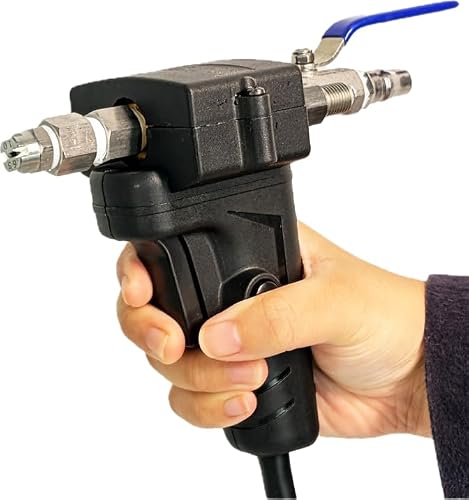
This spray gun converts a 1:1 injection pump into a portable spray system for polyurethane and polyurea coatings. It’s designed for insulation, waterproof coatings, and repair work where speed and control matter. The device enables multiple applications with a single pump, potentially reducing equipment costs and storage needs. A limitation is that it may require proper maintenance and compatible pump setup to achieve consistent spray quality.
2 Gallon Kit Marine Flotation Foam With Gloves (Oycevila)

This larger Oycevila kit offers a higher-volume option for boats, posts, and larger marine structures. The 2 gallon capacity provides more material for substantial flotation and insulation tasks. Best for projects requiring greater buoyant mass per kit, or for users who prefer fewer kit changes during a project. A potential drawback is the increased handling weight and space requirements for storage.
Buying Guide: Key Purchase Considerations
What density do you need? Density affects buoyancy, weight, and expansion. Higher-density foams (4–6 lb) provide greater buoyancy per volume and durability, while lower-density foams are easier to handle and spread in tight spaces.
Is the project marine-focused or structural? Marine-focused kits emphasize buoyancy and insulation; foundation or crack repair kits prioritize waterproof sealing and structural integrity. Choose accordingly.
What kit size fits your project? For small repairs, quart or pint kits work well. For larger flotation or filling tasks, gallon or multi-gallon kits reduce downtime and refills.
Do you require resin compatibility? Some foams laminate well with polyester, epoxy, or vinyl ester resins after curing, enabling stronger, more versatile constructions.
Is a spray solution preferable? A spray gun setup offers faster coverage and uniform application for insulation and coatings, but it may require additional equipment maintenance and compatible pump configurations.
Frequently Asked Questions
- What is polyurethane foam used for in marine applications?
It provides buoyancy and insulation, helping to keep boats and marine structures afloat and maintaining temperature stability in vessels with insulated compartments.
- How do I choose the right density for a project?
Lower densities are easier to apply and lighter for small gaps, while higher densities deliver stronger buoyancy and durability for larger voids or heavier components.
- Can I laminate cured foam with resin?
Yes, many closed-cell polyurethane foams are compatible with polyester, epoxy, or vinyl ester resins after curing to add strength and protection.
- Is a spray gun necessary for foam work?
Not always. A spray gun increases speed and coverage for larger jobs, but a pour-style kit may suffice for smaller tasks or intricate cavities.
- What precautions should I take when handling these kits?
Follow all manufacturer instructions for mixing ratios, curing times, ventilation, and protective equipment to ensure safe and effective results.