Polyethylene water pipes offer flexible, durable, and corrosion-resistant options for delivering potable water in homes and small commercial settings. This guide highlights five top polyethylene pipe products well-suited for drinking water, irrigation, and well installations. Each choice is explained by its intended use, pressure rating, and notable advantages, helping buyers pick the right solution for their setup. The following table provides a quick overview of the selected products, including typical applications and key strengths.
| Product | Best For | Key Feature |
|---|---|---|
| Cresline 1-1/4″ x 100′ 160 Psi Drinking Water Pipe | Residential potable water and irrigation | High pressure, NSF-listed for drinking water |
| Cresline 3/4″ x 400′ 160 Psi Drinking Water Pipe | Long runs in potable systems | HD160 rating for demanding water supply |
| Cresline 1″ x 100′ 100 Psi Drinking Water Pipe | Compact, shorter runs | Made in United States |
| HD-CTS SDR-9 Plastic Polyethylene Pipe | General potable water installations | SDR-9 design for balanced performance |
| Cresline 100 ft. L Polyethylene Pipe 125 Psi | Pre-cut lengths for quick installs | 1 roll simplicity |
Cresline Polyethylene Pipe 1-1/4″ X 100′ 160 Psi For Drinking Water

This 1.25 in. black poly pipe is designed for potable water applications and meets NSF standards for safe water delivery in residential or commercial use. Its high-density polyethylene construction resists corrosion and cracking, supporting long-term performance in irrigation and well-pipe systems. Engineered to withstand up to 160 psi, it is suitable for demanding water supply needs, including irrigation and plastic well pipe installations. Best for systems requiring reliable, potable-water-grade pipe with strong pressure tolerance.
Who it’s best for: Homeowners or small businesses needing a durable, potable-water-rated pipe for moderate-to-high pressure runs. Limitation: Requires proper joining and installation to maintain potable-water integrity over time.
Cresline Polyethylene Pipe 3/4″ X 400′ 160 Psi For Drinking Water

This 3/4 inch pipe is listed as HD160 (SIDR-9) plastic polyethylene pipe, providing a strong 160 psi rating in potable-water applications. The longer 400-foot length supports extended runs without frequent splicing. Best for irrigation lines or water-service runs where higher pressure tolerance and longer lengths reduce connections. Best for: Properties needing extensive coverage with robust pressure capacity. Caution: Longer reels may be harder to maneuver in tight spaces during installation.
Cresline Polyethylene Pipe 1″ X 100′ 100 Psi For Drinking Water
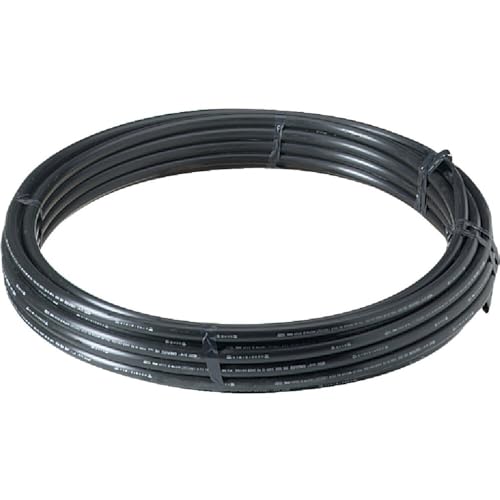
This 1″ pipe provides 100 psi in a 100-foot length, suitable for shorter, high-demand runs in potable-water systems. Noted as Made in the United States, it is a practical option for installers prioritizing domestic production. Best for smaller installations where ease of handling and precision in shorter distances matter. Limitation: Shorter length may require more fittings for longer routes.
HD-CTS (SDR-9) Plastic Polyethylene Pipe

HD-CTS is an SDR-9 plastic polyethylene pipe commonly used for general potable-water installations. This option emphasizes American-made production and standard sizing, making it a versatile choice for mixed-use residential projects. Best for general water-service runs where moderate flexibility and standard diameter options are sufficient. Limitation: Availability and diameter options may vary by region.
Cresline 100 ft. L Polyethylene Pipe 125 psi
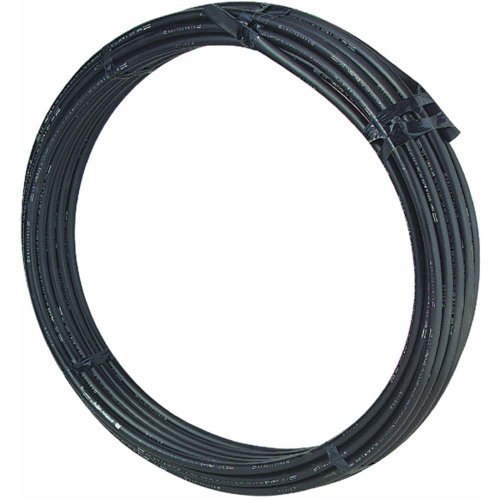
This 100-foot roll of Cresline pipe is rated for 125 psi, offering a convenient one-roll solution for shorter installations or repairs. Best for quick projects with minimal joints. Limitation: A single continuous length may not suit longer runs without additional reels.
HD160 (SIDR-9) Plastic Polyethylene Pipe

HD160 SIDR-9 is a widely used potable-water pipe with a recognized brand and manufacturing details. It supports longer underground or above-ground runs with good flow characteristics. Best for standard-grade installations requiring consistent diameter and reliability. Limitation: Country of origin may influence availability or lead times.
Buying Guide
Key considerations help buyers choose the right polyethylene water pipe:
- Potability and standards: Look for NSF/ANSI drinking-water suitability and compliance with local plumbing codes.
- Pressure rating: Select pipe rated higher than your system’s maximum expected pressure to maintain safety and performance.
- Diameter and length: Match to fittings and existing infrastructure. Longer lengths reduce joints but may require careful handling.
- Material and durability: HDPE pipe resists corrosion and cracking, suitable for irrigation and well lines in various climates.
- Install environment: Consider indoor vs. outdoor exposure, sunlight resistance, and temperature tolerance for your locale.
- Manufacturing origin: US-made options may offer different availability and support compared with international products.
- Availability of accessories: Ensure compatible fittings, connectors, and clamps are readily accessible.
Frequently Asked Questions
- What is HDPE pipe used for in drinking water systems? HDPE pipe provides durable, flexible, and corrosion-resistant water delivery suitable for residential potable-water applications.
- Is polyethylene pipe safe for drinking water? Yes, if the pipe is NSF-listed for potable water and installed according to local codes.
- What pressure rating should I choose? Pick a pipe rating higher than the maximum pressure your system will experience to ensure safety and longevity.
- Can I use polyethylene pipe for irrigation only? Yes; HDPE is commonly used for irrigation due to flexibility and resistance to cracking in outdoor environments.
- Do longer pipes require more joints? Yes; longer runs may require more fittings, which can affect flow and potential leak points.
- Are American-made pipes better? Domestic production can influence availability, compliance with local standards, and supply chain considerations, but quality depends on the manufacturer and product line.