When every second counts in an outdoor emergency, a personal locator beacon (PLB) can be a lifesaver. This guide helps buyers choose the right PLB for hiking, boating, climbing, or general wilderness adventures. The top picks below are strong choices for different needs, from ultra-light backpacking to buoyant, all-weather use. Best for: hikers and outdoor enthusiasts who want reliable global coverage and GPS data without ongoing fees.
| Product | Best For | Why It Stands Out |
|---|---|---|
| ACR ResQLink 400 | All-around outdoor use | Subscription-free, GPS, and global coverage with bright signaling. |
| ACR ResQLink View | Buoyant, water activities | Buoyant design with GPS and 406/121.5 MHz signaling; RLS available. |
| McMurdo FastFind 220 | US-based registration needs | US-programmed registration option with global functionality. |
| ACR ResQLink View RLS | Return Link Service users | Digital display and RLS confirms receipt of distress signal. |
| ACR RESQLINK AIS PLB-450 | Vessel traffic and AIS integration | AIS distress alerts plus RLS and NFC access for data. |
These selections emphasize user types: hikers looking for compact, dependable devices; boaters who need buoyant PLBs; and travelers who value data visibility and confirmation that a distress signal was received. Use the table above to shortlist devices before inspecting details, pros, and limitations of each model.
ACR ResQLink 400 – SOS Personal Locator Beacon

The ACR ResQLink 400 is a compact PLB offering subscription-free operation with GPS positioning and 406 MHz distress signaling. It also provides a visual aid for rescuers with LED and infrared strobes for nighttime visibility. Best for: backpackers and outdoor enthusiasts who want straightforward, reliable emergency signaling without ongoing fees.
Key features include:
- 406 MHz distress and homing signals for fast localization
- GPS positioning to aid rescuers and reduce search times
- LED and infrared strobes to improve visibility in low light
Who it’s best for: hikers, climbers, hunters, and anglers who require a small, subscription-free PLB with solid global coverage. Caution: battery life and performance depend on outdoor conditions; ensure proper activation and registration per local requirements.
ACR ResQLink View – Buoyant PLB with GPS
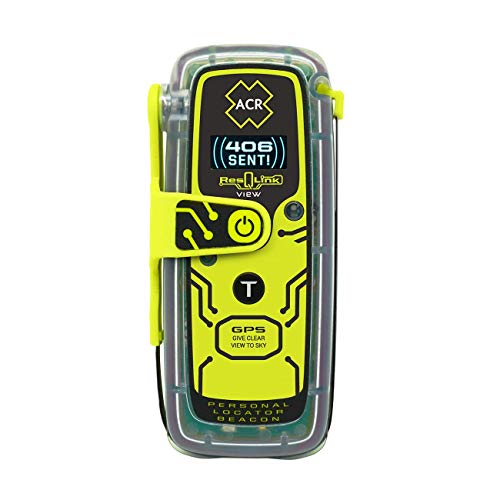
The ResQLink View is designed for water-related activities with buoyancy, GPS positioning, and a 406 MHz distress signal with a 121.5 MHz homing frequency. It also supports non-emergency pre-brief messaging via optional subscription services for multiple contacts. Best for: boaters, kayakers, and campers who need a floating PLB that remains visible in wet environments.
Highlights include:
- GPS-based SOS with global coverage
- Buoyant and rugged construction
- Attachment clips and wearability accessories for active users
Who it’s best for: water-oriented adventures; choose this if buoyancy and visibility are priorities. Caution: additional messaging features may require optional subscriptions; verify the availability in your region.
McMurdo FastFind 220 PLB

The McMurdo FastFind 220 PLB operates globally, with US programming options and a US-based registration process. It is designed for straightforward registration and deployment in emergencies, with clear guidance on international use. Best for: travelers who may register in the US or require flexible international deployment through reprogramming.
Key points:
- US programming or worldwide options available
- Global signaling via 406/121.5 MHz frequencies
- Important registration step to expedite SAR response
Who it’s best for: travelers who expect to register in the US or who want a reprogrammable option for other regions. Caution: international users should confirm local SAR processes and registration requirements before activation.
ACR ResQLink View RLS – SOS PLB with Return Link Service

The ResQLink View RLS adds a Return Link Service (RLS) confirming that rescue authorities have received the distress signal. It features a digital display and infrared strobe for enhanced detection in emergencies, plus a long battery life. Best for: users who want verifiable signal acknowledgment and a reliable digital readout during emergencies.
Highlights include:
- RLS confirmation that SAR has received the signal
- Digital display for easy status checks
- No ongoing subscription required, 5-year battery life
Who it’s best for: outdoor professionals and serious hikers who value the assurance of RLS data. Caution: ensure you understand how RLS works in your region and keep registration details up to date.
ACR ResQLink AIS PLB-450 – AIS, GPS, and Return Link Service

The AIS PLB-450 integrates Automatic Identification System (AIS) signaling with traditional PLB features, including GPS and RLS. It provides NFC for quick access to beacon data via a mobile device and supports both local AIS receivers and global satellite distress signaling. Best for: mariners and coastal adventurers who want AIS visibility in congested waters and easy data access on the go.
Notable points:
- AIS-based distress alerts for nearby vessels and plotters
- RLS confirmation and NFC data access
- Global satellite signaling for remote locations
Who it’s best for: boaters and coastal travelers who rely on AIS ecosystems and want enhanced situational awareness. Caution: AIS coverage varies by vessel and region; verify compatibility with onboard equipment before use.
Buying Guide: How To Choose A PLB For Your Outdoor Needs
What coverage do you need?
Most PLBs operate on global 406 MHz networks with regional 121.5 MHz homing. If you frequently travel overseas or into remote regions, prioritize models with global coverage and quick satellite contact.
Do you want buoyant or handheld design?
Buoyant PLBs are ideal for water activities, while compact handheld units work well for hiking, camping, and climbing. If you expect rain or immersion, choose a waterproof or ruggedized option.
Is Return Link Service important?
RLS confirms that distress signals have been received by Search and Rescue. This feature adds a layer of assurance for users who need confirmation that help is on the way.
Should you consider AIS or NFC features?
For vessel operators or frequent sailors, AIS-enabled PLBs provide nearby vessel visibility. NFC enables quick access to beacon data via a mobile device, which can streamline testing and status checks.
What about subscription and testing?
Most PLBs require no ongoing subscription, but some optional services offer extended testing, messaging, or data sharing. Review the test intervals and activation procedures to ensure readiness when needed.
Registration considerations
Registration is legally required in many jurisdictions. Proper registration ensures that rescue authorities know who you are and can access critical travel and contact information during an emergency. Some models offer reprogramming for different regions; check local requirements before purchase.
Battery life and maintenance
PLBs typically have long battery life, often rated for several years with expected operational life after activation. Plan for battery replacement intervals and store the device in a ready-to-access location with fresh batteries as recommended by the manufacturer.
Choosing by scenario
- Hiking and camping: prioritize GPS, compact design, and no subscription.
- Boating and water sports: buoyant design, bright signaling, and potential AIS integration.
- International travel: ensure global coverage and registration compatibility.
Summary of top picks
- ACR ResQLink 400: Best all-around, no subscription, GPS included.
- ACR ResQLink View: Best buoyant option with GPS and robust signaling.
- McMurdo FastFind 220: Best for US-registered preferences with global use.
- ACR ResQLink View RLS: Best for users who want signal receipt confirmation.
- ACR RESQLINK AIS PLB-450: Best for AIS-equipped environments and advanced data access.
FAQ
- What is a PLB and how does it work? A PLB sends a distress signal on 406 MHz to search and rescue satellites, with optional homing signals and GPS location.
- Do PLBs require a subscription? Most do not, but some models offer optional services for messaging or data access.
- Will a PLB work globally? Yes, many PLBs provide global coverage, but verify regional registrations and requirements.
- What is RLS and why is it important? Return Link Service confirms that rescue authorities received your distress signal, improving accountability during SAR operations.
- How should I register a PLB? Registration is typically required by law in many countries and speeds up SAR response. Follow manufacturer instructions for your region.
- Can I reprogram a PLB for another country? Some models offer reprogramming services; check listing details and availability for your destination.