Answering the demand for a durable, outdoor-ready surface, these top picks provide a stable, smooth platform for ballet, tap, jazz, or casual outdoor performances. Each option suits different space, portability, and budget needs. The list favors modular systems you can deploy outdoors for venues, backyards, or lawn events, while remaining practical for indoor use. Ideal buyers include home studio owners, event organizers, dance instructors, and performers seeking long-lasting flooring that resists weather and wear.
Summary of selected products:
| Product | Surface Type | Best For | Key Benefit |
|---|---|---|---|
| VEVOR Dance Floor Tiles | Home studios, small outdoor gatherings | Impact-resistant, non-slip, weather-resistant edges | |
| Tristcily Tap Dance Floor | Outdoor practice, studio to park events | 30% tougher than standard mats; natural cushioning | |
| Big Floors Portable Dance Floor (3′ x 3′) | Portable practice, small events | Easy assembly, tool-free snap-together | |
| vigorliving Portable Tap Dance Floor | Traveling dancers, small studios | Compact folded size; versatile for multiple scenes | |
| Big Floors Dark Oak (5′ x 5′) | Expanded outdoor performances, larger spaces | Larger surface, durable snap-together design |
VEVOR Dance Floor Tiles

Features include impact-resistant PP + PVC construction with a wood-grain finish to emulate a professional studio look. The tiles offer a non-slip, waterproof surface and edge fasteners to reinforce the mat. Best for dancers who need a stable, protective surface for home studios or outdoor practice without renting a venue. Caution: surface may still require weather protection in extreme conditions, and assembly requires alignment to ensure seamless joints.
Tristcily Tap Dance Floor

Designed as a bamboo-reinforced portable mat, this floor offers a larger practice area (47.8″ x 38.5″). It aims to deliver studio-like cushioning with a natural spring and improved stability on hard substrates. Best for outdoor sessions in parks or patios and for dancers who want a sturdy, eco-friendly base. Limitation: bamboo composite can be heavier than some plastic options, affecting transport ease.
Big Floors Portable Dance Floor (3′ x 3′)
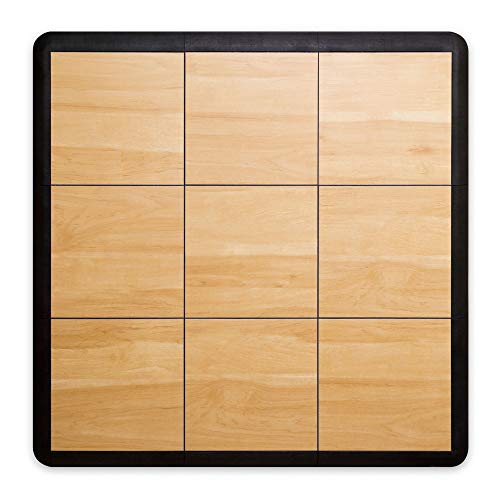
This kit offers a complete 9 sq ft surface built from interlocking tiles with a lightweight design (18 lbs per kit). It’s ideal for home practice and small events, with tool-free assembly and durable construction featuring multiple support structures per square foot. Choose this if you need a compact, portable setup that can grow with your space by adding more kits. Caution: limited surface area may require pairing with additional tiles for larger shows.
vigorliving Portable Tap Floor

Foldable design with carrying bag makes it convenient for on-the-go dancers. The folded size is compact (24″ x 24″), while unfolded it forms a sizeable 48″ x 24″ platform. Best for solo practice or small group routines with easy storage. Limitation: folding mechanism may add seam lines; ensure proper alignment for seamless practice surfaces.
Big Floors Dark Oak 5′ x 5′
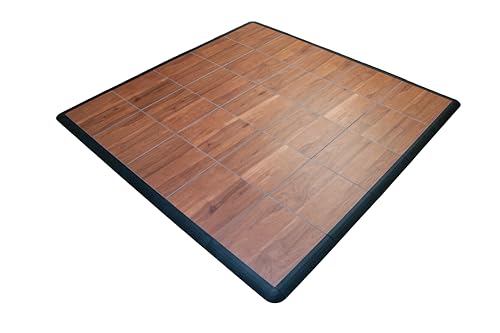
A larger surface area with 5’ x 5’ panels, built for expanded outdoor practice or small performance settings. The kit uses interlocking tiles with a durable snap-together design, reducing seams for smoother dancing. Best for larger spaces or outdoor performances where a bigger flat area is needed. Caution: heavier overall setup may require more storage space and careful transport planning.
Buying Guide
What to consider before choosing an outdoor dance floor:
- Surface material and grip: Look for non-slip, weather-resistant surfaces to reduce slips and protect joints during outdoor use.
- Portability vs. permanence: If you need a floor for frequent gigs, prioritize snap-together modules and carrying ease. For a more permanent backyard setup, heavier-duty interlocking tiles with durable edges are preferable.
- Size and expandability: Start with a base footprint (e.g., 3’x3’ or 4’x4’) and plan for expansion with additional tiles if your space grows.
- Weight and storage: Lighter tiles simplify transport, but ensure they’re sturdy enough for consistent practice. Consider a storage solution or bag for mobility.
- Subfloor compatibility: Outdoor use may require a level, solid subfloor or terrace surface. Some tiles offer integrated cushioning; verify how they sit on concrete, wood, or grass.
- Durability and weather resistance: Check if materials resist UV exposure, moisture, and temperature changes to avoid warping or peeling.
Frequently Asked Questions
- What’s the difference between portable and permanent outdoor dance floors?
Portable floors are modular and easy to move, ideal for events and travel. Permanent options are designed to stay in place, often with stronger edges and larger surface areas. - Can these floors be used on grass or uneven surfaces?
Some tiles work on flat grass with a stable base, but for best results ensure a level subfloor or use a ground mat to even out irregularities. - Are these surfaces suitable for all dance styles?
Most listed options support ballet, tap, and jazz; verify cushioning and firmness to match your practice intensity and dance style. - How easy are these to assemble and disassemble?
Most kits feature tool-free snap-together designs; folding or carrying bags improve portability for frequent setup and takedown. - What is the best choice for a backyard studio?
Consider a larger, weather-resistant kit such as the 5’ x 5’ options for adequate space and a stable, continuous surface.