Looking for a PEM hydrogen generator to safely produce hydrogen for demonstrations, experiments, or small-scale teaching labs? This guide highlights practical, PEM-based units and explains who each device is best for, along with clear buying considerations. The selections focus on compact, low-voltage electrolyzers that emphasize water-only electrolysis, safe materials, and straightforward operation. If you want high purity hydrogen, reliable long service life, and easy integration into classroom or hobby projects, these options are suitable starting points for different needs and budgets.
Summary of selected products
- Jieotwice 50ML/MIN PEM Electrolyzer Hydrogen Generator — Best for compact, medical-grade hydrogen in a small footprint.
- VERIMP Reversible Hydrogen Fuel Cell and Electrolyzer Kit — Best for educational demonstrations combining fuel cell and electrolyzer concepts.
- iDili 600ML/min Hydrogen-Rich Machine — Best for higher output while maintaining safety and portability.
- PEM Water Electrolyzer Cell, 20A — Best for lab-style use with stand and reliable PEM technology.
- MOWFXUA PEM Hydrogen Demonstrator — Best for teaching tool demonstrations with integrated components.
Jieotwice 50ML/MIN PEM Electrolyzer Hydrogen Generator

Key features: Water-only electrolyte; high hydrogen purity; long service life (5–10 years) with low voltage between 1.7 V and 2.2 V; uses a high-quality membrane for hydrogen-oxygen separation and space-grade titanium materials for safety. Best for compact setups needing medical-grade hydrogen and long-term reliability. Caution: Ensure proper ventilation and avoid wiring or operation beyond recommended voltage to prevent overheating.
VERIMP Reversible Hydrogen Fuel Cell And Electrolyzer Kit
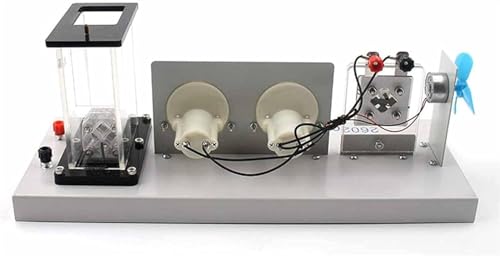
Key features: Includes electrical components (motor, ammeter, voltmeter), ammonia fuel cell concept, and a PEM water electrolyzer demonstrating gas separation and proton exchange processes. Best for classroom demonstrations showing how hydrogen can fuel a cell to produce electricity. Choose this if you want to discuss integrated energy cycles. Limitation: The setup may require additional catalysts and precise alignment to illustrate the full electrochemical steps.
iDili 600ML/min Hydrogen-Rich Machine
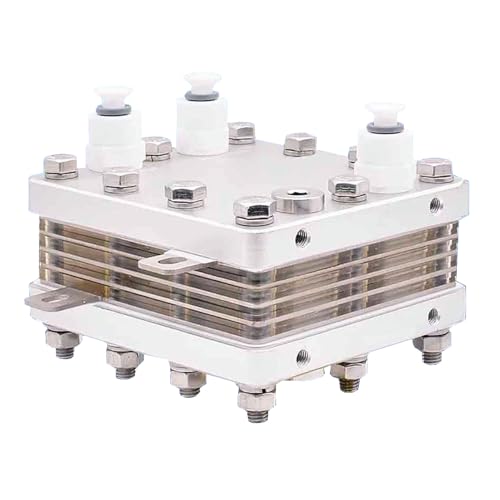
Key features: High purity hydrogen with pure water electrolyte; high electrolysis efficiency and low energy consumption; portable with easy transport and low center of gravity; long service life (low voltage 1.7 V–2.2 V). Best for higher output needs in teaching labs or hobby projects requiring more hydrogen. Caution: Ensure adequate gas handling and venting to avoid gas buildup in confined spaces.
PEM Water Electrolyzer Cell, 20A

Key features: PEM electrolysis with pure water, non-corrosive operation, hydrogen-oxygen separation for safe, reliable output; service life up to 6 years (20,000 hours) or more; strict sealing to produce high-concentration hydrogen. Best for lab environments and demonstrations requiring dependable, longer-term operation. Limitation: Higher current capacity may require more extensive safety protocols and gas handling infrastructure.
MOWFXUA Water Electrolysis Hydrogen Demonstrator
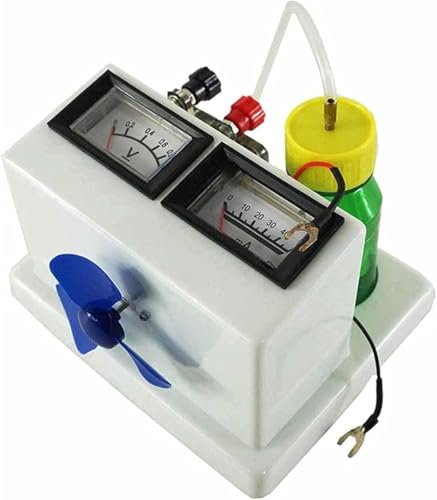
Key features: Complete teaching apparatus with hydrogen fuel cell, electrolyzer, ammeter, and various components enabling hands-on demonstrations of electrochemical conversion. Best for educators and students exploring PEM technology and fuel cell basics. Caution: The kit’s performance depends on correct assembly and safe handling of electrical connections and gases.
200ml H2 + 100ml O2 Hydrogen Ful Cell PEM Electrolyser

Key features: SPE PEM and N117 Dupont ion membrane for high-purity hydrogen; precise gas production rates (600 ml/min H2, 300 ml/min O2); water consumption and gravity-based operational considerations noted. Best for demonstrations requiring measurable gas outputs and separation accuracy. Limitation: Requires careful handling of gases and proper waste water recirculation to maintain efficiency.
100ML PEM Electrolytic Cell Module GT-A100

Key features: Model GT-A100 electrolytic cell module with 100±5 ml/min hydrogen yield. Best for modular setups where researchers want to add or replace hydrogen generation components. Caution: Module-based configurations require secure mounting and correct electrical integration to avoid leaks or short circuits.
Proton Exchange Membrane Hydrogen Fuel Cell Generator

Key features: Built with reliable materials; advanced membrane technology; versatile for demonstrations and renewable energy education; supports exploring fuel cell technology and environmental science topics. Best for long-term teaching labs. Limitation: Primarily a fuel cell generator, so pairing with an electrolyzer setup may be necessary for complete PEM demonstrations.
Buying Guide: PEM Hydrogen Generator Essentials
- Hydrogen purity and safety: Look for water-only electrolysis and membranes that minimize ozone or chlorine by-products. Ensure robust gas separation and venting capabilities.
- Output and scalability: Match hydrogen production rates to your intended experiments or demonstrations. Consider whether you need higher outputs or modular add-ons.
- Voltage, power consumption, and efficiency: Lower voltages (around 1.7–2.2 V) with higher current density can improve efficiency and safety in small setups.
- Durability and service life: Check expected service life and material quality of membranes, seals, and housings. Longer life reduces maintenance frequency.
- Educational value: Kits with accompanying diagrams, ammeters, voltmeters, and integrated fuel cell components help explain electrochemical processes clearly.
- Safety considerations: Ensure proper ventilation, gas handling, and electrical safety. Avoid dense enclosures and ensure appropriate storage of gases.
- Compatibility and expandability: If buying for a classroom, consider whether the device integrates with other demonstration tools, such as fuel cells or measurement instruments.
- Maintenance and支持: Favor products with clear maintenance guidance and availability of replacement parts.
FAQ
- What is a PEM hydrogen generator? A device that uses a proton exchange membrane to electrolyze water, producing hydrogen and oxygen, with hydrogen typically separated and purified for experiments.
- Who should buy PEM hydrogen generators? Educators, students, hobbyists, and researchers needing safe, small-scale hydrogen generation for demonstrations or training.
- Is hydrogen safe to use in classrooms? When properly vented and operated with appropriate safeguards, PEM-generated hydrogen can be used for demonstrations; follow all safety guidelines.
- What should I consider when choosing a unit? Purity, output rate, voltage requirements, build quality, safety features, and whether you need integrated demonstration components like a fuel cell.
- Do these devices require extra catalysts? Some kits describe catalyst needs for certain reactions; many PEM systems rely on the proton exchange membrane and catalysts within the cell assembly for efficiency.
- Can I scale up hydrogen production? Some models support higher outputs or modular additions; verify compatibility and cooling/safety requirements for expansion.