Need targeted relief for neck and back tension? This guide compares top neck and back rollers to help you choose the right tool for your needs. Best for athletes seeking post-workout recovery, and for people with chronic neck or back discomfort. The featured tools cover deep-tissue relief, spinal alignment, and portable options for at‑home or on‑the‑go use. Below, you’ll find concise product breakouts, a quick buying table, and practical buying tips.
| Product | Best For | Key Benefit |
|---|---|---|
| TriggerPoint Grid 1.0 Foam Roller | General neck and back tension, deep tissue recovery | Multi-density GRID for tissue aeration and targeted massage |
| RESTCLOUD Neck And Shoulder Relaxer | Neck pain relief, cervical traction | Ergonomic curvature to support cervical spine |
| Chirp Wheel Foam Roller | Back relief and spinal decompression | Spine-friendly wheel with 500 lb capacity |
| 321 Strong Foam Roller | Deep tissue massage, back/neck trigger points | Projections for deep tissue work and fascia release |
| Gaiam Restore Compact Foam Roller | Smaller muscles and mobility work | Light texture for circulation and gentle relief |
TriggerPoint Grid 1.0 Foam Roller

The TriggerPoint Grid 1.0 uses a multi-density GRID surface to enhance muscle recovery by promoting tissue aeration and blood flow. The varying ridges simulate a massage therapist’s hands, helping to address tight back muscles and knot-prone neck areas. This roller is best for users seeking a deep, massage-like experience at home without needing professional tools. A limitation is that very tight or highly sensitive users may prefer a softer option before targeting deep tissue.
Best for: Those who want a massage-like, deep tissue experience for back and neck areas at home. Suitable for individuals who value optimized comfort through gradient density ridges.
RESTCLOUD Neck And Shoulder Relaxer

The RESTCLOUD neck and shoulder relaxer is designed for cervical traction and neck curvature support. It provides vertical and horizontal positioning to help reduce spinal pressure and restore the neck’s C-shaped curve. This tool is best for individuals seeking targeted neck relief and simple daily stretches. A potential limitation is that it focuses primarily on neck traction rather than broad back massage.
Best for: Neck-focused relief and cervical spine support, especially for those with mild to moderate neck discomfort or headaches related to tension.
Chirp Wheel Foam Roller
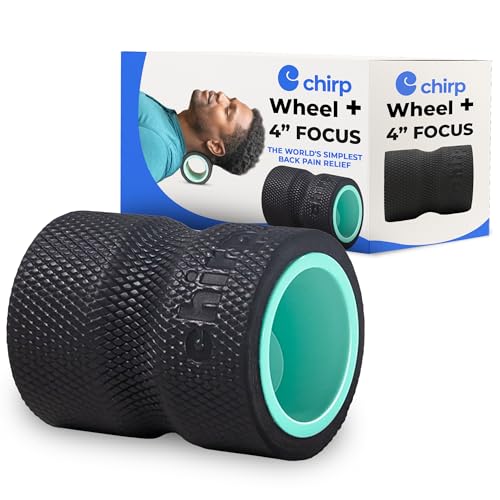
The Chirp Wheel combines a spine-friendly design with a dense foam exterior and reinforced core, supporting up to 500 lbs. It serves as a back stretcher and neck roller, making it a versatile tool for back decompression, posture work, and mobility. Use caution if you are new to spinal decompression or have acute injuries; start slowly and avoid rolling directly over the spine for comfort.
Best for: A versatile back and neck relief tool that doubles as a spine decompression aid and mobility enhancer, suitable for at-home routines and full-body stretches.
321 Strong Foam Roller

The 321 Strong Foam Roller employs a patented pattern of projections that extend into soft tissue to target trigger points and fascia, aiding back and neck relief and improving range of motion. It is designed to mimic therapist-style pressure in a home setting, offering firm yet comfortable deep-tissue work. A limitation can be that some users may prefer a milder roller for sensitive areas around the neck.
Best for: Deep tissue relief and myofascial trigger point work targeting the back and neck, with a shape and texture designed to simulate hands-on therapy.
Gaiam Restore Compact Textured Foam Roller

The Gaiam Restore Compact Foam Roller offers a lighter texture designed to stimulate circulation and ease muscle tension, particularly in smaller muscle groups. It is compact, making it ideal for travel or smaller spaces. It is best used for gentle myofascial release and mobility work rather than aggressive deep tissue massage. A limitation is its lighter texture, which may not satisfy users seeking intense pressure.
Best for: Users needing a compact, portable option for gradual relief, smaller muscle groups, or gentle post-workout recovery.
Buying Guide
- What’s your target area? Neck-focused devices prioritize traction and gentle pressure, while back rollers emphasize broader fascia release and deeper tissue work.
- Pressure tolerance and texture If you prefer gentler relief, choose rollers with softer textures. For deeper massaging, multi-density grids or raised projections are more effective.
- Portability and space Compact rollers are ideal for travelers or small spaces, while longer rollers suit full-back massage at home.
- Durability and weight capacity Look for high-density foams and stable cores if you plan frequent use or heavier users.
- Safety and usage Beginners should start with low-pressure rolls and gradually increase intensity, especially for the neck and spine.
- Maintenance Reusable foam rollers with closed-cell foam are easier to clean and maintain, reducing moisture absorption and odor.
Frequently Asked Questions
- Can a neck roller help with headaches? Yes, by relieving muscle tension in the neck and improving cervical alignment can reduce tension headaches for some users.
- Is a back roller better than a neck roller? It depends on the target area. Back rollers cover larger muscle groups, while neck rollers focus on cervical relief and gentle traction.
- How often should I use a roller? Daily light sessions or 3–4 times per week for deeper work is common, depending on comfort and goals.
- Can I roll directly on my spine? Generally avoid directly rolling over the spine; target paraspinal muscles next to the spine and use spinal-safe designs like Chirp Wheel where advised.
- What’s the best starting option for beginners? A compact, less intense roller with a softer texture is typically best for learning proper form and gradually building tolerance.
- Do these devices replace physical therapy? They can complement therapy but should not replace professional medical advice for chronic or severe conditions.