The best 1989 baseball card sets and packs are ideal for both seasoned collectors and newcomers seeking iconic nostalgia. This guide highlights five top options, explains who each is best for, and explains why they stand out for value and appeal. The buyer-friendly picks focus on factory sets, complete collections, and notable rookies from 1989, with clear reasons to choose one over another based on purpose—investment, display, or completing a historic run.
Summary table of selected products:
| Product | Best For | Notes |
|---|---|---|
| 1989 Topps Baseball Cards Box (36 packs) | Pack collectors and set builders | Multiple packs from a factory case |
| 1989 Topps Baseball Factory Set | Complete set enthusiasts | 792-card factory sealed |
| Fleer 1989 Baseball Cards Complete Factory Set | Completionists and display buyers | 660-card factory sealed |
| Upper Deck 1989 MLB Baseball Pack (15 Cards) | Ken Griffey Jr. RC fans | |
| Best for single-pack nostalgia and potential rookie pull |
1989 Topps Baseball Cards Box (36 packs)

Best for pack-based collection: This box comprises 36 packs per box with 15 cards per pack, pulled from a factory case. It suits buyers who want to open multiple packs to complete a broader set or chase specific players from the 1989 season. The multiple-pack format helps build a sizable subset quickly, making it ideal for birthday gifting or social collecting sessions. The selection is driven by nostalgia and the classic Topps design that defined late-1980s baseball collecting.
Who it’s best for: Players and fans who enjoy the thrill of opening packs and gradually assembling a larger 1989 run. It’s better for those who value the experience of a factory-cased source and want a broad, varied card pool to sort and display.
Limitations: This option is pack-heavy, which means you may need time and space to organize and sort a large batch of cards. It’s not a single, finished display piece on arrival.
1989 Topps Baseball Factory Set

Best for completeness and display: This factory set contains 792 cards and ships in a colorful display box. It’s a strong choice for collectors who want a near-complete year in one package, with a ready-to-display presentation that works well on a shelf or in a collector’s room. The breadth of the set helps ensure you cover the core rookies, stars, and common cards from 1989.
Who it’s for: Ideal for those who prefer a ready-to-go, widely representative sample of 1989 Topps, with a focus on completeness and the clean look of a display-ready box.
Limitations: As a complete set, it may include common cards with lower incremental value. It’s more about breadth than targeted rookies or scarce variations.
Fleer 1989 Baseball Cards Complete Factory Set
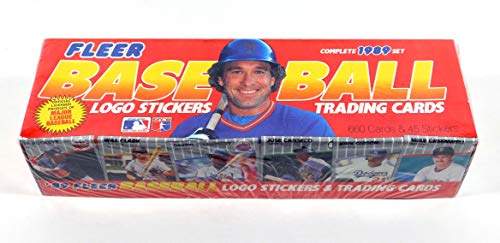
Best for a complete, sealed experience: This Fleer factory set offers 660 cards in a sealed package, providing a clean, collectible group for display and archiving. Fleer’s 1989 lineup is known for its distinctive design and popular players, making this a solid choice for both nostalgic display and investment potential tied to the 1989 rookie wave.
Who it’s for: Great for collectors who want a faithful, sealed representation of the 1989 Fleer lineup and prefer a compact set that’s easier to manage than a full 792-card Topps box.
Limitations: Availability may vary, and precision value depends on the specific rookie cards included and their condition upon eventual opening or grading in the future.
Upper Deck 1989 MLB Baseball Pack (15 Cards) – Ken Griffey Jr. RC

Best for a Griffey Jr. rookie destination: This single 15-card pack represents Upper Deck’s iconic 1989 release, known for high-quality stock and the potential inclusion of the Ken Griffey Jr. rookie card in some sets. It’s an ungraded collectible, suitable for buyers who want to pursue grading and authentication themselves, or who value a classic Upper Deck design from a pivotal year.
Who it’s for: Ideal for Griffey fans and collectors targeting a Griffey Jr. rookie or a single-pack nostalgia item. It’s better for those who want flexibility to grade and authenticate later rather than a sealed, all-in-one set.
Limitations: The unaffiliated, ungraded status means condition and potential value can vary widely, depending on which cards the pack contains and their preservation.
Buying Guide
Key purchase considerations focus on purpose, condition, and display. Clarify your goals: complete year, key rookies, or a display-ready set. If you want value through opening experience, pack-based options like the 1989 Topps Box can deliver ongoing engagement. For stable display value, sealed factory sets offer neat, ready-to-show collections. If targeting a specific rookie, Upper Deck’s 1989 line is known for quality and a sought-after Griffey Jr. card in some iterations.
Practical questions to guide your choice
- What is my primary goal: nostalgia, investment, or display?
- Do I prefer a complete, boxed set or multiple packs to open and sort?
- Am I targeting a specific rookie or player from 1989?
- Is ready-to-display presentation important for me?
- What is my plan for future grading or authentication?
Which factors influence value more?
- Rookie presence and player popularity in 1989 releases.
- Condition and centering, especially for graded potential.
- Completeness of the set and the inclusion of popular subsets or inserts.
- Packaging: sealed factory sets provide consistency and display ease.
Care and handling tips for 1989 cards
- Keep cards in a cool, dry place away from direct sunlight.
- Use sleeves and toploaders for individual cards you plan to grade.
- Avoid excessive handling; wash hands before touching cards.
- Store sealed sets in a climate-controlled environment to preserve condition.
FAQ
- What is the most valuable 1989 baseball card overall? Many collectors chase rookie or limited-issue cards; the value often hinges on rarity, condition, and demand for players like Griffey Jr. in the 1989 era.
- Are factory sets better than packs for long-term value? Factory sets offer display-ready, intact collections and lower risk of mixed-condition contents, while packs provide ongoing discovery and potential surprise rookies.
- Should I open a pack if I want to preserve value? For many, preserving value favors sealed sets; however, some collectors enjoy the opened-pack experience and potential for rare pulls.
- Is grading important for 1989 baseball cards? Grading can enhance value for rare or high-demand cards, but not all 1989 issues require grading; it depends on the card and the buyer’s goals.
- What should I consider when comparing 1989 Topps vs. Fleer vs. Upper Deck sets? Topps and Fleer offer broad older-year representation with large card counts; Upper Deck emphasizes high-quality stock and notable rookie cards like Griffey Jr. Compare set size, design, and potential rookie inclusion to determine the best fit.