Whenever you need to reduce acoustic volume without sacrificing feel, mesh bass drum heads are the top solution. This guide highlights five mesh bass drum heads that balance low volume with natural attack, making them ideal for apartment living, late-night practice, and quiet stage setups. The selections favor players seeking consistent response, durability, and compatibility with triggers or dual-ply designs for open-toned performance.
| Product | Best For | Why It Stands Out |
|---|---|---|
| Evans dB Zero Bass 22″ | Low-volume practicing with real feel | Single-ply ShockWeave mesh reduces volume while preserving response |
| Evans dB Bass Batter 22″ | Reduced-volume gigging and triggers | Kinetic Transfer Foam improves energy transfer and articulation |
| Remo Silentstroke 24″ | Quiet practice in shared spaces | Durable mesh designed specifically for silent play |
| Roland PowerPly MH2-12 | Home practice with near-drum-analog feel | Dual-ply mesh head for extra durability and quiet performance |
| MECCANIXITY 20 Inch Mesh | Versatile practice head with quiet flexibility | Double-layer mesh with sturdy construction |
Buyer note: Each product prioritizes low volume, natural feel, and durability. Consider your environment (apartment, rehearsal room, stage), your setup (drum trigger compatibility, pedals, and mounting), and whether you prefer single- or dual-ply designs for your bass drum needs.
Evans dB Zero Drum Heads – 22 Inch Bass

This product is built with a single ply ShockWeave mesh that dramatically reduces volume while maintaining a normal response. Best for players who need quiet practice without sacrificing touch, and for use with drum triggers. Caution: mesh heads can feel slightly different from traditional heads; allow a short adjustment period for familiarization. The product is well-suited for apartment setups and late-night rehearsals.
Evans dB Zero Bass Head – 20 Inch

Evans offers a 20-inch variant with the same ShockWeave mesh benefits, designed to reduce volume while preserving feel. This option is best for compact drum sets, smaller studios, or players who prefer the 20-inch format for their bass drum. Caution: availability may vary by size and market demand.
Evans dB Bass Batter – 22 Inch

The dB Bass Batter combines ShockWeave mesh with Kinetic Transfer Foam (KTF) technology to transfer impact energy into sonic vibrations. It also reinforces the striking surface with impact patches for improved audible attack and articulation, delivering a natural acoustic feel at low volumes. Best for players who want a more natural attack while maintaining low volume. Caution: some players might notice a slightly different edge feel compared to traditional heads.
Remo Silentstroke Bass Drumhead, 24″
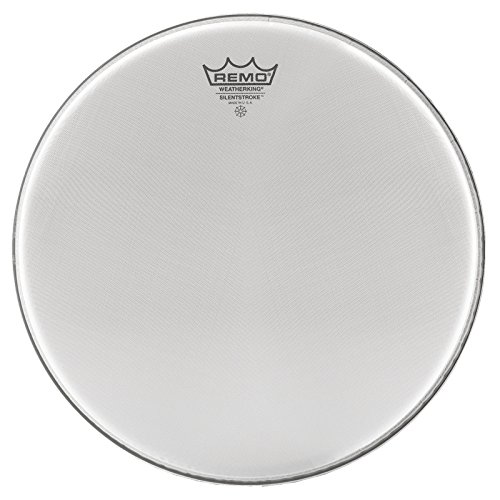
Remo Silentstroke uses a durable 1-ply mesh designed specifically for silent practice. This option is ideal for apartments, dormitories, and shared spaces where minimizing noise is essential. Best for players seeking a straightforward silent head without extra foam or patches. Caution: the feel can be less ‘live’ than some other mesh designs, which may influence stick rebound for certain playing styles.
Roland PowerPly MH2-12 Dual-Ply Mesh

This 12-inch dual-ply mesh head from Roland emphasizes high durability and very quiet performance, making it suitable for home practice and triggering setups. Best for players who value extra durability and a slightly stronger head profile for consistent sound transfer. Caution: not every 12-inch bass drum will perfectly pair with all mounting hardware; verify fit before full use.
MECCANIXITY 20 Inch Mesh Drum Head
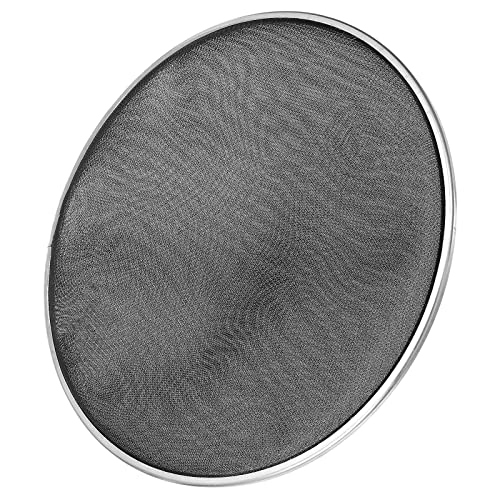
MECCANIXITY offers a versatile 20-inch mesh head with double-layer mesh, designed for mute-friendly practice and durable performance. It is a solid option for players seeking a balance between quiet operation and robust construction. Caution: check for proper ring compatibility to ensure a secure fit on your bass drum hoop.
Buying Guide: Mesh Bass Drum Heads
- Head construction: Single-ply vs. dual-ply mesh affects feel and durability. Single-ply heads are typically lighter and more responsive, while dual-ply heads offer greater durability and muffled attack.
- Volume control: All mesh heads reduce volume, but some include KTF or foam layers that further dampen and alter energy transfer. Consider your space and audience when choosing.
- Response and feel: If you rely on open, dynamic feel, look for meshes advertised as maintaining natural acoustic tone or attack. If you need near-silent practice, prioritize foam-backed or reinforced surfaces.
- Compatibility: Verify drum size (diameter) and mounting hardware compatibility. Some heads are designed for triggers or specific drum brands; others are universal replacements.
- Durability and maintenance: Some mesh heads include protective patches or reinforced striking surfaces. These features help with longer life in frequent playing scenarios.
- Use case: Choose based on environment—apartment living, rehearsal spaces, or stage setups. Some options excel for triggers, while others emphasize feel and articulation.
FAQ
- Q: Do mesh bass drum heads affect pedal feel? A: Yes, the feel can differ slightly from traditional heads, but many players adapt quickly, especially with single-ply designs.
- Q: Can mesh bass heads be used with triggers? A: Some models are designed to pair with triggers; confirm with the manufacturer or product description for compatibility.
- Q: Do dual-ply mesh heads sound louder than single-ply in a practice room? A: Dual-ply heads typically provide more durability and a bit more attack, but still remain very quiet compared to traditional heads.
- Q: Which mesh head is best for apartment living? A: Any mesh head designed for low volume with reinforced surfaces (like the Evans and Remo Silentstroke lines) performs well in apartments.
- Q: How do I know which size to buy? A: Measure your bass drum diameter and match the head size exactly (e.g., 22″, 24″, 20″, etc.).
- Q: Are there maintenance tips for mesh heads? A: Keep them clean from dust, inspect patches or foam layers for wear, and ensure proper mounting to prevent creasing or detachment.