For dogs, managing carbohydrate intake can support weight control, blood sugar balance, and overall energy. This guide highlights low-carbohydrate options that preserve protein and tasty nutrition, helping dogs stay lean and active. Below you will find five carefully selected products with clear carb-focused notes to help you compare at a glance.
| Product | Brand | Approx. Carbohydrate Focus | Link |
|---|---|---|---|
| Ketona Chicken Recipe Adult Dry Dog Food (4.2 lb) | Ketona | Less than 6% total digestible carbohydrates | View |
| Ketona Chicken Recipe Adult Dry Dog Food (24.2 lb) | Ketona | Less than 5% total digestible carbohydrates | View |
| Ketona Salmon Recipe Dry Dog Food (4.2 lb) | Ketona | Less than 6% total digestible carbohydrates | View |
| IAMS Proactive Health Healthy Weight Control Dry Dog Food (15 lb) | IAMS | Low fat, supports healthy weight | View |
| Open Farm Healthy Weight Dry Dog Food (4 lb) | Open Farm | High protein, low-calorie formula for weight management | View |
Ketona Chicken Recipe Dry Dog Food — 4.2 lb

Ketona’s chicken-based dry formula emphasizes a grain-free profile with controlled carbohydrate content. This option markets less than 6% total digestible carbohydrate and more than 46% protein, aligning with a low-carb approach while providing robust meat nutrition. The chicken is described as non-GMO, antibiotic-free, and raised by American ranchers. This product is designed to replicate the kind of meat-forward diet dogs may have evolved to enjoy, but in kibble form for convenience and budgeting considerations.
Key reasoning for low-carbohydrate focus includes a promise of reduced starch and sugars, with a clear emphasis on protein to support lean muscle. Suitable for dogs needing better blood sugar control or weight management when paired with appropriate feeding guidelines and activity levels. Always transition gradually to minimize digestive upset and consult a veterinarian for diet changes in dogs with medical conditions.
Ketona Chicken Recipe Dry Dog Food — 24.2 lb
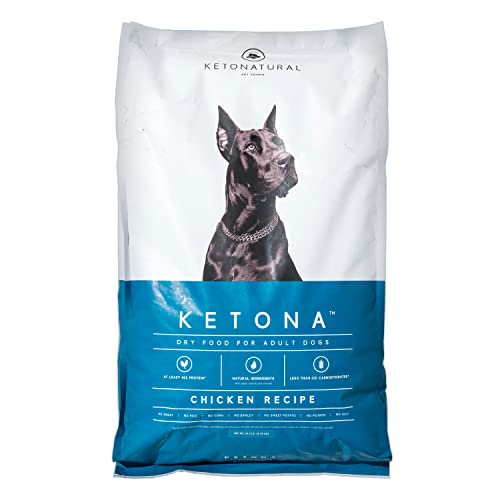
This larger Ketona bag repeats the same low-carb, high-protein formula with a claimed 5% or lower total digestible carbohydrate level. The advantage of a bigger bag is fewer restocks and consistent nutrition for households feeding multiple dogs or longer periods between purchases. The product emphasizes sustainable, American-sourced chicken, non-GMO attributes, and a grain-free base to keep starch and sugar levels minimized.
Consider this option if you need a long-term low-carbohydrate plan and are focused on protein-rich nutrition. Monitor how your dog adapts to portion sizes when using a larger bag and adjust feeding amounts as weight goals or activity levels change.
Ketona Salmon Recipe Dry Dog Food — 4.2 lb

The salmon variant maintains Ketona’s low-carbohydrate approach while leaning on fish as the primary protein source. It markets very low carbohydrate content alongside high protein, with the same message about natural diets and minimal starch. The salmon option can be appealing for dogs with sensitivities to chicken or those who prefer a fish-based protein profile. As with other Ketona products, the brand underscores non-GMO chicken, antibiotic-free sourcing, and sustainable practices in the supply chain.
When selecting a fish-based low-carb option, consider your dog’s palate and any seafood sensitivities. Introduce gradually and monitor for digestive tolerance, skin health, and energy levels as changes are implemented.
IAMS Proactive Health Healthy Weight Control Dry Dog Food — 15 lb

IAMS presents a weight-control-focused formula featuring L-carnitine and balanced nutrition to support healthy weight in adult dogs. While not explicitly labeled as low-carb, the product emphasizes reduced fat content and energy-dense ingredients designed to help dogs maintain a healthy weight. It uses wholesome grains to provide steady energy and supports lean muscles with protein contributions from poultry and eggs.
Ideal for households prioritizing a straightforward, widely available option with a structured approach to weight management. Consider coordinating feeding amounts with your dog’s activity level, age, and veterinary recommendations to optimize weight goals and overall vitality.
Open Farm Healthy Weight Dry Dog Food — 4 lb

Open Farm combines high protein and low-calorie content in a weight-management formula, aiming to support metabolism and mobility. The recipe centers on chicken and whitefish, offering natural Omega-3 fatty acids to support joint health while maintaining a lean profile. This option highlights animal welfare and sustainable sourcing alongside nutritional goals for weight control.
Open Farm’s approach can suit dogs needing a calorie-conscious diet without sacrificing protein or flavor. As with all weight-management foods, gradual transitions and regular weight monitoring are essential to ensure the dog maintains muscle mass while losing or stabilizing weight.
Buying Guide: Key Considerations for Low-Carb Dog Foods
- Protein Content: Look for foods with high protein percentages to support lean muscle and satiety. Low-carbohydrate recipes often rely on meat as the primary ingredient, so protein quality matters.
- Carbohydrate Thresholds: Many low-carb claims reference total digestible carbohydrates. Compare products by explicit carbohydrate percentages, if provided, and note whether the carbohydrate source is starch, grains, or vegetables.
- Fats and Energy: Low-carb diets should still supply adequate fats for energy and coat health. Check fat sources and total energy density to align with your dog’s activity level.
- Digestive Health: Some formulas include probiotics or prebiotic fibers to support gut health, which can be important when changing carbohydrate loads.
- Ingredient Transparency: Favor brands with clear sourcing information (non-GMO, antibiotic-free, sustainable practices) and avoid unnecessary fillers or artificial additives.
- Life Stage and Health Considerations: Puppies, seniors, and dogs with medical conditions (pancreatitis, kidney disease) may have different carbohydrate and protein needs. Always consult a veterinarian before major diet changes.
- Feeding Guidelines: Transitional plans help minimize digestive upset. Follow bag directions and adjust portions based on body condition score and weight goals.
- Availability and Value: Larger bags may reduce frequency of purchases and offer better value. Consider storage, freshness, and your dog’s appetite and dietary variety.
Choosing a low-carbohydrate option involves balancing protein, fats, and energy with your dog’s health goals and preferences. The products above present a spectrum of low-carb or weight-management formulations, from grain-free meat-forward recipes to veterinarian-backed, weight-controlled options. Always pair dietary changes with appropriate exercise and veterinary guidance to optimize canine health.