Looking for low-maintenance, lavender-flowering trees or shrubs to brighten your landscape? The top lavender crape myrtle varieties below are selected for bloom color, growth habit, and ease of transplanting. This guide helps buyers choose by size, climate compatibility, and year-round interest. Ideal for gardeners seeking elegant summer color, shade, and focal points in yards or driveways. The table below highlights five strong options with clear strengths and limitations.
| Product | Best For |
|---|---|
| Muskogee Lavender Crape Myrtle Tree | Small to mid-size trees; color contrast and fall foliage |
| Black Diamond Lavender Lace Crape Myrtle | Bold color contrast; eye-catching foliage |
| Twilight Crape Myrtle | Shade or driveway lining; tall, graceful form |
| Bundle of 4 Muskogee Crape Myrtle Trees | Group planting; faster cover and impact |
| Thunderstruck Lavender Skies | Powdery mildew resistance; focal point planting |
Who should consider these? Homeowners wanting lavender bloom across summer, container gardeners seeking manageable sizes, and landscape designers aiming for repeatable color blocks. If you’re in warmer zones, some selections offer robust growth; in coastal or cooler climates, select smaller, well-rooted varieties to reduce transplant shock. Use the table above as a quick reference when planning beds, borders, or entryways.
Muskogee Lavender Crape Myrtle Tree

This plant ships in a fabric Grow Bag and is currently in a 1 Quart nursery pot. It features panicles of light lavender-pink flowers among glossy green foliage that reddens in fall. The cinnamon bark peels to a shiny light gray. Best for: specimens or group plantings in landscapes; suitable as a large shrub or small tree. Caution: deciduous growth means winter leaf drop in colder regions.
Black Diamond Lavender Lace Crape Myrtle Live Tree

Best for dramatic color contrast: deep almost black foliage paired with lavender blooms. This 1-gallon potted tree arrives established for easy transplanting and offers an extended bloom season from summer through early fall. Best for: prominent focal points or entryways. Caution: may be unavailable in certain states due to agricultural laws.
Twilight Crape Myrtle

Best for large, blooming trees with a strong profile: mature size up to 20+ feet tall and 15+ feet wide. Ships as a well-rooted 2-4 foot plant in a soil-filled container. Bloom season runs from early summer through fall with vibrant sunset purple-pink flowers. Best for: shade trees or driveway borders in zones 6-10. Caution: establishes quickly; provide ample space for growth.
Bundle of 4 Muskogee Crape Myrtle Trees

Best for quick landscape impact: a quartet of Muskogee lavender-blooming trees with a mature height around 20-25 feet and 15-20 foot spread. Shipped in quart containers with established fibrous roots. Best for: larger planters, group plantings, or screening around patios. Caution: growth can be substantial; ensure space and root allowance.
Thunderstruck Lavender Skies Crape Myrtle
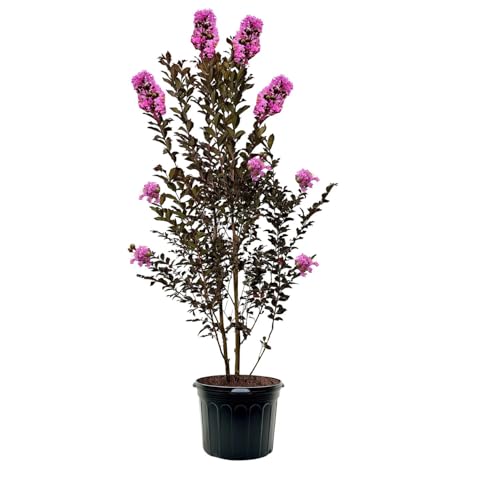
Best for focal statements and mildew resistance: lavender flowers with a graceful, upright form. Ships as a 12-18 inch tree in a 1-gallon pot. Best for: lining driveways or creating elegant space dividers. Caution: not available for sale to certain states due to agricultural restrictions.
Buying Guide
Choosing lavender crape myrtles involves bloom color, size potential, climate suitability, and transplant readiness. Consider the following:
- Climate and hardiness: Some selections tolerate heat and humidity better; verify zone compatibility for your area.
- Size and space: Plan for ultimate height and spread; consider whether you want a focal tree or a dense group planting.
- Soil and drainage: Crape myrtles prefer well-drained soil; amend clay-heavy soil to improve root establishment.
- Bloom season and color: Lavender shades can vary; decide whether you want a long bloom window or a specific lavender hue.
- Container vs in-ground: Container-grown options suit patios and small spaces; in-ground plantings require larger root space.
Frequently Asked Questions
- What is the best lavender crape myrtle for hot climates? Look for varieties with heat tolerance and long bloom periods, like Twilight or Muskogee cultivars.
- Do lavender crape myrtles require pruning? Yes, pruning helps shape the tree and encourage new flowering wood; avoid heavy pruning that can reduce bloom.
- Are these plants deer-proof? Many crape myrtles are relatively deer-resistant, but local deer behavior may vary.
- Can they grow in containers? Several listed options ship well in pots and can be container-planted with adequate drainage.
- Are there restrictions on shipping to certain states? Yes, some items cannot ship to specific states due to agricultural regulations.