Choosing the right insulated tarp with a solid R value can dramatically improve concrete curing, site heat retention, and overall project efficiency. This guide highlights high-R-value options and practical considerations to help American builders, contractors, and DIY homeowners select tarps that balance insulation, durability, and weather resistance.
Summary table of chosen products:
| Product | Brand | Approx. R Value | Size | Key Benefit |
|---|---|---|---|---|
| Turtle Life Concrete Curing Blanket | Turtle Life | 0.2 (approx.) | 12×24 ft | Thick PE foam core for controlled curing |
| Sandbaggy Concrete Blankets Insulated 12×25 ft | Sandbaggy | Up to 3.35 | 12×25 ft | High insulation with grommets |
| Sandbaggy Concrete Blankets Insulated 12×25 ft (Variant) | Sandbaggy | Up to 3.35 | 12×25 ft | Waterproof & UV resistant |
| Flutesan Concrete Curing Blanket | Flutesan | ≈1.5 | 6×25 ft | Generous thickness; durable and waterproof |
| Arcturus XL Survival Tarp | Arcturus | Not stated | 8.5×12 ft | Insulated reflective camping tarp |
Turtle Life Concrete Curing Blanket

The Turtle Life Concrete Curing Blanket uses a high-quality PE foam core to minimize heat loss and temperature fluctuations around curing concrete. Its 12×24 ft size makes it suitable for mid-sized pours, while the 3.6mm (0.15 inch) thickness provides additional insulation compared to standard tarps. The product notes an approximate R value of 0.2, and suggests using multiple blankets for higher insulation. Ball bungee cords enable quick connections to other tarps, supporting flexible configurations on job sites.
Sandbaggy Concrete Blankets Insulated 12 ft x25 ft (Grommets)
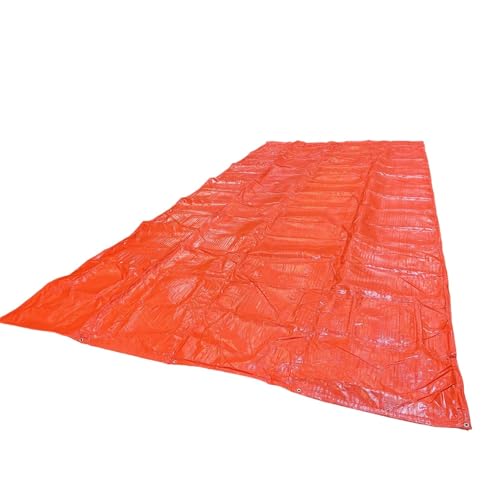
These Sandbaggy insulated blankets offer an impressive R-value up to 3.35 with an air gap and a surfaced thickness around 1.5 inches. The 3/16 inch foam core uses multiple layers of closed-cell foam to retain heat effectively during curing. Built to withstand cold and wet conditions, they are waterproof and UV resistant, protecting concrete from rain and sun exposure. Grommets facilitate secure anchoring and easy setup on uneven or windy job sites.
Sandbaggy Concrete Blankets Insulated 12 ft x25 ft (Variant 2)
This Sandbaggy variant mirrors the 12×25 ft design with identical core insulation attributes. It emphasizes an R-value up to 3.35, UV resistance, and waterproofing. The consistent 3/16 inch foam core aids in maintaining stable curing temperatures, while the rugged polyethylene exterior helps protect against moisture and sunlight during winter conditions.
Sandbaggy Concrete Blankets Insulated 12 ft x25 ft (Variant 3)
This third Sandbaggy 12×25 option also touts an R-value up to 3.35, with a thick foam core and waterproof, UV-resistant properties. The design is optimized for cold-weather curing, offering reliable heat retention and protection from moisture. The grommets facilitate straightforward securing, especially when multiple blankets must be joined for larger pours.
Flutesan Concrete Curing Blanket

Flutesan’s 6×25 ft blanket offers a substantial thickness of about 3mm (0.12 inch) and an approximate R value of 1.5. The blanket’s high-quality PE foam core minimizes heat loss and stabilizes the curing environment. This product is designed for outdoor use with a waterproof exterior and robust construction, making it suitable for prolonged curing cycles in variable winter weather. The 6×25 ft size allows wide coverage on larger slabs.
Arcturus XL Survival Tarp

The Arcturus XL Survival Tarp is an insulated reflective tarp designed for camping and survival scenarios. While its primary use is not concrete curing, its reflective surface and insulation properties help reduce heat gain or loss in outdoor setups. The product notes focus on heat retention and weather resistance, making it a versatile option for temporary enclosures, keeping warm air contained around work areas, or creating a sheltered space during winter tasks.
Sandbaggy Concrete Blankets Insulated 6 ft x25 ft

This 6×25 ft Sandbaggy blanket emphasizes enhanced insulation for cold-weather curing in a compact size. Featuring an R-value up to 3.35 with an air gap, and a 1.5 surface rating, it provides effective temperature control. The 3/16 inch foam core delivers heat retention, and the waterproof, UV-resistant polyethylene layer protects against moisture and sun exposure. Grommets aid quick attachment and secure setup on smaller jobs or confined spaces.
Buying Guide: Key Purchase Considerations
- R-value and heat retention: Higher R values typically indicate stronger insulation. When curing concrete in cold weather, combine blankets or choose thicker options to achieve stable temperatures.
- Foam core construction: A multi-layer closed-cell foam core reduces heat loss. The thickness (measured in mm) and material composition influence how well warmth is preserved during curing.
- Size and coverage: Match tarp size to the project area. Larger pours may require multiple blankets joined with grommets or bungee connections to ensure uniform coverage.
- Weather resistance: Look for waterproof or water-resistant outer layers and UV protection to extend life in sun-heavy or rainy climates.
- Durability and tear resistance: Outdoor tarps face wind, abrasion, and temperature swings. A rugged build with reinforced seams helps prevent tearing during handling.
- Attachment options: Grommets, tie-downs, and ball bungee cords enable secure anchoring, especially on uneven surfaces or wind-prone sites.
- Reuse and storage: Consider how easily blankets fold, store, and re-deploy across multiple projects. Proper storage reduces material wear over time.
- Versatility: Some blankets are also usable for general weather protection beyond curing, serving as versatile winter tarps for various applications.
- Cost vs. benefit: Higher-R-value products tend to cost more but can result in faster curing and energy savings on larger jobs. Weigh project scale against long-term gains.
In practice, for a typical winter curing task, selecting 2–3 high-R-value blankets (such as the 12×25 ft Sandbaggy options) paired with a durable 6×25 ft or 8.5×12 ft tarp (like the Flutesan or Arcturus options) can provide robust coverage and consistent heat retention. Always verify compatibility with your site’s wind and weather conditions and confirm secure anchoring using grommets or ball cords.