If you’re seeking robust, concealed protection for valuables, a concrete floor safe is often the best choice. These units install flush with your floor to deter theft and tampering. This guide highlights top models that balance security, ease of installation, and value. Ideal buyers include homeowners needing discreet protection, small businesses securing cash or documents, and property owners seeking burglary deterrence. Below, you’ll find a quick product snapshot to compare at a glance.
| Product | Best For |
|---|---|
| Protex IF-3000C In-Ground Floor Safe | Large storage, heavy-duty protection |
| Barska 0.22 Cu. Ft. Hidden Floor Safe | Hidden, budget-conscious, small valuables |
| Protex IF-1212SC II Floor Safe | Concealed design with sturdy locking |
| Stealth B1500D In-Ground Safe | High-security, mechanical lock |
| Hollon B6000 In-Ground Floor Safe | Foundation-rated security |
Protex IF-3000C In-Ground Floor Safe
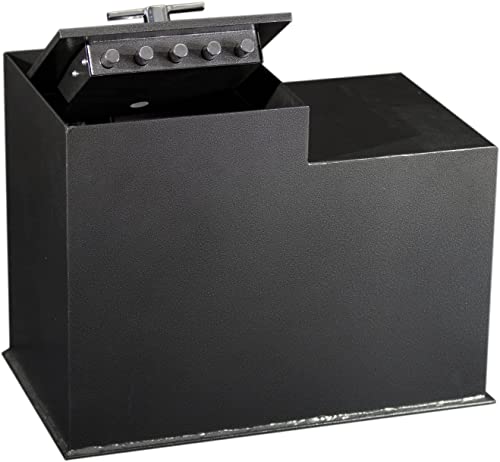
Best for: Homeowners needing extra-large interior space and strong concealment. The IF-3000C installs flush in concrete, creating a concealed, theft-resistant vault beneath the floor. Its solid steel construction includes a carburized hard plate to protect the locking mechanism, adding an extra layer of defense against drilling attempts. The interior width accommodates cash, jewelry, and documents. Choose this if you want maximum internal capacity with enhanced on-site concealment, but be aware of professional installation requirements.
Barska 0.22 Cu. Ft. Hidden Floor Safe

Best for: Budget-conscious buyers needing hidden storage for small valuables. This Barska model sits level within the floor, offering a concealment advantage. It features solid construction with two built-in pry-resistant steel deadbolts and comes with two keys. Use this option if you want a compact, straightforward installation and simple access, but consider that its interior space is limited compared to larger in-ground safes.
Protex IF-1212SC II Floor Safe

Best for: Those needing a reliable underground safe with a robust locking system. The IF-1212SC II uses a 1/2″ A36 solid steel door with a direct-drive lift-out mechanism. It also features a 5″ x 5/8″ drop slot with anti-fish baffle and a convenient lift handle. Opt for this model to balance strong steel construction with practical access, but note that its interior space is more compact than the largest in-ground safes.
Stealth B1500D In-Ground Floor Safe
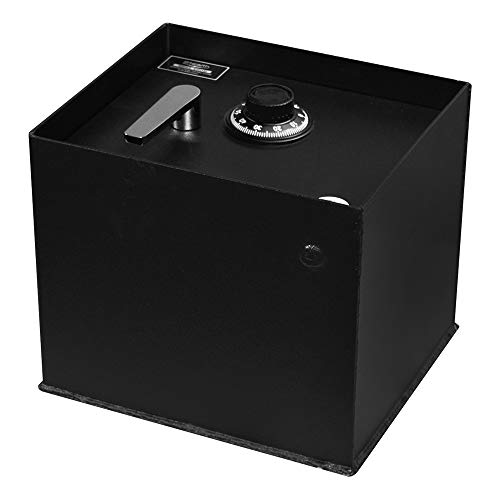
Best for: Users seeking high-security mechanical locking with reinforced steel construction. The B1500D features a 1/2″ thick solid steel plate door, a 12-gauge steel body, and three large 1″ locking bolts with a bolt detent and brushed nickel handle. The UL-rated S&G mechanical lock adds a recognized security standard. Choose this if you want reliable mechanical security and a proven design; be mindful of the mechanical key system if you require electronic access features.
Stealth B2500D In-Ground Floor Safe
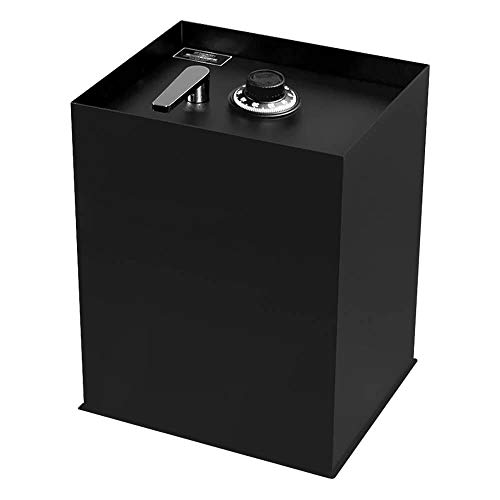
Best for: Homeowners needing high-security protection with a mechanical lock. The B2500D mirrors Stealth’s high-security approach: a 1/2″ thick steel door, a 12-gauge body, and three massive 1″ bolts with relocker and bolt detent. It is UL-approved with a S&G mechanical lock, protected by a hard plate. Choose this if you want a robust, high-security option; avoid if you require battery-powered access or smart-lock features.
Buying Guide: Key Purchase Considerations
- Security mechanism: Decide between mechanical vs electronic locks. Mechanical locks are durable and low-maintenance, while electronic locks offer quicker access but may require power or batteries.
- Door thickness and steel grade: Look for at least 1/2″ thick solid steel doors and 12-gauge or thicker bodies for better resilience against tampering.
- Hard plate protection: A carburized or hard plate over the locking mechanism adds anti-drill protection and extends the safe’s life in a concealed install.
- Installation considerations: In-floor safes require concrete-cutting and flush mounting. Professional installation ensures proper clearance and concealment.
- Interior space vs footprint: Larger interiors accommodate more valuables, but larger units require more floor space. Balance capacity with concealment needs.
- Concealment and concealment laws: Ensure the floor safe remains hidden under normal flooring to deter theft while complying with building standards.
- Access and maintenance: Consider how often you’ll access the safe and whether replacement components (keys, locks) are readily available from the manufacturer.
FAQ
- What is the primary advantage of an in-ground floor safe?
They provide concealment and deter theft due to being flush with the floor and hidden from sight. - Are mechanical locks better than electronic locks for in-ground safes?
Mechanical locks are typically more rugged and maintenance-free long-term, while electronic locks offer quick access but require power or batteries. - What should I look for in steel construction?
Look for at least 1/2″ thick steel doors, heavy bodies (12-gauge or thicker), and drill-resistant plates over the locking mechanism. - Can these safes be installed in any type of floor?
Most are designed for concrete floors and require professional installation for proper concealment and security. - Is interior space important?
Yes. Choose a model with enough interior room for your valuables while ensuring it still sits flush and concealed. - Do in-floor safes meet safety or building codes?
They typically comply with general burglary-protection standards, but check local codes and any HOA or building requirements.