When outdoor cats need shelter from wet weather, cold winds, and predators, a sturdy, weatherproof cat house is essential. Here is a curated guide to five reliable options that balance insulation, durability, and practical design. Each pick prioritizes safety, ease of assembly, and comfort, making them suitable for stray, feral, or outdoor indoor cats.
Summary of Selected Products
- Bedsure Weatherproof Outdoor Cat House – Extra Wide Insulated Feral Cat Shelter
- Heated Cat Shelter for Outside – Large Outdoor Cat House by Banxye
- K&H Pet Products Extra-Wide Outdoor Cat House – Weatherproof and Insulated
- Tepoal Large Plastic Heated Cat House – Elevated, Weatherproof, Safe Escape
- Chewlish Outdoor Heated Cat House – Winter Ready with Magnetic Escape Door
Bedsure Weatherproof Outdoor Cat House
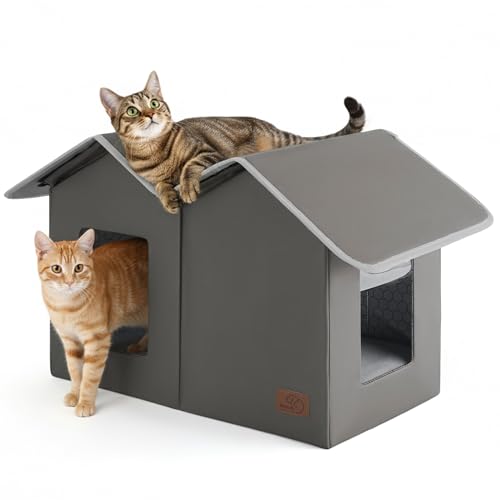
The Bedsure model is designed to shield outdoor cats from rain and moisture with a waterproof exterior. Its raised base helps keep the interior dry by isolating it from ground moisture. The inner honeycomb fabric reflects body heat to help retain warmth, providing insulation without electricity. This setup is well-suited for feral or stray cats that need a dry, warm hiding spot during colder months.
Key features include a rainproof exterior, moisture-protective base, and heat-reflecting insulation. The design emphasizes weatherproof performance without requiring power, making it a practical choice for yards, porches, or barn corners where cats seek shelter.
Banxye Heated Cat Shelter – Large Outdoor House
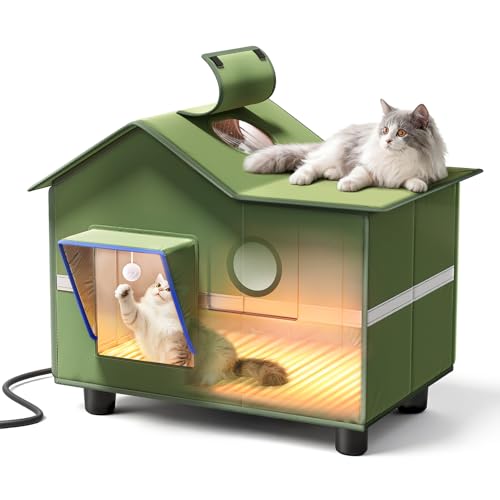
This heated shelter offers extra room for larger cats or multiple felines, with a weatherproof roof and a raised base to stay dry. It includes removable PVC door flaps and a windproof frame, plus stability straps for strong winds. The design also features two exits with magnetic closures and an ETL-certified heated pad that automatically shuts off if overheating occurs, balancing warmth with safety for outdoor use.
K&H Pet Products Extra-Wide Outdoor Cat House
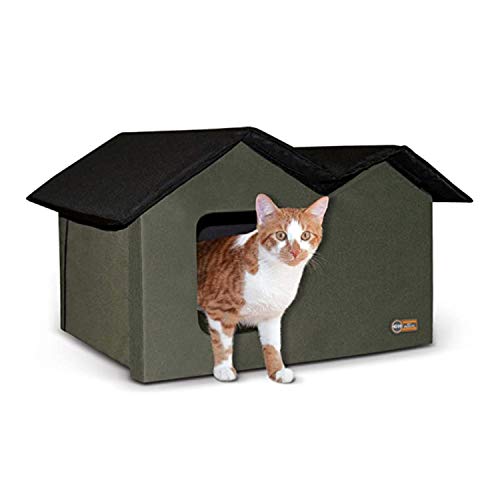
The K&H design emphasizes comfort and weather resistance for outdoor cats and feral populations. The exterior uses heavy denier polyester for durability against the elements. It includes two removable door flaps to protect cats during winter, along with an easy-clean removable floor pad to simplify maintenance in harsh weather conditions.
Tepoal Large Plastic Heated Cat House

This large, weatherproof heated shelter is built to accommodate 2-3 cats. It features a transparent magnetic safety door for visibility and safety, plus double-layer insulation panels to minimize cold air exchange. Aimed at feral and community cats, the design prioritizes protection from wind and moisture while maintaining a dry interior.
LHBcraft Outdoor Cat House Weatherproof (Resin)

Made from weather-resistant resin, this shelter aims to withstand rain and harsh outdoor conditions. Ventilation ports, an emergency escape hatch, and a sloped roof help keep the interior dry and comfortable. The side windows double as escape routes, while the low-maintenance exterior resists dirt and odors, making it suitable for backyards and patios.
LHBcraft Camera-Style Outdoor Cat House

This resin shelter features a distinctive camera-shaped design, offering a weatherproof, scratch-resistant exterior. It blends indoor/outdoor aesthetics with practical durability. It’s well-suited for cats that require a secure, quiet refuge while remaining visually unobtrusive in garden or terrace spaces.
Chewlish Outdoor Heated Cat House

Chewlish combines warmth and weather resistance with a practical magnetic escape door for outdoor cats. It uses a thermostatic heating pad to maintain warmth inside, even in chilly conditions, while an extended eave and waterproof layer help keep the interior dry. The structure also includes ground stakes for stability in exposed areas.
Buying Guide: How to Choose The Right Outdoor Cat House
- Weatherproofing and insulation: Look for waterproof exteriors, raised floors, and insulating materials that minimize heat loss without requiring electricity. For cold climates, heated options provide continuous warmth, but ensure automatic safety features like shut-off thermostats.
- Size and capacity: Consider how many cats you need to shelter and choose a model with a roomy interior or multiple exits to prevent overcrowding and provide escape routes from predators.
- Ventilation and moisture control: Adequate ventilation prevents humidity buildup, which can lead to mold and cold drafts. Shelters with sloped roofs and breathable materials perform better in rain and snow.
- Durability and materials: Resin, heavy-denier fabrics, and reinforced roofs extend life in harsh environments. Materials should resist scratching, fading, and cracking from sun exposure.
- Security features: Two exits, magnetic or spring-loaded doors, escape hatches, and chew-resistant wiring contribute to the safety of outdoor cats against weather and potential intruders.
- Portability and storage: Foldable or lightweight designs are easier to move for sun/shade changes or seasonal storage. Consider models with detachable bases or panels for cleaning.
- Maintenance: Removable floors, washable cushions, and wipe-clean exteriors simplify upkeep. Look for materials that resist odor and are easy to sanitize between uses.
- Assembly and installation: Quick-assembly shelters with clear instructions save time. Ground stakes, straps, or windproof features ensure stability in windy regions.
When choosing an outdoor cat house, balance warmth, dryness, and security with ease of use. For areas with freezing temperatures or heavy precipitation, heated options combined with waterproof exteriors and raised bases tend to perform best. In milder climates, water-resistant, well-ventilated shelters may suffice while offering lower maintenance. Consider where the shelter will be placed—porch, barn, or yard—and select a model with appropriate mounting or anchoring features to minimize movement during storms.