Looking for a full body harness with an integrated tool belt? This guide highlights five top options that balance comfort, adjustability, and tool-carrying ability. Best for construction crews, roofing teams, and industrial workers who need hands-free access to tools while staying secure, these harnesses emphasize breathable materials, durable hardware, and practical attachment points. Each pick is evaluated for who it’s best for and why it stands out.
Summary of selected products
| Product | Best For | Key Benefit |
|---|---|---|
| Frontline 110CTB Combat Full Body Harness | All-day wearers needing lightweight aluminum hardware | Moisture-wicking pads and bright reinforced stitching |
| 3M Protecta Comfort Full Body Positioning Harness | Budget-conscious professionals needing standard safety features | Easy-Link web adapter and auto-resetting lanyard keeper |
| Frontline Combat Full Body Harness (New Styles) | Users preferring hi-visibility stitching | Five-point adjustability for snug fit |
| AFP Full-Body Premium Safety Harness | Long shifts with heavy tool use | 8” back support belt and adjustable, rugged webbing |
| Palmer Safety Full Body 5-Point Harness | Versatile tool-carrying with removable belt | Removable tool belt and sturdy D-rings |
Frontline Frontline 110CTB Combat Full Body Harness

This full body harness uses moisture-wicking back, shoulder, and waist pads for better breathability during long shifts. It is constructed with high tenacity black polyester webbing and safety orange stitching, aiding quick visual inspection. The version highlighted here is noted for being among the lightest in its class due to aluminum hardware, which can reduce fatigue over extended wear. Best for: workers who prioritize lightweight design and clear inspection visibility. Caution: aluminum parts require careful inspection to ensure no bending or wear that could compromise strength.
3M Protecta Comfort Positioning Harness

This harness emphasizes comfort and practicality with features like an Easy-Link web adapter and an auto-resetting lanyard keeper, plus impact indicators. It’s a solid option for professionals who want straightforward setup and reliable positioning during daily tasks. Best for: workers who value simple, effective positioning with easy adjustments. Caution: limited feature set compared to premium models; not all versions include a full tool belt integration.
Frontline Combat Full Body Harness (New Styles)

This Frontline model features 5-points of adjustability, ensuring a snug and comfortable fit for varied body types. The same breathable, moisture-wicking pads and contrasting stitching support comfort and inspection ease. Best for: users who want a highly adjustable fit and clear visual inspection cues. Caution: ensure proper size selection to maximize comfort and safety.
AFP Full-Body Premium Safety Harness

AFP offers an upgraded comfort experience with vented mesh pads, water-wicking materials, and a thick back support belt. It includes hi-visibility lime stitching and a molded easy-link SRL adapter for simpler SRL attachments. Best for: workers on long projects who carry tools and need extended back support. Caution: premium padding increases weight slightly and may affect overall mobility in tight spaces.
Palmer Safety Full Body 5-Point Harness

This 5-point harness offers reliable protection with a heavy-duty back support and a removable tool belt. D-rings include dorsal and hip positions, supporting a range of fall protection setups. Best for: users who need a modular belt system for easy tool access. Caution: ensure the belt reattaches securely after tool changes to avoid slippage during work.
Trsmima Safety Harness Fall Protection

Trsmima’s harness features ergonomic padding with elastic loops for tool suspension and 5-point adjustability with quick-connect buckles. It includes dorsal and side D-rings for fall arrest and travel restraint, with a high breaking strength indicated. Best for: workers needing flexible tool management and quick adjustments. Caution: ensure the elastic tool loops are sufficient for your typical tool load to avoid sagging or interference.
3M ExoFit X300 Comfort Harness
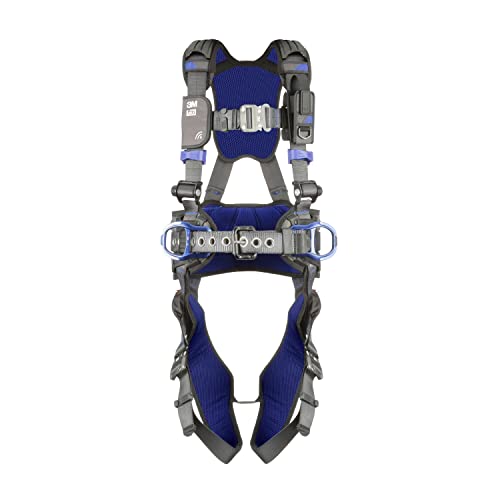
ExoFit X300 combines comfort padding with hip and back D-rings for positioning and tool carrying. It uses auto-locking quick-connect chest and leg buckles for secure donning with minimal re-adjustment. Best for: professionals who value quick, secure donning and integrated positioning options. Caution: may be bulkier than lighter-duty harnesses, which could affect mobility in tight spots.
Buying Guide
What should you consider when choosing a full body harness with a tool belt?
- Fit and adjustability: Look for five-point adjustments, easily accessible buckles, and clear sizing to ensure a snug fit that minimizes movement during work.
- Comfort features: Breathable pads, moisture-wicking materials, and back support belts reduce fatigue on long shifts.
- Tool-belt integration: Decide if you need a removable belt or a built-in pouch system. Consider the belt’s weight capacity and how it affects balance.
- Durability and materials: Aluminum hardware reduces weight; high-tenacity webbing and reinforced stitching improve longevity in harsh environments.
- Attachment points: D-rings at the dorsal, hip, and side positions enable diverse fall arrest and work positioning scenarios.
- Inspection and visibility: Color contrast stitching and hi-visibility features help with quick inspections and safety checks.
FAQ
- What is the difference between a full body harness and a positioning belt?
– A full body harness provides fall arrest, while a positioning belt prioritizes waist-level positioning. Many models combine both features, but check for the presence of dorsal D-rings and five-point adjustability for fall protection combined with tool-carrying capabilities. - Is aluminum hardware safer than steel?
– Aluminum is lighter, reducing fatigue, but steel D-rings and buckles can offer higher fatigue resistance in demanding environments. Check the product’s specifications and inspection requirements. - Do all harnesses accommodate a tool belt?
– Some models include integrated tool belts or lanyard keepers. If you need significant tool access, look for extra loops, belt stability, and compatibility with SRLs. - How important are breathable pads?
– Breathing padding reduces heat buildup and chafing, improving comfort on long daily wear and in warm conditions. - What should I inspect before use?
– Inspect webbing for tears, buckles for smooth operation, D-rings for deformation, and padding for wear. Ensure the color-contrasted stitching remains visible for quick safety checks. - Can these harnesses be used with other fall protection equipment?
– Yes, many harnesses support SRLs and compatible lanyards. Verify compatibility with your company’s safety plan and regional regulations.