If you’re seeking lightweight, durable, and authentic-looking stone alternatives, finished stone composite panels are the answer. This guide highlights five top options ideal for DIYers, homeowners upgrading exteriors, or interior designers seeking a real stone feel without heavy weight. Each pick is evaluated for ease of installation, texture, and best-use scenarios to help you choose the right panel system for your project.
Summary of selected products at a glance:
- AZ Faux Sedona High-Density Polyurethane Stone Wall Panels (2″ thick, 3-panel pack) — Best for quick, cost-effective interior or exterior accent walls.
- KASARO 3D Faux Stone Wall Panels (4 panels) — Best for dramatic 3D texture and feature walls with simpler install.
- Stacked Stone Siding Panels by Tando (Glacier Bay) — Best for no-mortar exterior siding with interlocking design.
- AZ Faux Cambridge Gray 1-Pack — Best for targeted, single-panel upgrades and accent pieces.
- Tando Stacked Stone Composite Exterior Siding Panels – Sedona Bluff — Best for authentic stacked-stone look on larger exterior projects.
AZ Faux Sedona High-Density Polyurethane Stone Panels — 3-Panels

Best for: Homeowners seeking a ready-to-assemble, cost-effective stone look for both indoor and outdoor applications. The kit includes three panels, making it suitable for feature walls or small exterior facades. Its light weight supports easy handling and installation with basic tools.
Why selected: These panels weigh about 75% less than real stone and are hand-painted to mimic natural stone. The included touch-up paint kit helps address minor blemishes after installation, supporting a clean finish without heavy labor.
Limitations: As a faux stone product, long-term fade resistance can vary with sun exposure; consider additional protective coatings or placement away from direct, intense sunlight for extended longevity.
KASARO 3D Faux Stone Panels — 4 Pack

Best for: Interiors aiming for a bold texture on feature walls, offices, or entertainment rooms. The 4-panel set covers a large area and creates a dramatic cement-like depth with a modern character.
Why selected: The 3D depth and realistic texture provide a strong focal wall with fewer panels and less complexity. They are lightweight, moisture-resistant, and simple to maintain, which suits fast remodels or accent-wall projects.
Limitations: The cement texture look may read more modern industrial; plan decor elements to harmonize with the panels for a cohesive space.
Tando Glacier Bay Stacked Stone Siding Panels — 50 Sq Ft
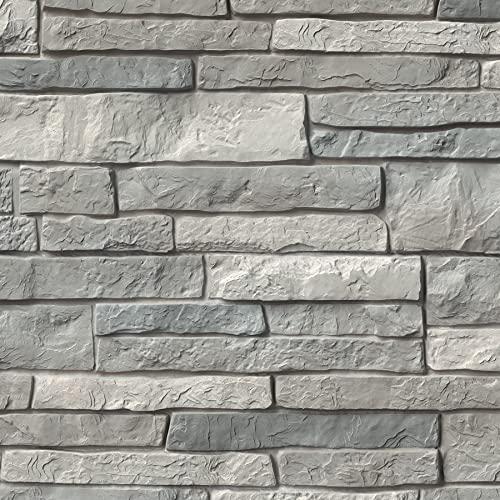
Best for: Exterior siding upgrades or new facades where a lightweight, mortar-free solution is preferred. The interlocking design enables fast installation with standard tools, avoiding heavy masonry work.
Why selected: This option delivers a premium stone appearance with a no-mortar, interlocking system that speeds up projects for contractors and DIYers alike. Its lightweight composite construction is well-suited to exterior upgrades where weight is a concern.
Limitations: Exterior panels require proper weatherproofing and substrate preparation; ensure compatibility with your home’s climate and cladding plan.
AZ Faux 1-Pack Cambridge Gray Stone Panel

Best for: Quick upgrades to single walls, fireplace surrounds, or accent niches. The 1-pack is ideal for targeted improvements without committing to a full panel kit.
Why selected: Lightweight and easy to install, these panels offer a realistic stone look with a simple cut-to-size approach. The color Cambrige Gray provides a versatile neutral backdrop for various interior styles.
Limitations: Limited coverage per pack means more planning for larger spaces; additional packs may be needed for bigger projects.
Tando Stacked Stone Composite Panels — Sedona Bluff

Best for: Exterior siding projects where an authentic stacked-stone appearance is desired, combined with a lightweight, durable composite framework. Suitable for ground-level installation and rain-prone areas due to moisture resistance.
Why selected: Tando’s Sedona Bluff color offers natural variation and a traditional stacked-stone look. The lightweight, interlocking panels simplify installation and reduce labor time for exteriors.
Limitations: Like other exterior panels, ensure proper substrate preparation and color maintenance to prevent weathering effects over time.
Buying Guide: Stone Composite Panels For Your Project
- What is your primary use? interior feature wall, exterior siding, or a fireplace surround. Interior panels focus on aesthetics and texture; exterior panels emphasize weather resistance and installation speed.
- How much weight can you handle? Lightweight polyurethane composites are easier to install and handle, especially for DIY projects.
- How large is your surface area? Larger jobs benefit from multi-panel sets that cover more area with fewer seams, while single panels work for targeted accents.
- What maintenance do you expect? Most panels are low maintenance, but color fading and cleaning requirements vary with sun exposure and dirt accumulation.
- What tools and installation method do you prefer? Interlocking systems and cut-to-size panels reduce the need for mortar and heavy equipment.
- What climate considerations apply? Exterior panels should resist moisture, UV exposure, and temperature swings; check product specifications for moisture resistance and warranty terms.
Frequently Asked Questions
- Are stone composite panels waterproof? Many panels are moisture-resistant and designed for exterior use, but always verify manufacturer specifications for water exposure and sealing requirements.
- Do I need mortar for these panels? Most modern panels use interlocking or simple screw installation, eliminating mortar in many applications.
- Can panels be installed over existing surfaces? Yes, many panels are designed for retrofit applications, provided the existing substrate is clean, flat, and structurally sound.
- How long do these panels typically last? Durability depends on climate and maintenance; high-quality PU panels can last many years with proper care.
- Is professional installation necessary for exteriors? While many DIY-friendly panels exist, larger exterior projects may benefit from professional installation for precise alignment and sealing.