Looking for an easy-to-use rototiller that makes soil prep quick and simple? This guide highlights five beginner-friendly models that balance power, weight, and maneuverability for small to medium plots. Each pick is suitable for gardeners who want reliable performance without a heavy, complex machine. The top options include corded electric tillers for predictable power, and cordless models for garden beds and raised beds where outlets aren’t convenient. Below, compare the best picks and find the right fit for your space and experience level.
Summary table of selected products:
| Product | Power Source | Working Width | Depth | |
|---|---|---|---|---|
| Steelite 16-Inch Corded Electric Tiller | Electric (Corded) | 16 inches | Up to 8.7 inches | Heavy soil, larger beds |
| Steelite 14-Inch Corded Electric Tiller | Electric (Corded) | 14 inches | Up to 8.7 inches | Medium beds, lighter soils |
| 24V Cordless Garden Tiller (2 Batteries) | Cordless (24V) | 4 inches | Up to 10 cm (~4 inches) | Raised beds, tight spaces |
| Cordless Tiller Cultivator (6.7″ Depth) | Cordless | 4 inches | Up to 3.5 inches | Lightweight tasks, easy handling |
| Lightweight 24V Cordless Garden Tiller (Dual Batteries) | Cordless (24V) | 4 inches | Up to 4 inches | For seniors, beginners, small gardens |
Steelite 16-Inch Corded Electric Tiller

Motor and performance: 13.5 Amp motor powers a 16-inch working width with up to 8.7 inches of cutting depth. This helps break through tough soil efficiently for substantial garden prep.
Construction and operation: Six steel tines are designed for durability and quick soil cultivation, reaching speeds up to 380 RPM. The foldable handle makes storage and transport easier for gardeners with limited space.
Who it’s best for: This model suits homeowners with medium-to-large beds and heavier soil that need reliable, consistent power in a corded format. Choose this if you value broader working width and strong depth capability.
Caution: Being corded, available mobility is limited by outlet access. Plan extension cord routing and safety to avoid cord damage during use.
Steelite 14-Inch Corded Electric Tiller

Power and width: A 10 Amp motor with a 14-inch working width delivers efficient soil cultivation and a depth up to 8.7 inches, suitable for mid-sized beds.
Durability and storage: Four steel tines provide long-lasting performance, with a foldable handle for compact storage in small spaces.
Who it’s best for: Ideal for gardeners who need a lighter corded option with good depth and a compact footprint for smaller plots or container gardens.
Caution: Slightly narrower width means more passes may be needed on larger beds compared to the 16-inch model.
24V Cordless Garden Tiller (2 Batteries)

Power and runtime: 235 RPM motor delivers steady torque for breaking through compact soil. It tills up to 10 cm deep with four reinforced steel tines for deeper, faster cultivation.
Battery system: Includes two high-capacity batteries, offering up to 90 minutes of combined runtime. Built-in protection helps prevent overheating and short circuits for durability.
Who it’s best for: Best for gardeners working in spaces without outlets or who prefer a cordless approach for raised beds or small plots.
Caution: Cordless models typically have shorter run times on very dense soil; plan for multiple battery swaps if extended sessions are needed.
Handheld Tiller Cultivator 42.7Cc Gas
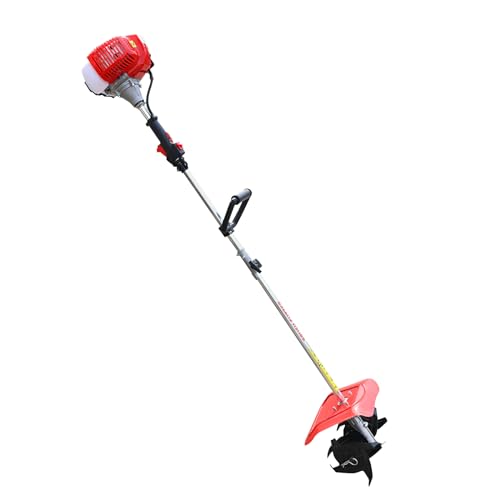
Power and versatility: A 42.7cc two-stroke engine with 9-inch tilling width and 3.5-inch depth. High rpm enables rapid soil loosening in small plots.
Design and use: Ergonomic handle with a rubber sleeve, and a reverse-start feature for easier starting. Designed for simple operation for beginners and experienced users alike.
Who it’s best for: Better for gardeners needing more immediate power in a compact gas-powered unit, especially where corded options aren’t practical.
Caution: Gas engines require fuel handling and regular maintenance; heavier than electric models and may be louder.
Lightweight 24V Cordless Garden Tiller (Dual Batteries)

Portability and ease of use: Weighing around 1.2 kg, this model targets beginners, seniors, and people seeking easy handling for flower beds and small gardens.
Performance: A 235 RPM copper motor with four tines delivers efficient tilling for 4 inches of depth and width, suitable for light to medium tasks.
Who it’s best for: An excellent choice for users prioritizing lightweight operation and simple maneuverability, especially in smaller spaces.
Caution: Limited depth and width may require more passes in dense or clay soils; consider soil conditions before choosing.
Buying Guide: Easy To Use Rototillers
What size should you choose?
For small beds or containers, a 4-inch to 6-inch tilling width is usually sufficient and easier to manage. For mid-sized plots, a 14-16 inch model speeds up preparation. If you have heavy, clay soils or plan on larger plots, a model with deeper tilling capability (up to 8 inches or more) can be worth the extra weight.
Power source considerations
Corded electric tillers provide reliable, strong power for steady performance but require proximity to an outlet and extension cord management. Cordless models offer freedom of movement and are ideal for raised beds or places far from outlets, though runtime depends on battery capacity. Gas-powered tillers deliver substantial power and depth but are heavier and noisier, with ongoing fuel and maintenance requirements.
Weight and maneuverability
Lightweight designs reduce user fatigue and improve handling, especially for beginners. Foldable handles and compact storage features help with space constraints. When you expect frequent transport, prioritize models with lighter weight or integrated wheels if available.
Durability and maintenance considerations
Look for durable tines (steel or hardened steel) and a simple mechanism for tine replacement. Foldable handles are beneficial for storage, and reliable safety features reduce risk during operation. Gas engines require routine maintenance, while electric and cordless units mostly need battery care and occasional cleaning.
Which features matter most for you?
- Working width and depth for your bed size
- Power source compatibility with your space
- Weight and grip comfort for longer sessions
- Storage practicality and maintenance needs
FAQ
- What is the easiest rototiller for beginners?
Electric cordless models with a light weight and simple controls are typically easiest for first-time users. Look for models with foldable handles and straightforward depth settings.
- Do I need a tiller with a high RPM?
Higher RPM can improve soil penetration, but the most important factor is tine design, depth capability, and suitable width for your bed size. Balance RPM with durability and weight.
- What maintenance is required for an electric tiller?
Keep tines clean, check for loose hardware, and store with the power cord safely secured (cordless models: charge and store batteries properly). Regularly inspect tines for wear.
- Is a gas tiller better than an electric one?
Gas tillers offer strong power and no outlet dependency but are heavier and louder, requiring more maintenance. Electric models are cleaner and quieter for most home gardens.
- Can I till right before planting?
Yes, but avoid tilling when soil is too wet to prevent compaction. Allow soil to dry slightly for best results and mix in compost for improved soil structure.
- What size tiller should I buy for raised beds?
For raised beds, a smaller 4-6 inch width is often enough and easier to maneuver in tight spaces. Consider cordless options if outlets are not nearby.