David Austin roses are renowned for their classic charm, rich fragrance, and reliable performance in home gardens. This guide highlights five well-suited options for cutting, offering own-root plants in one-gallon containers that are hardy across multiple growing zones. Each selection emphasizes strong bloom production, true-to-type varieties, and outdoor resilience, helping you cultivate bouquets that stay vibrant from bud to bloom. Read on to compare features, ideal climates, and care notes for practical, year-round cutting garden success.
| Product | Breeding Brand | Hardiness Zones | Container |
|---|---|---|---|
| Golden Celebration Yellow | Heirloom Roses | 5-10 | One Gallon |
| Tranquillity White | Heirloom Roses | 5-11 | One Gallon |
| Wollerton Old Hall Apricot | Heirloom Roses | 5-9 | One Gallon |
| Queen of Sweden Pink | Heirloom Roses | 5-10 | One Gallon |
| The Pilgrim Yellow | Heirloom Roses | 5-10 | One Gallon |
Golden Celebration Yellow Rose Plant
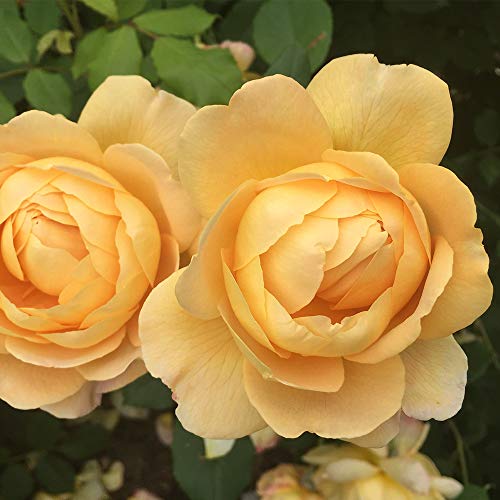
The Golden Celebration yellow rose from Heirloom Roses is presented as an own-root plant, designed to deliver robust blooms and strong vigor across seasons. Being own root, the plant is less prone to graft-related decline and tends to stay true to its variety for the long term. Delivered in a one-gallon container, this 12- to 16-month-old plant arrives with healthy soil to support immediate establishment. Its hardiness range spans zones 5 through 10, making it adaptable to a broad portion of American gardens. This cultivar is prized for bright yellow color and reliable repeat flowering, ideal for fresh-cut arrangements that brighten any bouquet.
Tranquillity White Rose Plant

Tranquillity is a pure white David Austin rose that brings elegance to cut bouquets with its refined blossoms and balanced fragrance. As an own-root plant, it emphasizes resilience and prolific bloom production, which is particularly valuable for gardeners seeking frequent harvests. The one-gallon container ensures a ready-to-plant option, with age and soil conditions optimized for quick establishment. Suitable for zones 5 through 11, Tranquillity offers a cool-toned contrast for whites and pastels in mixed arrangements, pairing well with bolder colors for sophisticated, timeless stems.
Wollerton Old Hall Apricot Rose Plant

The Wollerton Old Hall Apricot rose offers warm-toned petals with a soft, nostalgic hue ideal for mixed-cut arrangements. This Heirloom Roses selection is grown on its own roots, encouraging stronger re-bloom and resilience. Delivered in a one-gallon pot, the plant is typically 12 to 16 months old, with soil that supports quick establishment in the garden. Its hardiness range spans zones 5 through 9, making it a versatile choice for many American climates. Apricot tones can complement pinks, creams, and reds in bouquets, adding warmth without overpowering other stems.
Queen of Sweden Pink Rose Plant

Queen of Sweden Pink is a vibrant pink David Austin bloom known for its lush, multi-petaled form and reliable cutting performance. The own-root stock enhances vigor and enduring bloom cycles, complementing the one-gallon container packaging. Hardiness zones 5 through 10 make it a flexible choice for many home gardens, ensuring plant health in diverse climates. This cultivar adds a classic rose silhouette to bouquets, providing substantial stems and a strong focal point for arrangements that require a touch of romance and tradition.
The Pilgrim Yellow Rose Plant

The Pilgrim is a classic David Austin yellow rose with a strong, sunny hue and reliable cutting performance. As an own-root plant, The Pilgrim is designed for steady bloom production and improved hardiness, helping it withstand typical garden conditions. The plant is delivered in a one-gallon container and is suitable for zones 5 through 10. Its bright color and familiar David Austin form make it a versatile choice for vibrant bouquets, working well as a dominant yellow stem or in lively color contrasts with reds and pinks.
Buying Guide: How to Choose David Austin Cutting Roses
When selecting David Austin roses for cutting, consider the following factors to optimize bouquet quality and garden performance:
- Own-root versus grafted: All listed selections here are described as own-root, which generally translates to stronger root systems, better heirloom traits, and long-term vigor compared to grafted roses. If you see grafted options, expect potential variability in bloom repeat and winter hardiness.
- Hardiness zones: Choose varieties that fit your local climate. The featured cultivars cover zones 5 through 11, offering options for many American regions, from cooler to warmer environments.
- Color choices for arrangement balance: For classic bouquets, pair yellows like Golden Celebration and Pilgrim with whites (Tranquillity) or pinks (Queen of Sweden) to create visual harmony and contrast in stems, buds, and blooms.
- Bloom size and stem length: For cutting, longer stems with multiple blooms per stem are desirable. David Austin varieties typically provide strong stems with elegant blooms suitable for centerpiece-quality arrangements.
- Container size and establishment: All items are delivered in one-gallon pots, which typically allow for quicker establishment. Provide well-draining soil and a position with adequate sun (at least 6 hours daily) to encourage robust growth and frequent flowering.
- Maintenance considerations: Regular feeding with balanced rose fertilizer, consistent pruning after the first major flush, and moisture management help maximize bloom production and vase life.
- Seasonality and harvest planning: Plan cuts to align with peak bloom times, usually in late spring through early fall for many David Austin varieties. Stemming and conditioning techniques will influence how long a cut bloom lasts in a vase.
All selected varieties emphasize ornamental appeal and cutting performance, making them suitable for hobby gardeners and small-scale florists alike. By choosing own-root cultivars with broad hardiness ranges, you can expect reliable growth, strong bloom cycles, and long-lasting bouquets that bring classic English garden charm into your home.
Additional Considerations for a Cutting Garden
- Soil health and pH: David Austin roses prefer well-draining loam with a slightly acidic pH around 6.0 to 6.5. Improve soil with organic matter before planting to support nutrient uptake and microbial activity.
- Irrigation strategy: Deep, infrequent watering encourages deep rooting. Water at the base to prevent foliar diseases that thrive in damp, crowded foliage.
- Spacing and airflow: Provide adequate spacing between plants to improve air circulation, reducing disease pressure and improving stem quality for cutting.
- Pest and disease monitoring: Regularly inspect for aphids, black spot, and powdery mildew. Early intervention with targeted controls keeps canes healthy and bloom quality high.
- Winter care: In colder zones, protect crowns with mulch or dormant barrier methods to preserve vigor for the next growing season.