Top picks for classic fly tying materials tailored to both beginners and seasoned tier enthusiasts. This guide explains who each product is best for, what makes it stand out, and practical tips to choose the right supplies for nymphs, wets, and streamers. The featured items emphasize natural textures, versatile colors, and reliable performance across common freshwater patterns.
Buyer’s quick reference table
| Product | Best For | Why It Stands Out |
|---|---|---|
| Hareline Dubbin Hareline Fly Tying Dark Hare’s Ear | Nymphs and wets | Classic dubbing with natural texture |
| Ghanneey 25 Colors Fly Tying Materials | Experimenting with color patterns | Vibrant silicone rubber threads, eco-friendly |
| Hareline Fly Tying Wooly Bugger Marabou – Olive | Bugger patterns | Soft, natural movement |
| Semperfli Classic Waxed Thread 12/0 | General fly bodies and wraps | Waxed for strength, easy to split |
| Fly Tying Materials 12 Colors Krystal Flash Ripple | Flashes and accents | Holographic color and 3-D effect |
Hareline Dubbin Dark Hare’s Ear Dubbing

Best for: Nymphs and wets that require a natural, textured body. This classic dubbing material provides a consistent feel and realistic texture, making it a staple for traditional dubbing work.
Why selected: The natural texture closely mimics live hare’s fur, giving body and movement to flies without excessive bulk. It’s a reliable choice for anglers who prefer time-tested dubbing materials.
Limitations: May require blending with other dubbing to achieve very fine or ultra-soft profiles for certain nymph patterns.
Ghanneey 25 Colors Fly Tying Materials

Best for: Colorful lures and experimental patterns. A 25-color silicone rubber kit offers abundant color options for customizing streamers and nymphs.
Why selected: The material is high-quality, non-toxic, and eco-friendly, with elasticity that takes color and texture well. It supports enhancements like glitter, glow powders, or aroma to increase lure appeal.
Limitations: Silicone threads can be bulkier for small nymphs or delicate bodies; best used where those effects are desired.
Hareline Fly Tying Wooly Bugger Marabou – Olive

Best for: Bugger patterns that need natural movement and soft fibers. Olive is a versatile color for many waters and water temperatures.
Why selected: The natural marabou fibers provide a lifelike wiggle and flow in the water, enhancing allure for a variety of fish species.
Limitations: Very long or heavy tails may require trimming to suit specific patterns and water conditions.
Semperfli Classic Waxed Thread 12/0
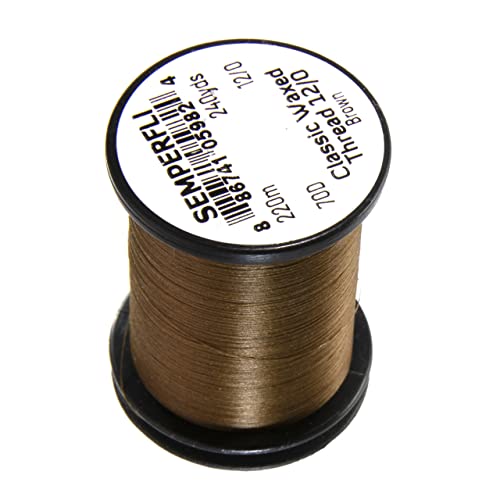
Best for: Fly bodies, tails, and wraps where a strong, smooth thread is needed. The waxed finish improves durability and control during tying.
Why selected: The thread is lightly waxed and noted for being stronger than comparable threads, with easy splitting for precise ribbing or shaping. It supports consistent ties across patterns.
Limitations: For ultra-fine bodies, consider splitting to achieve finer coverage and avoid bulk in small patterns.
Krystal Flash Ripple 12 Colors

Best for: Flashes and accents on various fly patterns, especially when a subtle 3-D effect is desired without adding bulk.
Why selected: This material offers holographic color effects that create depth and attraction in the water. It remains stable in saltwater and maintains buoyancy attributes suitable for many patterns.
Limitations: The flash can overpower delicate wing or body work if used in excess; use sparingly for best balance.
BBTO 12 Pieces Fly Tying Materials

Best for: Bulk color variety and value for beginners or club tiers. The set includes 12 colors with a robust chenille texture for durability.
Why selected: The assortment supports daily use and sharing within a group, making it a practical choice for entry-level tiers building a varied palette.
Limitations: The set is generic; for specialized patterns, you may want to supplement with pattern-specific materials in finer textures.
Buying Guide: Classic Fly Tying Materials
What matters most when choosing materials?
Material type affects body shape, movement, and durability. Natural textures like dubbing and marabou provide realism, while synthetics like silicone threads and Krystal Flash add color, flash, and resilience. Consider the fly pattern you intend to tie and the target fish species.
Color and texture considerations
Color depth can influence strike triggers in clear water versus murky water. Pair natural tones with brighter accents for visibility. Textures should match hook size and pattern complexity; avoid excessive bulk on small patterns.
Durability and ease of use
Waxed threads improve wrapping control and longevity. Dubbing and marabou should be handled with care to prevent fraying. For beginners, starter kits with multiple colors help build confidence before investing in specialty materials.
Environment and safety
Choose non-toxic and eco-friendly options when possible to minimize impact on aquatic life. Silicone-based materials generally offer good durability and a wide color range with lower risk of rotting fibers over time.
Practical comparison tips
- Best for realism: Hareline dubbing and marabou.
- Best for color variety: Ghanneey silicone bundles.
- Best for strong wraps: Semperfli waxed thread.
- Best for flash accents: Krystal Flash Ripple.
- Best value: BBTO bulk set for beginners.
Maintenance and storage tips
Store materials in cool, dry places away from direct sunlight to prevent color fading and fiber degradation. Keep threads clean and dry; reseal packaging after use to maintain fiber integrity.
FAQ
- What material is best for a novice fly tier?
- Which material provides the most realistic movement?
- Are silicone threads better than natural fibers?
- How many colors should a starter set include?
- What should I avoid when tying with flash materials?
- Can these materials be used for saltwater patterns?
Waxed threads and basic dubbing kits are ideal for beginners due to ease of handling and predictable results.
Natural fibers like hare’s ear dubbing and marabou offer lifelike motion in water.
Silicone threads are versatile, durable, and color-stable, making them excellent for colorful patterns and UV-reactive designs.
A starting set with 12–25 colors covers most common patterns and allows for color experimentation.
Avoid overusing flash; too much can obscure the fly’s silhouette and reduce fishing effectiveness.
Many can, especially colorants and flash materials, but verify buoyancy and corrosion resistance for saltwater use.