Homeowners seeking a carbon monoxide detector with a clear digital readout will find several reliable options. This guide highlights five models with digital displays, helping you choose by power source, display clarity, and alarm features. Ideal for different living situations, from apartments to larger homes, these picks balance ease of use with dependable alerts.
| Product | Power Source | Best For |
|---|---|---|
| Kidde Carbon Monoxide Detector, 3rd Edition Plug-In | 120V Plug-In with 9V Battery Backup | Homes with easy, constant protection during outages |
| Kidde COBD (AA Battery Powered, Portable) | AA Battery Powered | Travel, rentals, or rooms without wiring |
| First Alert CO600 Plug-In | Plug-In with Battery Backup | Families needing wall-mounted, easy setup |
| Kidde COBD10 10-Year Battery | 10-Year Battery | Low-maintenance, long-term safety in one location |
| Kidde COBDL AA Battery Powered | AA Battery Powered | Early low-level CO alerts for households with vulnerable occupants |
Kidde 3rd Edition Plug-In CO Detector With Digital Display

The Kidde 3rd Edition plugs into a standard 120V outlet and includes a 9V battery backup. It features a digital LED display that shows the level of detected carbon monoxide and an 85 dB alarm with LED status indicators. Best for: households seeking continuous protection without frequent battery changes and simple installation. Caution: rely on the 9V battery backup during extended outages; ensure the unit is plugged into an unswitched outlet for uninterrupted power.
Kidde COBD AA Battery Powered Detector (Backlit Display)

This portable, AA battery-powered detector uses a backlit digital display to show CO levels and alarm status. It offers a test/hush button for quick checks and can operate during power outages. Best for: travelers or renters who need a standalone CO detector without wiring. Caution: small size may be less noticeable at a distance; keep within easy reach in sleeping areas.
Kidde AA Battery Portable CO Alarm with LEDs
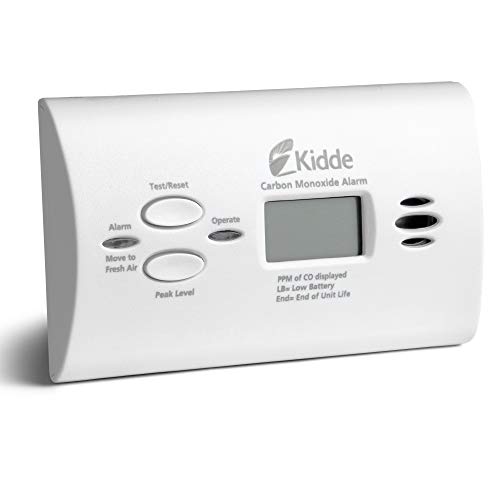
Equipped with an electrochemical CO sensor, this detector requires no wiring and relies on two included AA batteries. It is compact and portable, designed for wall mounting or tabletop placement. Best for: flexible use in small spaces or temporary installations. Caution: battery status indicators should be regularly checked to maintain alert readiness.
Kidde CO Alarm With Digital Display and Gas Indicator
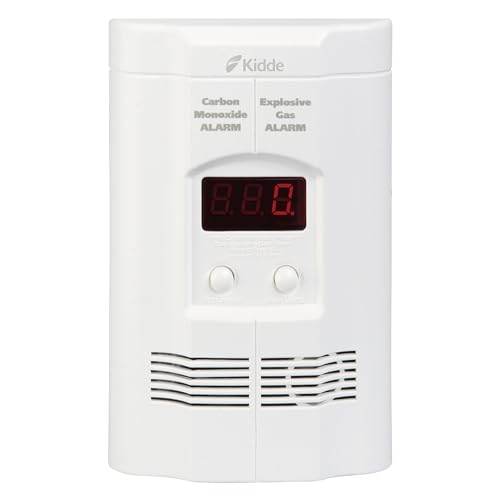
This plug-in model shows the CO level on a digital display and additionally indicates “GAS” when explosive gas is present. It uses a 9V backup battery and a standard outlet for continuous protection. Best for: homes where detection of both CO and gas is a priority. Caution: not all installations may require the gas-indication feature; verify local needs before selecting.
Kidde COBD10 10-Year Battery CO Detector
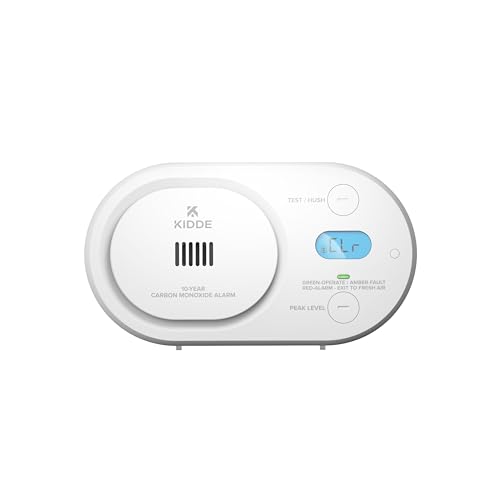
COBD10 features a built-in 10-year battery, a digital backlit display, and a 85 dB alarm with a test/hush function. It can be mounted on a wall or placed on a table. Best for: long-term safety with minimal maintenance and fewer battery replacements. Caution: 10-year battery units should be installed in accordance with local guidelines to ensure replacement reminders after the period.
Kidde COBDL AA Battery Portable CO Detector

COBDL emphasizes low-level CO detection and uses AA batteries with a digital backlit display. It provides a distinct low-level alert pattern and a separate alarm perception for higher levels. Best for: households prioritizing early detection to protect vulnerable occupants. Caution: ensure battery status is monitored to maintain sensitivity at low concentrations.
Buying Guide
Power source: Choose between plug-in, battery-powered, or 10-year battery models based on installation flexibility and maintenance. Plug-in units provide constant power but require a nearby outlet. Battery-powered options offer portability but need battery checks.
Display clarity: A digital backlit display helps quickly read CO levels, especially in low-light bedrooms or hallways. Consider models that clearly show “gas” indicators when relevant.
Alarm features: Look for 85 dB alarms and quick-test/reset or hush functions. Some models include additional indicators or gas alerts; ensure the device matches your home’s risk profile.
Placement and coverage: Wall mounting is common for CO detectors; ensure spacing per manufacturer guidance. For larger homes, consider multiple units in sleeping areas and near fuel-burning appliances.
Maintenance and lifespan: 10-year battery units reduce maintenance, but replacement reminders are essential. Non-wired units should be checked after any power outages to verify continued operation.
Frequently Asked Questions
- Why is a digital display important? It provides real-time CO levels, enabling quick assessment of danger levels without guessing from LED indicators alone.
- Plug-in vs battery-powered detectors, which is better? Plug-in detectors offer constant power and are ideal in permanent installations; battery-powered units are portable and suitable for rentals or rooms without outlets.
- Do all CO detectors detect low-level CO? Some models emphasize early low-level detection, typically through enhanced sensor technology; check product specs for ppm thresholds.
- How many detectors should I install? Place detectors near sleeping areas and in other key zones; larger homes may require multiple units to ensure coverage.
- Can I use a CO detector with gas indicators? Yes, some models indicate explosive gases in addition to CO, which can be useful in kitchens or areas with gas appliances.
- What maintenance is required? Regular tests, battery checks (if applicable), and periodic sensor replacement per manufacturer guidance ensure reliable alerts.