If you’re shopping for a reliable carbon monoxide alarm that also detects explosive gases, you’ll want models that clearly display readings, work during power outages, and provide easy installation. This guide highlights five top options well-suited for American homes, including plug-in and battery-operated choices. It targets buyers who want quick, actionable protection for living rooms, bedrooms, kitchens, and basements. See below for a concise comparison table and a buying guide to help you choose the right unit for your needs.
| Product | |||
|---|---|---|---|
| Kidde Carbon Monoxide + Explosive Gas Alarm (3rd Edition) | Combination CO + Gas Alarm | Plug-in with 9V backup | Digital LED |
| First Alert GCO1CN | Combination CO + Explosive Gas | Hardwired with display | Backlit digital |
| Kidde CO Detector (AA Battery Powered) | Portable CO detector | Battery powered | LED indicators |
| TopTes Guard-101 4-Gas Monitor | 4-gas detector (CO, H2S, LEL, O2) | Battery-powered | LED + audible + vibration |
| First Alert SMICO100 | Smoke & CO alarm | Battery operated | LED indicators |
Note: The table summarizes key attributes to help you compare at a glance. Always follow local codes and manufacturer instructions for installation and maintenance.
Kidde Carbon Monoxide + Explosive Gas Alarm (3rd Edition)
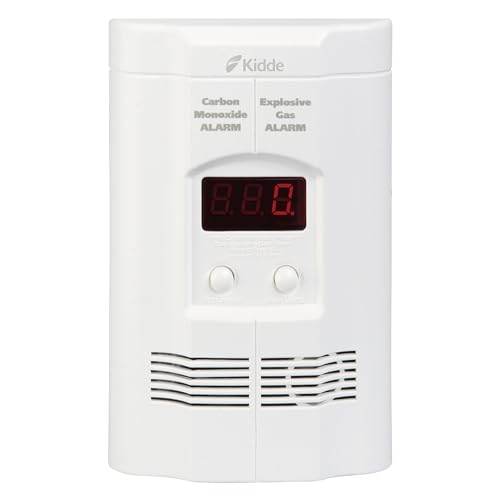
Best for: Homeowners seeking a single, easy-installation device that detects both carbon monoxide and explosive gases. This plug-in model includes a 9-volt battery backup, ensuring protection during a power outage. The unit features a digital LED display that shows CO levels or indicates “GAS” when explosive gas is detected. Pros include straightforward installation and clear status indicators. Limitation: reliance on a power outlet may be less ideal in rooms without convenient outlets.
First Alert GCO1CN Combination Alarm

Best for: Users who need a versatile CO alarm with an integrated backlit display and remote-friendly features. This model senses high levels of propane, natural gas, methane, and carbon monoxide, with a crisp backlit display to view current and peak readings. A notable advantage is the ability to mute remotely with common household remotes. Caution: remote muting may not be compatible with all remote controls; check your devices before purchase.
Kidde CO Detector with 2-Pack (AA Battery Powered)

Best for: Travelers or small apartments where portability and battery independence matter. This device runs on two AA batteries and includes an electrochemical CO sensor, with green power indication and an 85-dB alarm for detected CO. Data shows that it detects during power outages. Limitation: battery reliance means you’ll need to monitor and replace batteries periodically to ensure ongoing protection.
TopTes Guard-101 4-Gas Monitor
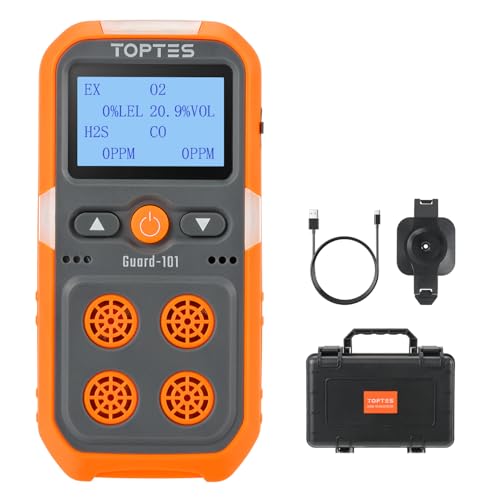
Best for: Home or work environments needing multi-gas detection, including CO. The Guard-101 offers rapid detection, three alarm modes (LED, vibration, sound), and data storage for monitoring history. It’s designed to be rugged and portable, with a long battery life of up to 14 hours. Caution: multi-gas devices are more complex; ensure proper calibration and operator training where required.
First Alert CO & Smoke Alarm SMICO100

Best for: Spaces needing combined smoke and CO protection with straightforward operation. The SMICO100 uses First Alert’s Precision Detection technology to minimize nuisance alarms from cooking and provides early warning for fires. It also includes an end-of-life warning to indicate replacement timing. Limitation: battery-operated units can require periodic battery changes; plan for maintenance reminders.
Buying Guide: Key Considerations For CO And Gas Alarms
- What type of power is best for you? Plug-in alarms with battery back-up ensure continuous protection during outages, while battery-only models offer portability and independence from outlets.
- What gases should be detected? CO detectors are essential. If you want explosive gas detection, confirm the model explicitly lists gases such as propane, natural gas, or methane.
- Display and alerts: A backlit digital display makes CO levels easy to read. A loud alarm (85 dB or higher) is critical for alerting occupants quickly. Some units offer remote muting or voice alerts for clarity.
- Installation location: Place detectors near sleeping areas, living spaces, and kitchens but away from direct heat, vents, or humid zones to reduce false alarms.
- Maintenance: Consider sensors with longer life spans or clear end-of-life indicators. Battery-powered units require periodic replacement; plug-in units should be tested regularly.
- Multi-gas vs single-purpose: If you need detection for multiple gases, a 4-gas monitor may suit workplaces or garages. For homes, a combination CO and gas alarm is usually sufficient.
FAQ
What is a combination CO and explosive gas alarm?
It is a device that detects carbon monoxide and combustible/explosive gases like propane or natural gas, providing audible and visual alerts to occupants.
Do these alarms require professional installation?
Most home-use models are designed for easy DIY installation—plug-in or wall-mount with batteries. Always follow the manufacturer’s instructions.
How often should I replace CO detectors?
Many detectors have a recommended end-of-life period, often around 5 to 10 years. Check the product manual for precise guidance.
Can I use multiple alarms in the same area?
Yes. Installing multiple units in different rooms increases detection coverage and reduces response time in emergencies.
Will these alarms work during a power outage?
Plug-in units typically have battery backups (9V or internal batteries) to maintain protection during outages.
Are there models that discreetly blend with home decor?
Yes. Many compact plug-in or wall-mount units come in white or neutral finishes designed to blend with interiors.