In short: a six-burner outdoor kitchen is ideal for large gatherings, weekend cookouts, and full meal service outdoors. This guide highlights five versatile options suited for spacious patios, built-in setups, and dedicated entertainers. Each pick targets different needs—from compact island setups to expansive grills with storage, sinks, and refrigeration. Read on to identify which is best for your space, fuel preference, and entertaining style, and use the quick comparison table to compare core features side by side.
| Product | Fuel | Cooking Area | Key Feature | Best For |
|---|---|---|---|---|
| Brand-Man 6-Burner Gas Outdoor Kitchen Grill Island (72,000 BTU) | Gas (LPG/NG convertible) | 871 sq.in. total | Side burner, griddle plate, storage cabinets | |
| Flintex 40-Inch Built-in 6-Burner Grill | Gas (convertible LPG/NG) | 860 sq.in. | Griddle and grill combo, large cooking area | |
| Brand-Man 40-Inch Gas Grill Head (6-Burner) | Gas (convertible) | 860 sq.in. primary + 240 sq.in. warming | Two cast iron grates + griddle plate | |
| Natmen 84 Inch Outdoor Kitchen Island (6-Burner) | Gas | 75,300 BTU total; includes sink and fridge options | Integrated sink, beverage fridge, modular storage | |
| Dvasovio 96-Inch 6-Burner with Refrigerator | Natural gas/propane | 684 sq.in cooking area + 68L fridge | Rotisserie kit, soft-close storage |
Brand-Man 6-Burner Gas Outdoor Kitchen Island

The island features six 10,000 BTU burners plus a 12,000 BTU side burner, delivering 72,000 BTU total heat. It includes two cast iron grates and a griddle plate for pancakes or stir-fries, converting a backyard into a full outdoor kitchen island. With 871 sq.in. of cooking space (624 main + 247 warming), it suits large meals for gatherings. Best for buyers who want a self-contained station with integrated prep and warming areas.
Best for: entertainers needing a roomy, all-in-one outdoor cooking setup with a dedicated prep and warming zone. Limitation: assembly complexity may be higher due to multiple components and wiring for LPG/NG conversions.
Flintex 40-Inch Built-in 6-Burner Grill
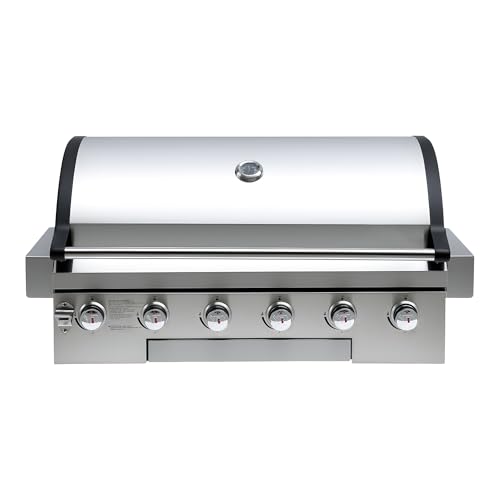
The Flintex unit offers a dual-fuel convertible design and a griddle/grill combo. Its 860 sq.in. cooking area supports multiple dishes at once, ideal for large families or frequent outdoor cooks. Best for cooks who want flexible fuel options and the ability to switch to a flat-top griddle for breakfast or unique meals. Limitation: conversion requires a separately sold kit and careful installation for proper gas type compatibility.
Brand-Man Propane Gas Grill, 40-Inch 6-Burner Head

This 40-inch head grill provides 60,000 BTUs across six burners and is designed with two rust-resistant cast iron grates plus a cast iron griddle plate. It offers a substantial 860 sq.in. primary area and an ample warming rack. Best for: homeowners who want a durable, head-only unit to pair with an outdoor island and a separate storage system. Limitation: it may require additional cabinetry and ventilation planning for an integrated setup.
Natmen 84 Inch Outdoor Kitchen Island

This 84-inch modular island packs 75,300 BTU across five main burners plus an infrared rear burner and includes lockable storage, LED knobs, and a built-in griddle. It also offers modular features like a prep sink and potential beverage coolers. Best for: buyers who want a large, versatile outdoor kitchen with integrated storage and optional appliances. Limitation: heavy unit that may require professional installation and movement limitations due to size.
Dvasovio 96-Inch 6-Burner Outdoor Kitchen
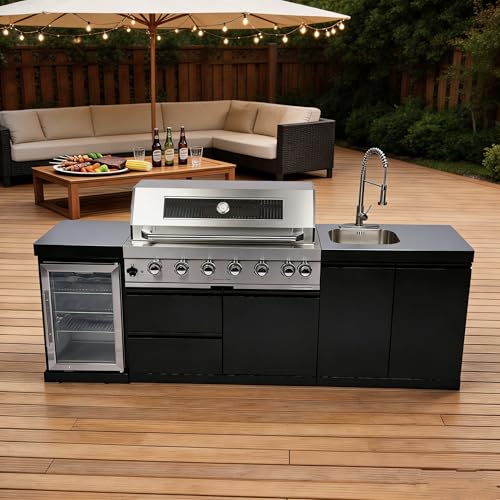
With 85,000 BTU total and a 684 sq.in. cooking area, this natural gas setup includes a 68L outdoor refrigerator, a 360° sink with pull-out faucet, and soft-close storage. It is designed for large gatherings and includes a rotisserie option. Best for: hosts who want substantial cold storage and a comprehensive outdoor kitchen in a wide footprint. Limitation: larger footprint may not fit smaller patios or side yards.
Buying Guide: Key Considerations
Fuel type: Decide between LPG, natural gas, or dual-fuel options. LPG is common but may require tank management; natural gas provides convenience if your home line is available. Dual-fuel designs offer flexibility but may demand conversion kits and professional installation.
Cooking area and layout: Compare total and primary cooking space, and whether you want a built-in griddle, warming rack, or rotisserie. Consider warming zones for multi-dish events and plate clearance for efficient service.
Storage and extras: Look for integrated cabinets, drawers, rotisserie kits, sinks, and fridges. These features reduce trips indoors and support long outdoor cooking sessions.
Construction and durability: Favor stainless steel construction, weatherproof components, and durable countertops. Check for rust resistance and ease of cleaning to preserve longevity in outdoor conditions.
Installation footprint: Measure your outdoor area and confirm whether the island requires a dedicated cabinet frame, ventilation clearance, or professional assembly. Heavier units with sinks or fridges may need reinforced mounting.
Frequently Asked Questions
- What size six-burner outdoor grill should I choose? – Choose based on your kitchen footprint and entertaining needs. Larger cooking areas support more guests, but ensure the unit fits your space and allows safe clearance.
- Is dual-fuel better than single-fuel? – Dual-fuel offers fuel flexibility and potential cost savings, but requires proper conversion hardware and setup.
- Do I need a built-in sink and fridge? – Sinks and fridges add convenience for outdoor cooking and entertaining, but increase installation complexity and cost.
- Can I move a large outdoor kitchen island? – Some modular islands and islands on casters are easier to relocate, but heavy units may require professional assistance.
- What maintenance is required for stainless steel outdoor kitchens? – Regular cleaning, rust prevention, and protective coatings help maintain appearance and function in outdoor environments.
- Do these units require professional installation? – Many units can be installed by experienced DIYs, but built-in installations with gas lines or integrated sinks are often best handled by professionals.