The easiest bonsai to care for is the one that fits your lifestyle, space, and light. This guide highlights beginner-friendly options that require minimal maintenance while delivering classic bonsai appeal. It’s ideal for first-time bonsai growers, busy adults, and households wanting a living, decorative accent. Below you’ll find five beginner-friendly choices, with clear reasons why each is a good fit, potential limitations, and practical care cues. A quick comparison table helps you spot the best match at a glance.
| Product | Best For | Why It Stands Out |
|---|---|---|
| BuggyBeds 4 Pack Bonsai Tree Kit | Complete beginners seeking variety | All-in-one kit with five seeds and starter tools |
| Brussel’s Bonsai Live Dwarf Jade Bonsai | Low-maintenance indoor bonsai | Hardy succulent bonsai that tolerates occasional neglect |
| Brussel’s Bonsai Green Mound Juniper | Outdoor beginner-friendly bonsai | Durable outdoor bonsai with classic look |
| Healthy Juniper Outdoor Bonsai | Outdoor beginner ready for shaping | Responds well to wiring with simple guidelines |
BuggyBeds 4 Pack Bonsai Tree Kit
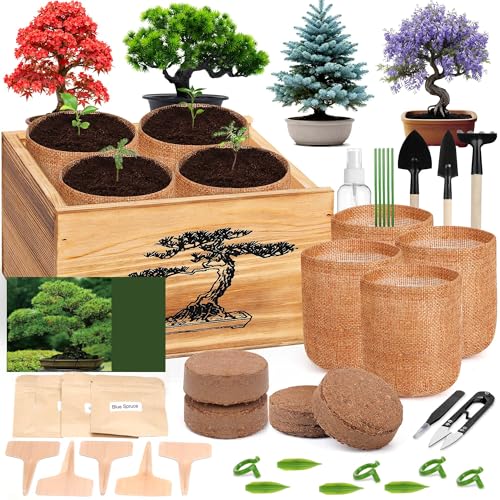
This kit is designed for absolute beginners who want a complete setup. It includes five diverse bonsai seeds—Blue Jacaranda, Acacia, Black Pine, Red Maple, and Blue Spruce—plus soil discs, writable markers, pots, a water sprayer, wooden box, pruning tools, tweezers, stakes, and a gardening guide. It’s best for buyers who want variety in one purchase and enjoy DIY garden projects. The full package makes it easier to start an indoor bonsai collection without sourcing multiple components separately.
Best for: New hobbyists seeking a turnkey experience and a range of quick-start varieties. Why chosen: It bundles essential supplies with seeds, enabling immediate setup and ongoing learning.
Caution: Some seeds arrive in various germination timelines; patience is needed as sprouts emerge. Maintain consistent light to prevent leggy growth.
Brussel’s Bonsai Live Dwarf Jade Bonsai
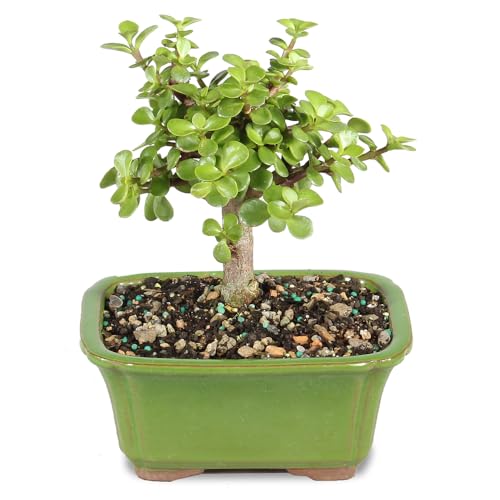
Best for: Indoor spaces with bright light and minimal watering requirements. Why chosen: The Dwarf Jade is a hardy succulent bonsai that tolerates common indoor conditions, making it ideal for busy homes or offices. Its compact form complements desks, shelves, or side tables without demanding much attention.
Why it’s easier: Jade plants store water in fleshy leaves, which reduces watering frequency. Practical care tip: allow the soil to dry between waterings and place in bright, indirect light to preserve leaf color.
Caution: This bonsai thrives in well-drained soil; overwatering can lead to root issues even for beginners.
Brussel’s Bonsai Green Mound Juniper

Best for: Outdoor spaces like patios or balconies where resilient greenery is valued. Why chosen: The Green Mound Juniper is a popular, durable outdoor option that maintains a classic bonsai aesthetic with relatively simple care needs for beginners.
Why it’s easier: Junipers tolerate less-than-perfect conditions and respond well to light pruning, enabling a beginner to shape and style gradually. Practical tip: provide good drainage and full sun for best growth.
Caution: Outdoor bonsai require seasonal care; in extreme climates, protection from frost or intense heat improves longevity.
Healthy Juniper Outdoor Bonsai
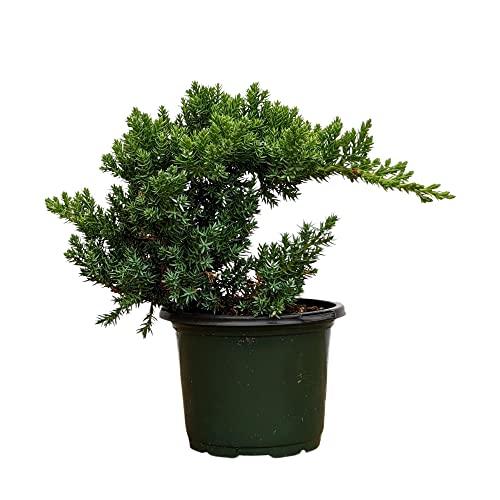
Best for: Beginners who want a straightforward outdoor bonsai with minimal early maintenance. Why chosen: This Windswept Juniper pre-bonsai is framed as an easy outdoor option that beginners can wire and shape later as they gain experience.
Why it’s easier: Junipers are hardy and forgiving, making this a practical first outdoor bonsai. Practical tip: follow simple guidelines for pruning and wiring to encourage cleaner branch structure.
Caution: It is an outdoor tree and not suited for California climates as a stand-alone note; regional suitability should be considered before purchase.
Buying Guide: Key Considerations For Your First Bonsai
Light: Most beginner bonsai thrive with bright, indirect light. Place indoor trees near a window that receives several hours of light daily. Outdoor varieties perform best with morning sun and some shade during peak heat.
Watering: Consistency beats frequency. Check soil moisture and water when the top inch is dry. Overwatering is a common beginner issue; ensure good drainage in pots and soil mixes.
Soil and Potting: Use well-draining bonsai soil designed for potted plants. Choose pots with drainage holes and consider aeration to support root health during early growth.
Pruning and Wiring: Start with light pruning to maintain shape. For easy entry, pick varieties that respond well to light wiring and gentle training as you build confidence.
Indoor vs Outdoor: Indoor bonsai generally require steadier light and humidity, whereas outdoor bonsai tolerate more natural conditions but need protection from extreme weather in some regions.
Care Routine: Create a simple routine—water, light check, and light pruning on a set schedule. Track growth to observe what changes help or hinder your tree’s vigor.
Frequently Asked Questions
- What is the easiest bonsai to start with for absolute beginners?
Gently cared-for indoor options like dwarf jade and outdoor junipers are commonly recommended for first-timers due to resilience and forgiving growth patterns.
- Do bonsai need special soil or pots?
Yes. Use well-draining bonsai soil and pots with drainage. This supports healthy roots and reduces overwatering risk.
- How much light do beginner bonsai need?
Most benefit from bright, indirect light. Indoor trees should be near windows; outdoor trees need sun exposure aligned with climate suitability.
- Is wiring necessary for beginners?
Not immediately. Start with pruning, then introduce light wiring as you gain confidence to shape branches gradually.
- Can I keep an outdoor bonsai indoors?
Some junipers can adapt indoors briefly, but most outdoor bonsai prefer outdoor conditions. Check species-specific guidance.
- What maintenance frequency should beginners expect?
A simple weekly check, with watering as needed and monthly pruning or shaping, is a practical baseline for most beginner trees.