Automatic acid and chemical dosing systems simplify pool maintenance by delivering precise amounts of acid or sanitizer without daily effort. This guide highlights top options for American buyers seeking reliable, hands-free pool chemistry management. The selections cover acid-specific feeders, integrated chemical management, and robust inline chlorine feeders that pair well with automatic dosing. Each entry notes who it’s best for, why it was selected, and a practical consideration to keep in mind.
Summary of chosen products
| Product | Best For | ||
|---|---|---|---|
| Hayward PH Dispense Acid Feed System 120V AQLCHEM4ACID | Saltwater or standard pools needing acid dosing automation | Acid feed system | Dedicated acid feed with 120V power |
| Pnr IntelliChem Acid Tank with Tank Mounted Pump | Pentair IntelliChem users seeking integrated acid dosing | Acid tank with pump | Integrated acid tank and pump for automated dosing |
| Daily Dose Automatic Pool Chemical Dispenser | Low-maintenance, solar-powered daily dosing | Automatic chemical dispenser | SunSmart, 30-day operation, up to 20,000 gallons |
| ProMotus Automatic Pool Chlorinator | In-line chlorine dosing for large or complex systems | Inline chlorine feeder | 9 Lbs tank, adjustable flow |
| Hayward CL200EF In-Line Chlorine Feeder | Residential in-ground pools needing steady chlorine distribution | Chlorine feeder | Up to 9 lb capacity |
Note: The products below are selected for their relevance to automatic acid dispensers and related pool chemical management. Always verify compatibility with your pool controller and plumbing configuration before purchase.
Hayward PH Dispense Acid Feed System

The Hayward PH Dispense Acid Feed System is designed for automatic acid dosing in residential and light commercial pools. Best for pool owners who want a dedicated acid feeder that integrates with standard chemical management setups. The device is simple to install and control, enabling steady pH adjustment without daily manual drops. A potential limitation is the need for proper calibration in changing pool water chemistry to prevent over-dosing.
IntelliChem Acid Tank With Tank Mounted Pump
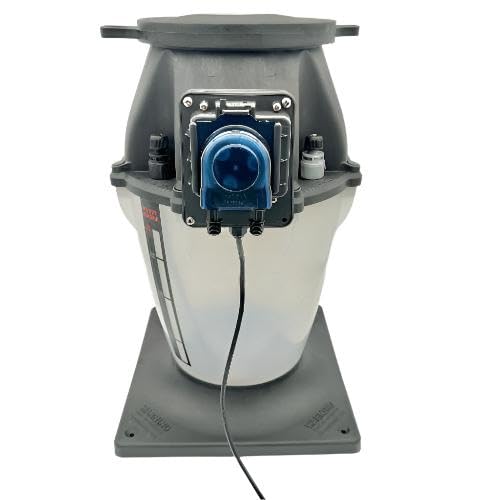
This IntelliChem acid tank with an integrated pump is tailored for automated acid dosing in systems that use chemical controllers like Pentair IntelliChem. It’s best for users seeking a compact, centralized acid delivery solution compatible with automated controller logic. Better for installations where controller-driven dosing is preferred. A caveat is that integration depends on controller compatibility and correct system setup; misconfiguration can affect dosing accuracy.
Daily Dose Automatic Pool Chemical Dispenser

The Daily Dose system offers 30 days of hands-free pool care with SunSmart technology. It’s best for owners seeking a low-maintenance, solar-powered dosing approach for up to 20,000 gallons. The system operates without cords or batteries, leveraging daylight for dosing. A limit is that it relies on solar conditions and requires periodic Pure Pack replacement every month to maintain dosing accuracy.
ProMotus Automatic Pool Chlorinator

The ProMotus in-line chlorine feeder is designed for large pools up to 40,000 gallons and uses a 9-pound tank. It’s best for pools requiring steady chlorine delivery with a durable, professional-grade feed system. Choose this if your system uses 1.5-inch plumbing and you need reliable tablet-based dosing with adjustable flow. A limitation is that tablets must be compatible with the feeder’s flow range and may require regular inspection of O-rings and seals for leaks.
Hayward CL200EF In-Line Automatic Chlorine Feeder

The Hayward CL200EF provides automatic off-line chlorine distribution for in-ground pools with a 9 lb capacity. It’s best for residential pools needing dependable, low-maintenance chlorine dosing with minimal manual intervention. A caution is that off-line feeders may require periodic manual monitoring of tablet levels to prevent unexpected dosing gaps during extended maintenance windows.
Buying Guide: Automatic Pool Acid and Chemical Dosing
What should you consider when selecting an automatic acid or chemical dispenser?
- Pool size and type: Match capacity and dosing method to your pool’s gallons and whether you have an automatic controller.
- Controller compatibility: Some acid tanks and feeders integrate with specific controllers; confirm compatibility before buying.
- Installation and plumbing: In-line feeders require appropriate plumbing connections (1.5-inch or similar). Check existing lines and space for mounting.
- Power and sources: Some devices rely on standard 120V power, solar, or battery-free operation. Choose based on installation constraints.
- Maintenance and replacements: Look at refill frequency (e.g., Pure Packs) and the ease of replacing components like O-rings, tanks, or pumps.
- Safety and handling: Ensure proper chemical handling procedures and secure storage for dosing chemicals.
Frequently Asked Questions
- What is the main purpose of an automatic acid feeder?
- Can I use an automatic acid feeder with any pool controller?
- Are inline chlorine feeders compatible with acid dosing systems?
- How often should I replace dosing packs or refills?
- Do these systems require electrical wiring?
- What maintenance is typical for these feeders?
To deliver a controlled amount of acid to adjust pool pH automatically, reducing manual testing and dosing.
Compatibility varies by model and controller. Check the product’s documentation for controller support and wiring requirements.
Yes, many installations pair chlorine feeders with separate acid dosing devices to balance overall pool chemistry, but confirm compatibility for your setup.
Refill frequency depends on pool size, usage, and the product’s design (for example, monthly Pure Packs in some designs).
Most acid and chlorine feeders have electrical or plumbing requirements; some are solar-powered or battery-free. Verify power needs during selection.
Regular inspection of seals, calibration checks, and periodic tank or pump servicing are common. Follow the manufacturer’s maintenance schedule.