Answering the need for compact, reliable solar options, this guide highlights practical 1 kW-scale solar panel solutions and complete kits. These picks are suited for small homes, off-grid cabins, RVs, or backup power setups. The top products cover modular panels, portable kits, and small-system inverters so buyers can choose based on space, mobility, and daily energy needs. The selections emphasize clear specifications, straightforward installation, and scalable options for future expansion.
| Product | Key Power | Best For |
|---|---|---|
| ECO-WORTHY 10kW All-in-One Solar Kit | Up to 10 kW output; 2950W PV; 16.1 kWh storage | Whole-home backup; larger off-grid setups |
| DOKIO 800W Monocrystalline Panels | 800W capacity (two 400W panels) | Compact off-grid or yard/garden installations |
| JJN 550W Bifacial Panels | 550W per panel; front/back power | Residential rooftops needing compact high-output panels |
| SUNGOLDPOWER 590W Bifacial Set | 6 × 590W panels | Maximized space; higher energy capture |
| ECO-WORTHY 400W Panels (4 × 100W) | 400W total; N-Type cells | Budget-friendly, modular 12V/24V systems |
ECO-WORTHY 10kW Complete Off-Grid Solar Kit

Powerful all-in-one system designed for reliable home power. Includes five 590W panels (total PV ~2,950W), a 48V 314Ah lithium battery with 16.1 kWh storage, and a 10 kW inverter with split-phase 120V/240V output. The battery supports Bluetooth, WiFi, and PC monitoring, and the system allows parallel operation up to six inverter units. Best for full-home backup or off-grid residences needing substantial daytime generation and dependable energy storage.
Who this is best for: homeowners seeking a scalable, plug-ready complete package with integrated monitoring and strong backup capacity. Why selected: it combines high PV capacity with a large battery bank and an ample inverter, reducing the need for immediate upgrades as demand grows. Caution: larger footprint and more complex setup; ensure adequate space and proper grounding for a safe, compliant installation.
DOKIO 800W Monocrystalline Panels (2×400W)
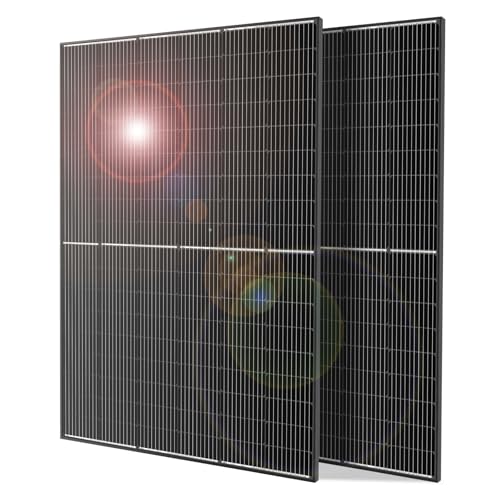
Two 400W panels deliver 800W total capacity, ideal for off-grid sheds, small cabins, or RV installations. The package emphasizes parallel-first configuration for 12V systems, easier wiring, and pre-drilled holes for quick mounting. Best for: compact off-grid projects where 12V/24V operation is common and installation simplicity matters. Choose this if you need a ready-to-wire solution that scales with modest power needs. Limitation: higher overall output requires an appropriate controller and safe wiring for proper voltage handling.
JJN 550W Bifacial Solar Panels (2-Pack)

This package includes two 550W bifacial panels with a transparent backsheet to harvest energy from the front and rear surfaces. Bifacial design can yield up to ~30% more energy under optimal conditions. Best for: rooftop installations where maximizing space efficiency is crucial. Better for: homeowners wanting more energy per footprint without adding many extra panels. Limitation: bifacial gains depend on reflective surfaces and mounting angle, so results vary with installation.
SUNGOLDPOWER 590W Bifacial Panel Set

This 6-pack of 590W bifacial panels uses N-Type 16BB cells for high efficiency up to 22.8% and an estimated 30% extra rear-side energy. Best for: large rooftop layouts or ground-mounted systems where total energy output matters. Better for: maximizing space efficiency and faster payback in sunny locations. Caution: higher system complexity may require careful installation planning and a robust mounting structure.
ECO-WORTHY 400W Monocrystalline Panels (4×100W)

Four 100W panels deliver a compact 400W system with 25% efficiency thanks to N-Type technology. They’re suitable for 12V/24V charging, off-grid and hybrid configurations, and can be extended for larger builds. Best for: budget-conscious buyers starting small, camping, boat, or shed power needs. Limitation: lower total output means slower ramp-up for larger appliances and longer charging times in shaded conditions.
Buying Guide: Key Considerations For 1 kW Level Solar
What should you evaluate when choosing 1 kW-scale solar? Focus on system type (portable vs. fixed), voltage compatibility, and future expansion. Do you prefer a modular kit with a dedicated battery and inverter, or individual panels to expand gradually?
System type: Complete kits (like the ECO-WORTHY 10kW) provide integrated components and monitoring. Panel-only options (like the DOKIO or JJN sets) require separate inverters and charge controllers but can scale incrementally. Panel technology: N-Type and bifacial designs improve efficiency and energy harvest, especially in bright locations with reflective surroundings. Battery compatibility: consider lithium vs. lead-acid, storage needs, and whether the system supports parallel connections for growth.
Installation practicality: look for pre-drilled holes, standard mounting patterns, and included cabling. Portability: portable panels (like SOKIOVOLA) are ideal for campers or off-grid trips but may add weight and reduce mounting options. Weather resistance and durability: IP ratings and ETFE or glass coatings impact longevity in outdoor deployments.
Cost vs. return: bifacial and high-efficiency panels often come at a premium but can yield higher energy returns in the right conditions. For homeowners, match your energy goals with available space, sun exposure, and local weather patterns to determine whether to start small or go for a larger, all-in-one package.
Frequently Asked Questions
- What size solar kit is best for a small home emergency system?
For backup power, a modular approach with 400–800W panels and a compact inverter is common. It should be expandable to meet growing energy needs.
- Are bifacial panels worth it for residential use?
They can be beneficial where rear-side reflection is strong, but results depend on mounting geometry and sun exposure. Consider your roof orientation and shading when deciding.
- Can I mix different brands of panels in one system?
Yes, but compatibility with the inverter and charge controller is essential. Consistent voltage and current characteristics help ensure balanced performance.
- Is a complete all-in-one solar kit easier to install than panel-only options?
Generally yes. All-in-one kits provide integrated components and monitoring, simplifying configuration and protection features for beginners.
- What maintenance do these solar panels require?
Regular cleaning to remove dust and debris, periodic inspection of wiring and connections, and monitoring of battery health and inverter operation.
- Can these systems be used off-grid?
Many are designed for off-grid use, especially those with integrated batteries and inverters. Check the storage capacity and inverter rating to match your needs.