When choosing a search and rescue flashlight, you want reliability, long reach, and versatile modes for various situations. This guide highlights five top options and explains who each is best for, from emergency responders to outdoor enthusiasts. All models here emphasize high lumen output, long beam distance, and practical features like USB-C charging, water resistance, and long runtimes. Use this overview to compare performance, durability, and user experience before making a purchase.
Summary table of selected products:
| Product | Best For | Key Benefit | Limitations |
|---|---|---|---|
| Rechargeable Flashlights 100000 High Lumens (ESGREEN ED0330) | Extreme visibility and range seekers | Ultra long beam up to 5000 ft | Very high output; may require cooling considerations |
| WdtPro S3000 | Compact power on the go | 1600 real lumens in a mid-size form | Uses 4 AA batteries (not included) |
| PHIXTON 100000 Lumen PH2401 | Spotlight and flood flexibility | Adjustable beam, USB-C power display | Very high output may affect battery life |
| AKNEAR 99000 Lumen | Road trips and rugged use | Zoomable, IPX7 waterproof | 5 modes; check battery endurance for longer runs |
| Weoxi 2400 Lumen | Rechargeable versatility | USB-C recharge, long runtime | High output but moderate beam distance |
Rechargeable Flashlights 100000 High Lumens by Esgreen

The ESGREEN ED0330 is built around a 30W LED with a high brightness focus that reaches up to 5000 feet. This model features an LCD power display to show remaining battery life, helping plan recharges to avoid outages during critical operations. A built-in 2-in-1 design provides USB-C charging and a USB output so the light can serve as a power bank in the field. Best for long-range searches, emergency scenarios, and outdoor expeditions where situational awareness matters. Caution: high beam intensity can be uncomfortable at close range and may require eye protection in tight spaces.
WdtPro S3000 High-Powered LED Flashlight
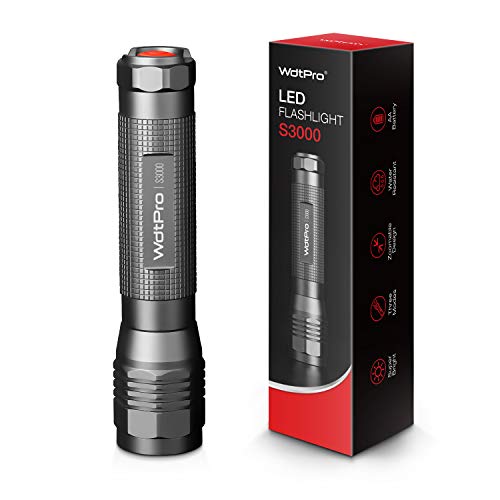
The WdtPro S3000 delivers up to 1600 real lumens with a compact, hand-friendly profile. It runs on 4 AA batteries and offers three modes plus a zoomable beam for spot or flood lighting. The integrated PDO technology aims for consistent brightness and up to 30 hours of runtime on low, with a claimed lifespan of 50,000 hours. Best for hikers, responders, or everyone who needs dependable performance in a small package. Better for those who prefer AA batteries over USB-C charging.
PHIXTON PH2401 Rechargeable Flashlight

The PHIXTON PH2401 stands out with an ultra-high beam option that reaches up to 3280 feet and five modes, including SOS. It uses a 6000mAh battery and built-in LCD power display to show remaining charge. The USB-C interface supports recharging and also allows the unit to serve as a power source for other devices. Best for search teams needing a long-range spotlight plus a robust battery. Choose this if you regularly need a strong long-range beam and want a built-in power meter for planning. Limitation: very high output can drain the battery quickly in intensive use.
AKNEAR 99000 Lumen Rechargeable Flashlight
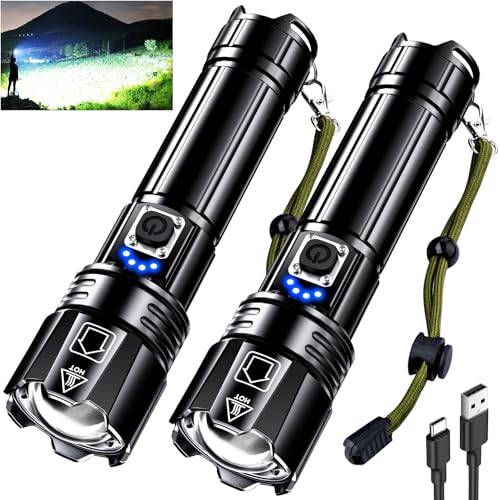
The AKNEAR model emphasizes a 99,000-lumen output with a zoomable head to switch between flood and spot modes. It offers five lighting modes and a USB-C recharge option, along with IPX7 waterproofing. Best for rugged outdoor use, night researchers, or people who must perform close-up work with a bright flood beam nearby. Choose this if you need a zoomable head and rugged waterproofing; caution: high-lumen settings may require cooling and longer recharge times.
Weoxi 2400 Lumen Rechargeable Flashlight

The Weoxi flashlight combines a high output LED with USB-C recharge and a power display to monitor charge levels. It can reach up to about 2400 lumens and offers a long runtime with a 5000mAh battery. Ideal for general rescue work, camping, or emergency kits where USB-C charging is preferred. Better for users who want dual-use functionality as a USB power bank; caveat: reach may be less than ultra-long-range models.
Nightstick XPP-5422GM Intrinsically Safe Flashlight

The Nightstick XPP-5422GM is designed with intrinsic safety in mind and offers a dual-light system with magnet attachments. It provides 160 lumens as a flashlight and 130 lumens as a floodlight, with an additional 260 lumens for the dual-light function. This model is suited for professionals working in potentially explosive atmospheres or requiring hands-free magnet mounting. Best for industrial responders and technicians who need safe, hands-free operation. Limitation: lower lumen output compared to high-lumen search models.
Buying Guide: Key Considerations For Rescue-Grade Flashlights
- Beam Distance And Brightness: For searches over open terrain, prioritize higher beam distance (feet/meters) and sustained brightness to avoid dimming in fog or rain.
- Power Source And Runtime: USB-C rechargeable units are convenient, but consider battery type (Li-ion vs. disposable AA/AAA) and runtime requirements for extended missions.
- Durability And Waterproofing: Look for IP ratings (IPX7 or higher) and rugged housing to withstand drops, moisture, and dust exposure.
- Modes And Beam Control: Multiple modes (high, mid, low, strobe, SOS) and zoomable heads help tailor lighting to scene requirements and conserve power.
- Additional Features: LCD power displays, power bank capability, and integrated magnets or tripod compatibility can add practical value in field operations.
How To Choose For Specific Use Scenarios
- Emergency and Rescue Teams: Prioritize long-range beams, rugged build, and reliable power management to maintain visibility in variable conditions.
- Outdoor Enthusiasts: A balance of beam distance, battery life, and compact form helps during camping, hiking, or night navigation.
- Industrial Or Hazardous Environments: Intrinsic safety and magnet mounting options provide safer operation in potentially explosive settings.
FAQ
- What lumen level is best for search and rescue? — Higher lumens improve visibility at distance, but energy use rises; select a model with a strong long-range beam and good heat management for sustained operation.
- Should I prefer USB-C or AA batteries? — USB-C recharge offers convenient top-ups and power bank capability; AA batteries are simple to replace in the field but may require more frequent changes.
- Is a zoomable beam necessary? — Zoomable heads help switch between focused spot beams for distant objects and flood beams for wide-area illumination.
- What about waterproofing? — An IPX7 rating or higher is recommended for field operations in rain, snow, and damp environments.
- Do these flashlights have built-in power displays? — Some models include LCD displays to monitor remaining charge, aiding planning for recharges during missions.
- Are intrinsically safe flashlights needed for all rescue tasks? — Intrinsically safe designs are crucial in hazardous atmospheres; assess the work environment to determine necessity.