If you need a stable kayak that stays steady in both flatwater and rougher conditions, these top picks offer reliable buoyancy, rigid feel, and practical features for a range of paddlers. This guide targets buyers seeking stability first—ideal for beginners, families, or paddlers prioritizing balance over speed. The list includes inflatable and rigid options, with clear notes on best use, suitability, and any limits based on the data provided.
Summary table of selected products
| Product | Why It’s Stable | Best For |
|---|---|---|
| Sea Eagle 380x Inflatable Kayak | Rigid drop-stitch floor for a solid platform; versatile for whitewater and flatwater | Families or solo paddlers wanting versatility |
| Sea Eagle 393RL RazorLite | Drop-stitch construction with multiple air chambers; lightweight yet stable | Travelers needing portability with stability |
| Sea Eagle Razorlite 473rl | Rigid drop-stitch sides; tandem stability; lightweight for a larger craft | Two adults or longer trips |
| Pelican Argo 100X | Ergoform seat and adjustable footrests; front storage hatch aids balanced setup | Beginner paddlers seeking simple comfort and stability |
| Perception Hi Life 11 | Hybrid sit-on-top design; wide stance for steady handling | Flatwater fun with pets or kids |
Sea Eagle 380x Inflatable Kayak With Pro Package

Best for versatile paddling across whitewater and flatwater, the 380x uses a rigid drop-stitch floor that inflates up to 10 PSI, delivering a stable platform similar to a hard-shell kayak. It includes two Tall Back Seats for added back support, two heavy-duty paddles, a high-output pump, and a backpack for transport. This model is well-suited for novices who want confidence in moving water and more aggressive rivers without sacrificing stability in calm waters. A potential limitation is the need to manage air pressure to maintain stiffness, especially after long trips or varying temperatures.
Pelican Argo 100X — Angler Sit In Fishing Kayak

Best for anglers and casual paddlers who want balanced stability paired with practical storage and comfort. The Ergoform padded seat and adjustable footrests support long sessions, while the front storage hatch keeps essentials secure. This kayak is better for calm lakes and slow rivers, with the caveat that standing or wading in the kayak is not advised if you need maximum balance in rough waters.
Sea Eagle 393RL RazorLite Inflatable Kayak Pro Package

This model emphasizes high stability with rigid all-drop-stitch construction, offering a solid paddling feel comparable to a traditional rigid kayak while remaining compact for transport. It weighs 35 lbs for solo use, making handling easier than typical rigid kayaks. It uses three separate air chambers and a drop-stitch floor for primary flotation and stability. Choose this if you want a lighter, highly stable inflatable for open-water paddling, but be mindful of inflation precision to maintain peak stiffness.
Sea Eagle Razorlite 473rl Inflatable Drop Stitch Kayak

Best for two adults seeking a stable tandem inflatable with drop-stitch rigidity. The 473RL provides a robust ride with three air chambers, inflating to 10 psi, and a floor that forms primary flotation with additional stability from the sloped sides. It is compact for storage yet capable on open waters. A potential limitation is its weight distribution when fully inflated with gear; plan packing to maintain balance.
Sea Eagle Razorlite 473rl Pro Carbon Tandem Package

Best for two adults who want a stable, rigid-feel kayak with tandem capacity and lighter overall weight. The 473RL Pro Carbon package offers new graphics, tie-down loops, carry handles, and Flexbrace2, combining stability with easy transport. Use this if you value a stable platform with upgraded rigging, but avoid if you need the lightest possible setup in frequent air travel because even lightweight tandem inflatables require careful packing.
Perception Hi Life 11 — Sit On Top Hybrid
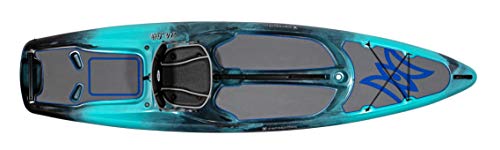
Best for casual flatwater exploration with kids and pets. The Hi Life 11 blends sit-on-top stability with simple setup, offering a comfortable layout for relaxed cruising. This model is ideal for ponds, lakes, and calm coastal areas. A limitation is that sit-on-top designs can be less efficient in windy conditions and may require more attention to weight distribution when carrying gear.
Buying Guide: Key Considerations For Stability And Use
- Intended water type: Are you paddling calm lakes, slow-moving rivers, or open water with chop? Choose a design that prioritizes a wide beam and multi-chamber stability for open water.
- Inflatable vs. rigid: Inflatables offer portability and easy storage; rigid kayaks typically provide stiffness and speed. Drop-stitch floors can bridge the gap between the two.
- Weight and capacity: Check hull weight and load capacity; heavier paddlers should look for models with wide hulls and generous buoyancy.
- Seating and comfort: Ergonomic seats, back support, and adjustable footrests improve stability by reducing fatigue and promoting proper posture.
- Chambers and flotation: Multiple air chambers enhance safety and stability, especially in rough water or when gear is onboard.
- Storage and balance: Front and rear hatches, bungee cords, and well-distributed gear help maintain balance and quick access to essentials.
- Portability: If you transport by car or air, consider weight, packability, and included carry cases or backpacks.
Frequently Asked Questions
- What makes a kayak “stable”?
Stability is primarily determined by beam width, hull shape, flotation volumes, and the number of air chambers. A wider hull and lower center of gravity typically improve primary stability for beginners.
- Are inflatable kayaks less stable than rigid ones?
Not necessarily. Modern inflatables with drop-stitch floors and multiple air chambers can offer stability comparable to rigid kayaks, while remaining portable.
- Which kayak is best for beginners?
Models with wide beams, stationary seating, and straightforward handling—like the Pelican Argo 100X or Perception Hi Life 11—tend to be more approachable for beginners.
- Can stability impact speed or performance?
Yes. More stability can reduce speed, especially in longer tours or windy conditions. Inflatables with rigid floors aim to balance stability and performance.
- Is tandem stability different from solo stability?
Yes. Tandem setups require careful weight distribution and seating arrangement to maintain balance, especially in open water.
- What maintenance is required for inflatable kayaks?
Regularly check for leaks, ensure proper inflation pressure, and dry the hull to prevent mold. Pack away fully dry and avoid prolonged exposure to direct sun.