Choosing a lathe face shield with an integrated or compatible respirator can greatly improve comfort, visibility, and protection when sanding, grinding, or finishing materials. This article highlights five top options that pair protective face shields with respirator-like features or airflow assistance, helping you keep breathing clear of dust while maintaining a wide field of view. Each product is evaluated for impact resistance, anti-fog performance, adjustability, and comfort for extended use. Read on to compare key benefits and select the best shield for your lathe setup.
Summary of selected products
| Product | Brand | Key Benefit |
|---|---|---|
| Trend Airshield Pro Full Faceshield | TREND | Air-circulating design with built-in fan for cooling and anti-fog performance |
| Trend Airshield Pro Respirator & Face Shield Bundle | TREND | All-in-one respirator with additional battery cradle for uninterrupted use |
| ARCCAPTAIN Anti-Fog Panoramic Full Face Shield | ARCCAPTAIN | Wide panoramic view with anti-fog coating and adjustable ratcheting headgear |
| Honeywell Uvex Bionic Face Shield | Uvex | Full shield with anti-fog/hard coat visor and comfortable adjustable fit |
| NoCry Premium Safety Face Shield | NoCry | Anti-fog, thick visor, and adjustable headgear for versatile use |
Trend Airshield Pro Full Faceshield

The Trend Airshield Pro is designed to provide robust protection with an integrated air-circulating system. This shield prioritizes dust and nuisance particle filtration, making it suitable for woodworking and metalworking tasks on a lathe. The rear-mounted motor is positioned for balanced weight distribution, improving comfort during long sessions. A built-in anti-fog coating helps maintain visibility as heat and humidity build up during sanding or grinding, and the headband is adjustable to accommodate different head shapes and wearing over glasses if needed.
Performance and fit
The Airshield Pro focuses on active airflow to reduce fogging, delivering improved clarity during continuous use. Its large viewing window provides ample facial protection while allowing for extended reach and angle adjustments. The headgear is designed to be worn with other PPE, and the visor is constructed to be impact resistant while still remaining lightweight. For lathe work, this model provides a good balance of protection, comfort, and visibility, making it a popular choice among hobbyists and professionals alike.
Trend Airshield Pro Respirator & Face Shield Bundle

This bundle extends the capabilities of the basic Airshield Pro by including a dedicated remote battery cradle plus a spare rechargeable battery. It is ideal for extended lathe sessions where downtime to swap batteries would be disruptive. The bundle maintains the anti-fog and high-visibility advantages of the Airshield Pro while adding options for uninterrupted use. The respirator integration is designed to complement dust protection while still offering clear panoramic visibility.
Power and usability
The included battery cradle supports remote charging, enabling operators to swap batteries without interrupting workflow. This is particularly advantageous for professional shops or longer projects. The shield’s airflow remains a central feature, helping to keep the visor clear when grinding or sanding damp materials. The overall design emphasizes ease of cleaning and adjustment, so users can maintain a snug seal and comfortable fit throughout the day.
ARCCAPTAIN Anti-Fog Panoramic Full Face Shield
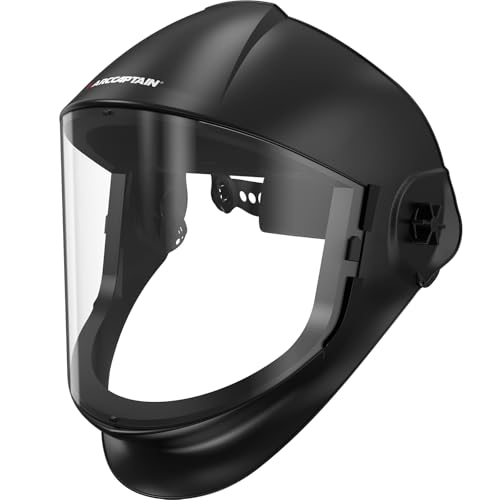
The ARCCAPTAIN full-face shield emphasizes coverage and clarity with a panoramic design. It includes an anti-fog coating to minimize fogging during high-workload lathe tasks and a ratcheting headgear for precise, multi-angle adjustment. The shield is suitable for grinding, cutting, and general turning where sparks and flying debris are a concern. The ANSI Z87.1+ certification indicates reliable protection for industrial use and the lens is designed to resist scratches for longer-lasting visibility.
Protection and adjustability
ARCCAPTAIN’s design delivers wide coverage from forehead to chin, reducing exposure to airborne hazards and splash risks. The multi-angle tilt feature allows users to position the visor for optimal clearance when wearing hearing protection or a respirator underneath. The polycarbonate visor balances impact resistance with lightness, enabling comfortable all-day use in shop environments where lathe-based finishing takes place.
Honeywell Uvex Bionic Face Shield
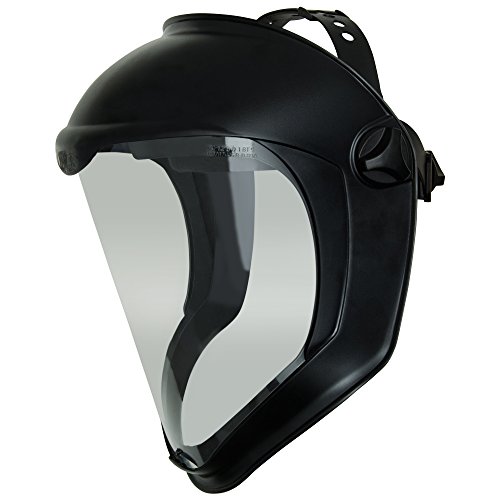
The Uvex Bionic Face Shield combines a full shield design with a polycarbonate visor that offers anti-fog and an optional hard coat. It includes built-in chin protection and extended top-of-head coverage for additional safety, which is beneficial when performing lathe operations that kick up debris or splashes. The headgear is adjustable and designed to be worn comfortably for long periods, with a ratcheting mechanism to fine-tune the visor distance from the face. This shield emphasizes clear optics and reliable protection in a compact form factor.
Optics and protection
Optical clarity is a key feature of the Uvex Bionic, which helps machinists see finely grained material as it is turned or finished. The anti-fog visor maintains visibility in warm workshops, and the option for a hard coat adds scratch resistance for longer-lasting lens performance. Chin protection and elevated top coverage make it a well-rounded option for lathe work where dust, chips, and chemical splashes are possible.
NoCry Premium Safety Face Shield

NoCry’s safety face shield focuses on robust protective design with an anti-fog and anti-scratch coating. The curved visor provides all-around facial protection with a thickness that contributes to longer durability during grinding and cutting operations. The headgear is adjustable, enabling a secure fit across different head sizes, and the shield is designed to be worn over prescription glasses if needed. This option is suitable for users who prioritize a strong, scratch-resistant shield and simple maintenance.
Durability and maintenance
The thicker visor and anti-scratch coating are specified to resist daily wear and tear in workshop settings. Anti-fog technology is a key consideration for lathe work where temperature and humidity levels fluctuate. The adjustable ratchet system allows users to find a stable angle for optimal viewing while wearing other PPE such as hearing protection or respirators. Regular cleaning ensures the anti-fog layer remains effective over time.
Buying Guide: How to Choose a Lathe Face Shield With Respirator Features
When selecting a lathe face shield with respirator or air-circulation features, consider the following factors to ensure the best balance of protection, comfort, and practicality for your shop.
- Protection level: Look for ANSI Z87.1 or equivalent certifications and assess whether the shield covers the full face, including the chin and forehead, to prevent debris exposure during turning and sanding.
- Respiration and airflow: If you require dust control without a separate respirator, consider shields with built-in airflow technology or compatibility with a respirator. Compare models with integrated fans or reliable anti-fog coatings to maintain visibility in hot environments.
- Anti-fog performance: Anti-fog coatings or active airflow help keep the visor clear. For humid conditions or long grinding sessions, prioritize anti-fog and anti-scratch features.
- Comfort and fit: Adjustable headgear, ratchet controls, and lightweight materials reduce fatigue during long lathe sessions. Compatibility with prescription glasses and hearing protection is a practical plus.
- Visibility and optics: A wide viewing window with minimal distortion improves precision when shaping and finishing parts on the lathe.
- Durability and maintenance: Durable materials like polycarbonate resist impacts and scratches. Check whether visors are replaceable or have compatible spare parts for longer life.
- Battery and charging: If selecting a respirator bundle, examine battery life, charging options, and whether spare batteries or remote charging accessories are included for uninterrupted work shifts.
- Cleaning and maintenance: Confirm whether coatings resist fogging, fingerprints, and chemical splashes, and whether replacement visors are readily available.
- Cost of ownership: Factor in the price of replacement visors, batteries, and any required maintenance supplies to estimate long-term costs.
Choosing a suitable lathe shield with respirator features requires balancing the protection level with comfort and workflow needs. For occasional hobby work, a shield with anti-fog coating and good visibility may suffice. For pro shops with extended grinding and finishing sessions, consider models with active airflow or bundled respirator capabilities to reduce fatigue and maintain clear vision throughout the day.