Grow lights with red and blue spectra are designed to support plant growth indoors by supplementing sunlight. This guide highlights five top options that emphasize red-blue performance, full-spectrum versatility, and energy efficiency. Each product includes key features to help you compare at a glance and choose the right light for seed starting, vegetative growth, and flowering stages.
| Product | Brand | Key Features |
|---|---|---|
| LEOTER Grow Light | LEOTER | 80 LEDs (32 red, 12 blue, 36 white), full spectrum 380-800nm, 3/9/12H timer, 10 dimmable modes |
| Garpsen Grow Light | Garpsen | 2 heads, 9 red + 4 blue + 7 warm white per head, 6/12/16H timer, 3 lighting modes, 5 brightness levels |
| FREELICHT 2 Pack LED Grow Light | FREELICHT | 40W per unit (250W equivalent), 640-680nm red, 440-460nm blue, linkable, energy-efficient |
| GooingTop LED Grow Light | GooingTop | Total 148 LEDs (120 white, 20 red, 8 blue), adjustable timer (4/8/12H), dimming to 50% or 100% |
| Otryad LED Grow Lights | Otryad | Full spectrum with 3/9/12H timer, 9 dimmable levels, clip-on desk lamp style |
These selections emphasize red-blue spectrum performance, ease of use, and energy efficiency, suitable for various indoor gardening setups—from small herb boxes to seedling trays. The following sections dive into each product’s details to help you compare features, setup, and suitability for different plant growth stages.
LEOTER Grow Light for Indoor Plants
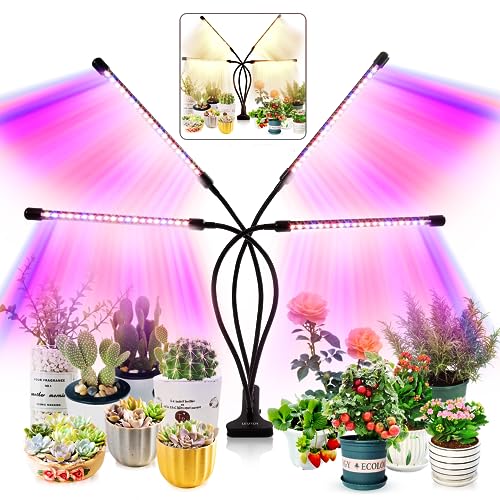
The LEOTER unit uses 80 LEDs combining red, blue, and full-spectrum white light. It supports full-spectrum operation (380nm-800nm) for rooting and sprouting, with dedicated red and blue wavelengths that favor flowering and fruiting. It features a circular memory timer with 3H, 9H, and 12H settings, designed to automate daily on/off cycles. Ten dimmable levels allow tuning for different growth stages. A gooseneck design enables flexible positioning over pots or seed trays. Note: timer resets if power is interrupted.
Garpsen Grow Lights for Indoor Plants

This two-head design provides a richer spectrum with 9 red, 4 blue, and 7 warm white LEDs per head. The upgraded timer supports 6H, 12H, and 16H cycles, giving more options for leaves, stems, and flowering phases. With three lighting modes and five brightness levels, users can tailor brightness to plant needs and room conditions. It’s a compact, energy-conscious choice for small spaces or desk setups and is easy to install with included mounting options.
FREELICHT 2 Pack 4FT LED Grow Light

This two-pack provides 40W per unit with a red-blue full-spectrum combination designed to support flowering and fruiting. The setup emphasizes efficiency and coverage, with LED configurations intended to reduce energy use while maintaining strong light output. The product notes mention compatibility with linking and simple installation, making it suitable for seed-starting or extending daylight hours for houseplants, herbs, and small vegetables.
GooingTop LED Grow Light

GooingTop’s fixture delivers a broad spectrum with 120 white, 20 red, and 8 blue LEDs, designed to resemble natural sunlight. It offers 3 timer options (4, 8, 12 hours) via an easy-to-use controller and dimming at 50% or full brightness. The full-spectrum approach, combined with a high color rendering index, aims for stable, efficient plant growth across germination, leafing, flowering, and fruiting stages. The unit is built for stable operation with flicker-free illumination.
Otryad LED Grow Lights for Indoor Plants
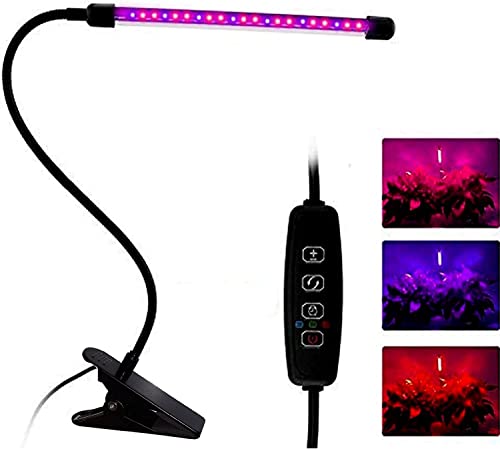
Otryad offers full-spectrum lighting with 3/9/12-hour timers and 9 dimmable levels. This clip-on desk lamp style design provides flexible placement over pots or seed trays. The timer functionality helps automate light cycles, while adjustable distance settings allow fine-tuning based on plant needs and growth stage. It emphasizes efficient energy use and a simple setup that makes it suitable for beginners and hobbyists alike.
Buying Guide
Key purchase considerations for red-blue LED grow lights include spectrum balance, timer and dimming features, ease of installation, and coverage area. Spectrum options should cover red and blue wavelengths essential for photosynthesis, with optional warm white or full-spectrum components for broader growth stages. Timers (daily on/off cycles) and memory functions help maintain consistent routines during vacations or workdays. Dimmable settings enable tailoring intensity to seedling or flowering stages, reducing energy waste and heat. Consider the fixture type (clip-on, gooseneck, multi-head) based on your setup: small desktops, shelves, or larger grow tents. Finally, assess build quality, heat management, and safety features to ensure reliable long-term use.
When comparing products, look for: number and distribution of red/blue LEDs, presence of full-spectrum or white light components, timer granularity (hours), number of dimming levels, and whether the unit supports multiple lighting modes. Also evaluate the ease of installation and whether the fixture comes with mounting hardware or requires additional components. For seed starting, prioritize consistent low-to-moderate intensity and reliable timing. For vegetative growth and flowering, prefer higher intensity and longer daily light exposure within plant tolerances. Energy efficiency and heat management can affect ongoing operating costs and plant health.