Protecting your home from carbon monoxide starts with selecting a reliable detector. This guide reviews five strong options from trusted brands, highlighting sensor technology, power options, ease of installation, and key features. Use the quick comparison table below to identify models that fit your needs, then explore detailed product sections for more specifics.
| Product | Brand | Power Source | |
|---|---|---|---|
| Kidde Battery Powered CO Alarm (Portable) | Kidde | 2-AA Batteries | Electrochemical sensor, portable, test/reset |
| Kidde Plug-In CO Detector with AA Backup | Kidde | 120V Plug-In + AA Backup | Easy installation, back-up power during outages |
| First Alert SMCO100 Combo Alarm | First Alert | Battery Operated | 2-in-1 Smoke & CO detection |
| Kidde Plug-In CO Detector with 9V Backup | Kidde | 120V Plug-In + 9V Backup | Digital display, back-up battery |
| First Alert CO400 Battery Operated Alarm | First Alert | Battery Operated | Electrochemical sensor, standalone |
Below are five carefully selected products, each with a concise overview and practical considerations to help you decide which detector to place in key areas of your home.
Kidde Battery Powered CO Alarm (Portable)
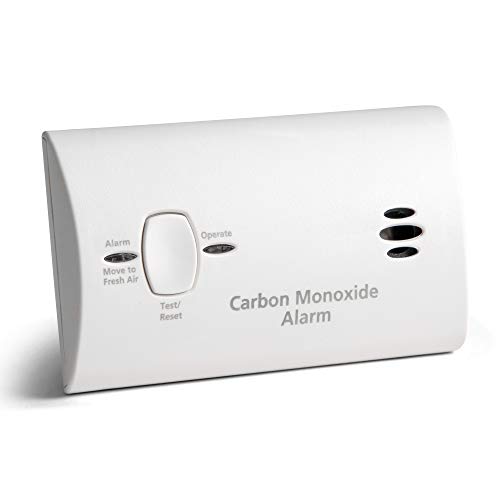
This compact detector uses an electrochemical sensor to identify dangerous carbon monoxide levels. It operates on 2 AA batteries, enabling use during power outages and in spaces without wired power. Installation is simple: place on a tabletop or mount on a wall. A green LED confirms power, while an 85-decibel alarm and a red LED signal CO presence. Its portable design is suitable for bedrooms, living areas, or travel use, providing flexible protection wherever you need it. Regular battery checks and the test-reset button help maintain readiness.
Kidde Plug-In CO Detector with AA Backup
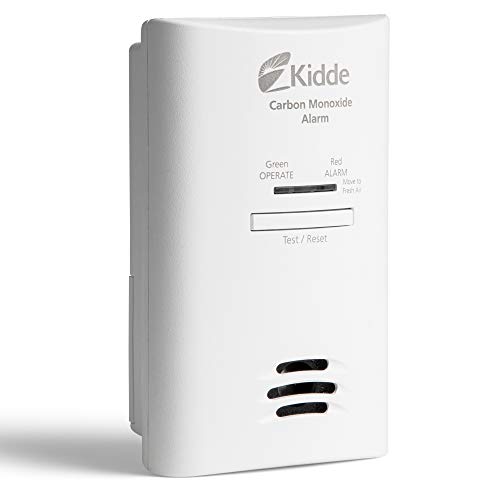
This model plugs into a standard 120V outlet and adds a 2-AA battery backup for continued protection during power outages. Its easy installation makes it a practical choice for living rooms, hallways, or bedrooms. An 85-decibel alarm clearly alerts occupants when CO is detected, and the device’s back-up power helps ensure monitoring remains active when the grid fails. Regular press-and-test checks help confirm proper operation. This unit blends convenience with reliable detection for daily home use.
First Alert SMCO100 Combo Alarm

Combining smoke and carbon monoxide detection, the SMCO100 provides early fire and CO warnings with a single device. It operates on batteries, enabling placement without wiring constraints, and is designed to reduce nuisance alerts while delivering reliable protection. This 2-in-1 approach is advantageous in living rooms, kitchens, and bedrooms, offering a consolidated safety device that minimizes the number of detectors needed. The unit’s audible alarm and clear indicator lights support quick awareness during an incident.
Kidde AA Battery Powered CO Alarm with LEDs
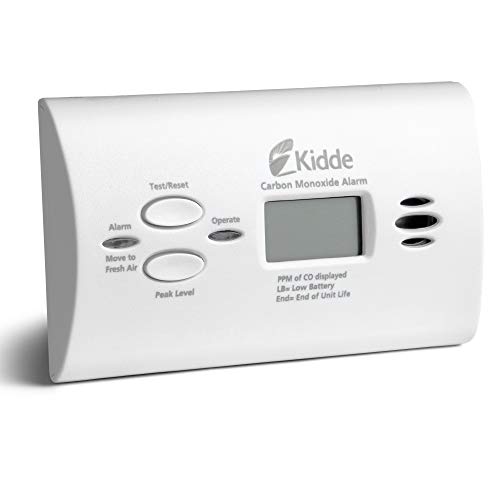
This portable detector relies on electrochemical sensor technology and uses 2 AA batteries for operation, ensuring operation during outages. It’s designed for easy wall mounting or tabletop placement. The LED indicators provide quick status awareness, with a loud alarm to signal dangerous CO levels. The portable form factor makes it suitable for temporary setups or areas where a wired detector isn’t feasible. Regular battery maintenance and testing are recommended to ensure continuous protection.
Kidde Plug-In CO Detector with 9V Backup

This detector plugs into a standard outlet and includes a 9-volt battery backup, ensuring continued CO monitoring if the main power source is interrupted. The unit features a digital LED display showing the detected CO level, which can assist with ongoing awareness. It is well-suited for living rooms, kitchens, or hallways where a visible readout is helpful. Audible alarms and backup power support reliable performance during outages or emergencies.
First Alert CO400 Battery Operated Alarm
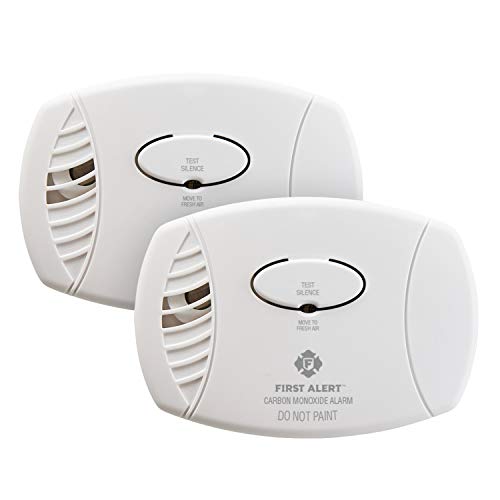
The CO400 is a straightforward battery-powered detector designed for continuous CO monitoring without reliance on household wiring. It uses an electrochemical sensor to identify CO levels and emits an 85-decibel alarm when dangerous conditions are detected. Its standalone design makes it a good fit for bedrooms, hallways, or spaces without outlets. Battery replacement is a typical part of maintenance, and testing the unit regularly ensures ongoing readiness.
Buying Guide
- Power source: Decide between plug-in models with battery backup and fully battery-powered detectors. Plug-in units are convenient in rooms with accessible outlets, while battery-only devices offer flexibility in locations without power access.
- Sensor technology: Most rely on electrochemical sensors for accurate CO detection. Look for certifications and performance claims from reputable brands to ensure reliability.
- Installation: Consider placement guidelines—detectors should be installed on every level of the home and near sleeping areas. Wall mounting vs. tabletop options affect placement strategy.
- Notification features: Visible indicators, LED status lights, and digital displays can improve situational awareness. A loud, clear alarm is essential for prompt response.
- Maintenance: Check battery life indicators and test/reset functions. Some models offer battery replacement reminders, while others rely on user-initiated tests to confirm operation.
- Combination vs. single-detection: Combination smoke/CO detectors reduce the number of devices but may have different installation considerations compared to single-CO models.
- Safety standards: Ensure detectors meet relevant standards and have a proven track record for reliability in residential use.
- Placement strategy: Avoid placing detectors too close to cooking appliances or humid areas; distribute units to provide comprehensive coverage across living spaces.