For American gardeners seeking accurate soil insights without guesswork, professional soil test kits offer lab-grade analysis and tailored recommendations. This guide highlights top options that deliver credible nutrient profiles and actionable advice for lawns, gardens, and landscapes. Each kit emphasizes reliability, user-friendliness, and repeatable results to support informed fertilization decisions.
| Product | Brand | What It Tests | Tests Included |
|---|---|---|---|
| MySoil Soil Test Kit | My Soil | Nutrient levels and pH | 13 plant-available nutrients + pH |
| Rapitest Soil Test Kit for Gardens | Luster Leaf | Soil pH and major nutrients | pH, N, P, K; color comparators |
| AKSBTEC 4-in-1 | AKSBTEC | pH, Nitrogen, Phosphorus, Potassium | 40 tests (10 each) |
| Lamotte Model El – Turf & Garden | LaMotte | Nitrogen, Phosphorus, Potassium, pH | 15 tests each for N, P, K, 30 tests for pH |
| Whitetail Institute Laboratory Kit | Whitetail Institute | Soil test results with professional guidance | Soil analysis with consultation |
Below is a detailed look at each option, focusing on reliability, practicality, and how the results translate into concrete actions for your soil and plant needs.
MySoil Soil Test Kit
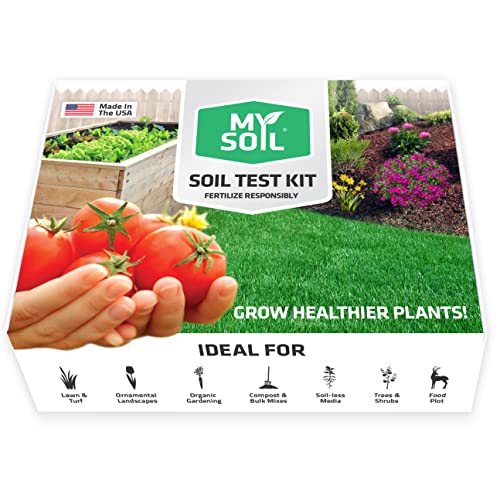
MySoil markets a professional-grade mail-in soil analysis designed to deliver precise measurements of 13 plant-available nutrients plus pH. The kit emphasizes speed, with results typically returned in 6–8 days, and is positioned for diverse growing scenarios—from lawns and turf to container plants and hydroponics. The included recommendations are tailored to soil and plant needs, helping users interpret nutrient data into targeted fertilization and lime adjustments. This kit suits serious gardeners seeking lab-level confidence without coordinating with a local lab.
Key considerations: accuracy and consistency are central, making it a strong choice for those who want comprehensive nutrient profiling beyond basic at-home tests. Users should be aware of the mail-in process, which means timing and mail logistics can affect turnaround. For multi-site projects or ongoing soil management, the 6–8 day timeframe is typically predictable and manageable.
Rapitest Soil Test Kit for Gardens

This kit from Luster Leaf offers quick, at-home results for soil pH and key nutrients such as nitrogen, phosphorus, and potassium. It uses an easy-to-use capsule system and patented color comparators, with a compact setup designed for frequent tests. The package typically covers up to 20 tests across the major variables, enabling multiple sampling sites in yards or garden beds. It is especially well-suited to hobbyists and small-scale gardeners who want rapid feedback to guide small-step adjustments rather than comprehensive lab-style profiling.
Key considerations: speed and affordability are its strengths, but the precision may be influenced by user interpretation of color charts. For users needing highly reproducible data across seasons or large properties, supplementing with a professional lab test can provide deeper insight into soil biology and micronutrients.
AKSBTEC 4-in-1 Soil Test Kit

AKSBTEC combines four essential soil metrics in one kit: pH, Nitrogen, Phosphorus, and Potassium. It includes 40 total tests (10 for each element), making it a practical option for repeated testing across multiple garden zones or a broader lawn. The testing process is designed for quick results—simply mix soil with water, add the reagent, and compare to a color chart. The kit targets both beginners and seasoned gardeners looking for a clear, repeatable method to track soil changes over time.
Key considerations: the 4-in-1 approach provides a balanced snapshot of major nutrients, which is helpful for fertilizer planning. For more detailed micronutrient data or soil biology insights, consider pairing with a lab test. Its durability and higher test count make it suitable for ongoing soil maintenance across larger plots.
Lamotte Model El – Turf and Garden
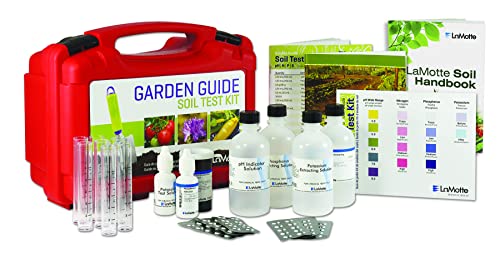
LaMotte’s El model focuses on practical soil analysis for lawns, turf, and general garden use. It provides rapid test procedures, diagrammed instructions, and laminated color charts to measure nitrogen, phosphorus, potassium (15 tests each), and soil pH (30 tests). The kit is accompanied by a Garden Guide manual and LaMotte Soil Handbook to help interpret results and translate them into lime and fertilizer recommendations. The bundle emphasizes ease of use, making it suitable for hobbyists who want credible data without specialized training.
Key considerations: the manual-driven approach is valuable for learning and consistent testing. However, it may require more hands-on interpretation than digital or lab-based methods. It’s a strong option for those who value structured guidance and a long-standing brand with educational resources.
Whitetail Institute Laboratory Kit
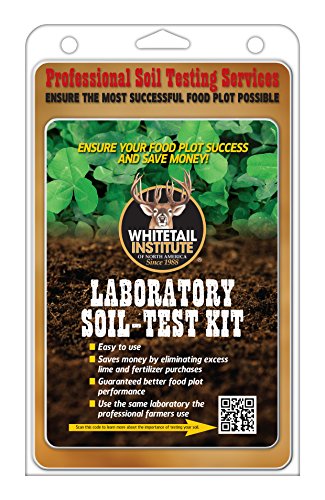
Whitetail Institute’s kit targets professional-grade soil testing with an emphasis on supporting high-quality deer food plots. The kit promises results within a week and includes professional consultation as part of its package. This option is particularly relevant for land managers and hobbyists focused on game forage and wildlife-oriented landscapes who require reliable soil data paired with actionable agronomic guidance.
Key considerations: the bundled professional consultation adds value for accurate interpretation and customized recommendations. It may be more resource-intensive than basic home kits, but for dedicated plots or managed landscapes, it can translate to optimized fertilization strategies and cost savings over time.
Buying Guide: Key Purchase Considerations
- Purpose and scope: If you need lab-grade accuracy for multiple soil zones, prioritize mail-in or professional-kit options (MySoil, Whitetail Institute). For quick at-home checks or occasional tweaks, consumer kits (Rapitest, AKSBTEC) can be sufficient.
- Test coverage: Look at the nutrient spectrum and pH range. Four-in-one kits cover major nutrients in one go, while lab-style tests may quantify micronutrients and soil biology not captured by basic kits.
- Turnaround time: Mail-in tests require shipping time; plan seasons and planting windows accordingly to avoid schedule conflicts.
- Repeatability and calibration: Consider how often you’ll retest and whether you need standardized results across seasons or sites. Kits with clearly defined color charts or digital readouts help improve consistency.
- Guidance and recommendations: Some products include detailed manuals or professional consultations, which can significantly influence how effectively you translate data into actionable steps.
- Cost vs. value: Higher upfront costs for lab-grade kits may yield longer-term savings through precise fertilization, while budget kits are suitable for basic soil awareness and education.
- Ease of use: If you prefer minimal steps and quick results, user-friendly kits with straightforward instructions and minimal setup are preferable. For deeper learning and ongoing soil management, more comprehensive kits may be worthwhile.
- Scale of operation: For large properties or multiple beds, kits with higher test counts and repeatability under field conditions provide better long-term insight.
In choosing a professional soil test kit, consider your primary goals—whether you want detailed lab-like nutrient profiles, quick at-home insights, or a balance of both with expert guidance. Each option in this guide offers a distinct balance of accuracy, convenience, and support to help you optimize lawn and garden health in American conditions.