Choosing the right bed bug treatment for mattresses involves evaluating efficacy, safety, and ease of use. The following picks represent a range of trusted options, from plant-based formulations to professional-grade concentrates, suitable for homes, hotels, and rentals. This guide highlights what to look for and how these products compare in real-world scenarios.
| Product | Brand | Use Case | Key Strength |
|---|---|---|---|
| Ortho Home Defense Max Bed Bug, Flea and Tick Killer | Ortho | Indoor spot treatment | Egg and adult bed bug kill, pyrethroid-resistant bugs |
| EcoVenger Bed Bug Killer | EcoVenger | Plant-based, safe environments | 100% kill efficacy across life stages |
| MGK Crossfire Bed Bug Concentrate | MGK | Professional-grade, direct application | Pyrethroid-resistant strains, eggs included |
| Harris Toughest Bed Bug Killer | HARRIS | Long-lasting residual protection | Extended control up to weeks |
| Ecologic Bed Bug Killer | EcoLogic | Aerosol spot treatment | Kills bugs and eggs on contact |
Ortho Home Defense Max Bed Bug Killer

Ortho’s Home Defense Max Bed Bug, Flea & Tick Killer targets bed bugs, eggs, and other pests. It is designed for indoor spot treatments around bed frames, baseboards, and mattress seams, tufts, and folds. The formula is noted for effectiveness against pyrethroid-resistant bed bugs, making it a strong option for ongoing prevention and immediate relief in bedrooms.
EcoVenger Bed Bug Killer
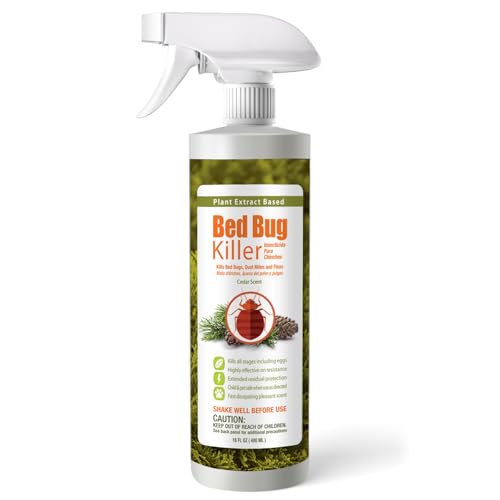
EcoVenger utilizes a patented botanical blend to kill bed bugs and eggs. It emphasizes low toxicity and field-tested efficacy, including USDA-backed validation. Suitable for sensitive settings like public housing or spaces with vulnerable occupants, it targets all life stages and claims strong performance against resistant strains.
MGK Crossfire Bed Bug Concentrate

CrossFire concentrates use a patented formula with two active ingredients and a synergist to address pyrethroid-resistant strains. It delivers quick knockdown and kill, including bed bug eggs, and is intended for direct, indoor applications on mattresses without staining, making it a preferred choice for professional or well-informed DIY users.
Harris Toughest Bed Bug Killer

Harris Toughest Bed Bug Killer offers a robust formula with odorless, non-staining properties and extended residual protection. It targets bed bugs at all life stages and is designed to sustain control for up to several weeks, helping to prevent re-infestation while treatments continue.
Ecologic Bed Bug Killer

Ecologic Bed Bug Killer combines contact action with ingredients like lemongrass and cornmint oil. It is positioned as a ready-to-use aerosol suitable for mattresses, bed frames, suitcases, and other close-contact areas, offering a natural-leaning alternative for quick spot treatment.
Buying Guide
Key purchase considerations help select the right bed bug treatment for mattresses and surrounding areas:
- Efficacy across life stages: Look for products that kill eggs and nymphs, not only adults, to prevent re-infestation.
- Active ingredients and resistance: Consider formulations proven effective against pyrethroid-resistant strains and eggs, especially in high-risk environments.
- Safety and suitability: For homes with children, pets, or sensitive occupants, prioritize plant-based or low-toxicity options with clear usage guidelines.
- Application scope: Determine whether you need spot treatments around the bed, mattress seams, box springs, or larger area coverage for ongoing prevention.
- Residual protection: Some products offer extended residual effects, reducing the need for frequent reapplication.
- Staining and odor: If odor-free and non-staining results matter, review product notes to ensure compatibility with bedding and fabrics.
- Professional vs. consumer use: Professional concentrates may require dilution and specific handling, while consumer sprays emphasize ease of use and safety.
- Environmental and consumer safety certifications: USDA or other certs can indicate suitability for sensitive environments.
- Budget and frequency: Compare upfront cost with coverage and how often reapplication is recommended in your setting.
Consider the context of your bed bug challenge—homes with heavy infestation may benefit from a combination approach (spot treatment plus residual protection), while routine prevention in low-risk environments can rely on safer, ready-to-use products. Always follow label directions and provide adequate ventilation during and after application. For travelers, bedside traps can help verify presence before treatment and monitor success after treatment.