Choosing a low-level carbon monoxide alarm is essential for early detection and protecting your household. This guide highlights reliable options that detect CO at lower concentrations, provide steady power options, and offer clear alerts. The selections emphasize portability, wall mounting, digital readouts, and long-life battery features to ensure continuous protection, even during power outages.
Summary of Selected Products
| Product | Brand | Power | Key Feature |
|---|---|---|---|
| Kidde Carbon Monoxide Detector (AA Battery Powered, Portable) | Kidde | Battery | Portable, LEDs, test-reset, low battery indicator |
| Kidde Plug-In CO Detector (9-Volt Backup) | Kidde | Plug-In with Battery Backup | Digital LED display, backup power |
| Kidde Ultra-Sensitive CO Detector (Pets / Medical) | Kidde | Battery | Low CO sensitivity for medical needs, 85 dB alarm |
| First Alert CO710 with 10-Year Battery | First Alert | Battery | 10-year battery, digital temperature display |
| FORENSICS DETECTORS FD 9ppm CO Detector (Vehicle / Aircraft) | FORENSICS DETECTORS FD | Battery | Low-level 9 ppm alarm for vehicles and aircraft |
Kidde Carbon Monoxide Detector (AA Battery Powered)
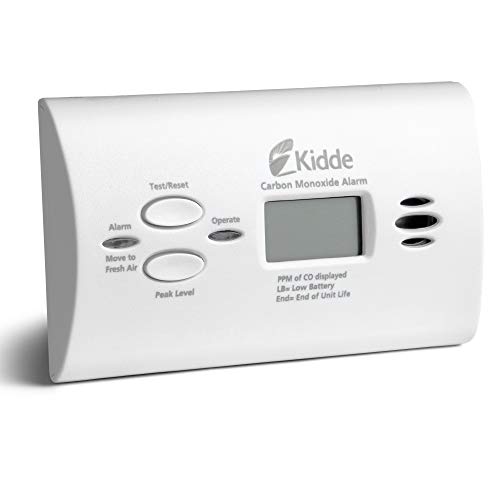
This portable CO detector uses an electrochemical sensor to identify carbon monoxide gas. It runs on two included AA batteries, functioning during power failures, and is suitable for wall mounting or tabletop placement. Its simple design supports quick setup and ongoing awareness of CO levels in any room or vehicle cabin.
Kidde Plug-In CO Detector with Battery Backup

Installed directly into a standard 120V outlet, this model includes a 9-volt battery backup to maintain protection during outages. Its digital LED display shows the current CO level, enabling quick interpretation of readings and enabling prompt response when levels rise.
Kidde Ultra-Sensitive CO Detector for Pets or Medical Needs
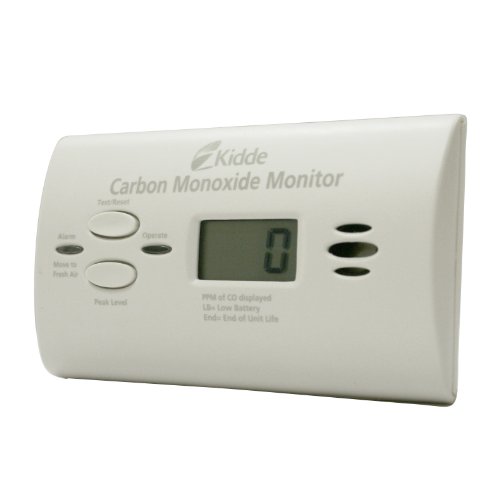
Designed to detect lower CO levels (below 30 PPM), this detector is intended for households with vulnerable individuals or pets. It operates on three AA batteries for continued protection during power outages and includes a wall mount or tabletop placement option. The unit emits an 85-decibel alarm when CO is present, aiding fast response.
Kidde Battery Powered CO Alarm with LEDs
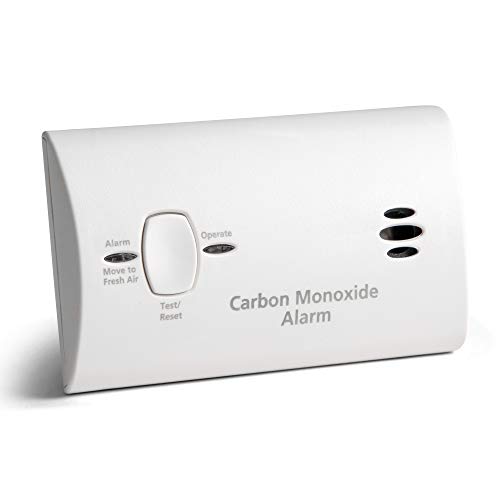
This model includes an electrochemical sensor for CO detection, plus a green LED to indicate power and a red LED with an 85-decibel alarm for CO presence. It supports wall installation or tabletop use and retains functionality during power failures using two AA batteries (included).
NICGOL 4-in-1 Gas and CO Detector

This 2-pack detector combines natural gas, carbon monoxide, temperature, and humidity detection in one device. It uses a plug-in design suitable for home use and mobile environments like RVs. It provides rapid visual and audible alerts at critical thresholds, helping to prevent exposure to multiple hazards.
First Alert CO710 Carbon Monoxide Detector
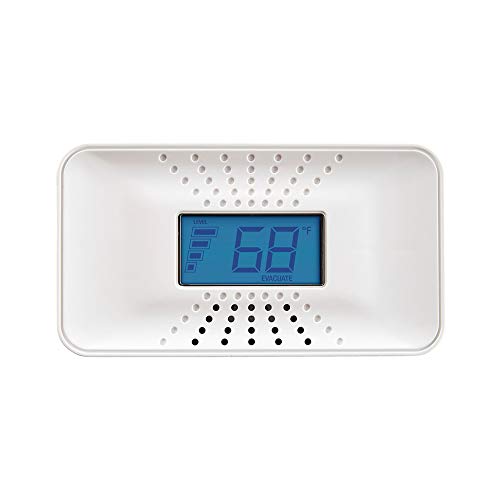
With a 10-year battery, this detector maintains continuous monitoring even during power outages. It features a digital temperature display and a backlit readout of CO concentration. The long-life battery reduces the need for frequent replacements while delivering dependable CO monitoring over a decade.
FORENSICS DETECTORS FD Vehicle/ Aircraft CO Detector

This detector targets low-level CO exposure in vehicles, aircraft, and fleet operations. It alarms at 9 ppm within 60 seconds and 25 ppm at higher thresholds, aligning with WHO and EPA guidance. A bright LED and loud buzzer provide rapid notifications to pilots, drivers, and fleet managers for swift responses.
Buying Guide: Key Purchase Considerations
- Detection range and response time: Look for units that alarm at lower CO levels (near 9 ppm) for early warning, especially in sleeping spaces and medical scenarios.
- Power options: Consider plug-in models with battery backups for outages, as well as portable battery-powered units for flexible placement.
- Display and indicators: Digital readouts help monitor CO levels, while LEDs indicate power status and alarm conditions clearly.
- Alarm features: Audible alarms with sufficient decibels and visual indicators improve recognition in noisy environments or during night hours.
- Lifespan and maintenance: Long-life batteries (10 years for some models) reduce maintenance; check replacement schedules and sensor lifespans.
- Placement considerations: Install devices on every level of the home, near sleeping areas, and in garages if vehicles are used regularly. Avoid kitchens and near heating ducts where false alarms may occur.
- Special needs: For households with medical conditions or vulnerable pets, opt for ultra-sensitive models designed for lower CO thresholds.
- Certifications and reliability: Choose detectors with recognized certifications and multiple alarm tests to ensure dependable performance.