Exploring King George VI coinage offers a window into mid-20th-century British history and currency collecting. This article highlights five notable George VI-era coins and sets that commonly attract attention for value and historical significance. Each entry includes an image, official product link, and the main features that influence a coin’s desirability among collectors. Whether you’re building a focused George VI collection or seeking pieces with potential investment growth, these selections provide a solid starting point for research and comparison.
| Product | Why It’s Notable |
|---|---|
| 8 Coins From United Kingdom | 1949-1952 Set | Includes George VI denominations and iconic symbols; strong period representation. |
| 8 Coins From United Kingdom | 1937-1948 Set | Earlier George VI era with classic designs; potential rarity in sets. |
| 1947-1953 British Shilling Coin | Holds historical significance; national coat of arms design adds appeal. |
| United Kingdom 10 Mixed Coins | Broad exposure to denominations; history across postwar Britain. |
| 3 Novelty Coin Set from Hong Kong (George VI) | Unique display piece; context for postwar era and regional minting. |
8 Coins From United Kingdom 1949-1952 Set

This eight-coin collection from the United Kingdom spans the George VI era with denominations including 1/2 penny, 1 penny, 3 pence, 6 pence, 1 shilling, 2 shillings, and the half crown. The set highlights renowned symbols such as Britannia, the Three-Masted Ship, and the Eurasian Wren, tying historical imagery to monetary value. The coins come from 1949–1952, a period often sought by collectors for postwar minting and surviving example abundance. The listing notes that the coins are not legal tender and emphasizes the potential for value growth as more pieces become scarce over time.
Key considerations: condition variability, year range within the set, and the fact that some coins may have circulated. Investors should assess grade, eye appeal, and any signs of cleaning or damage that could impact long-term value.
1938-1952 Australian Penny (George VI)

This Australian penny from the George VI era represents a different geographic perspective within the Commonwealth. The coin features a Kangaroo design and is listed as circulated, graded by the seller. For collectors, such regional coins offer diversification within a George VI collection and can provide historical context beyond British issues. The designation highlights the historical footprint of King George VI’s reign in Australian coinage, making it a meaningful complement to UK sets.
Key considerations: cross-collection appeal, grading status, and the impact of circulation wear on overall value. Australian mintages and market demand can influence price movement differently from British coins.
1947-1953 British Shilling Coin

This shilling from the late 1940s to early 1950s bears the English Three Lions coat of arms and represents a backbone denomination of the era. As a historical UK piece, it holds appeal for those who focus on heraldic designs and mid-century currency. The listing indicates the coin is in circulated or worn condition, which can affect pricing and collectible appeal. Shillings from this period are commonly sought for museum-like displays and full-year collections of George VI coinage.
Key considerations: condition grade, availability of matching year sets, and the impact of wear on visual appeal and catalog value. War-era and immediate postwar issues often carry narrative significance for collectors.
United Kingdom 10 Mixed Coins (Since 1953)

This bundle presents ten varied British coins from the United Kingdom, offering a snapshot of postwar coinage with denominations including new pence, farthing, penny, shilling, and pound. The description notes these are valuable pieces with non-legal tender status, implying potential appreciation as collectibles. The set’s mix allows collectors to study breadth across denominations and mint years, aiding in the understanding of monetary evolution during King George VI’s reign.
Key considerations: denomination variety, year spread, and the presence of non-circulating pieces. Sets like this can serve as educational tools and potential investment stems when supply tightens or market interest shifts toward pre-decimal currency.
3 Novelty Coin Set from Hong Kong (George VI)
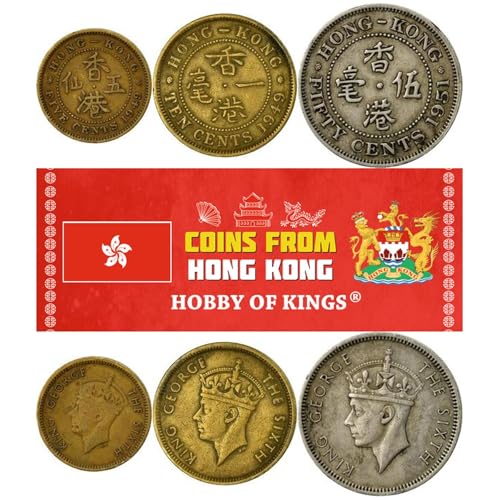
This Hong Kong novelty trio from the George VI era serves as a conversation piece and display-enhancing item rather than a high-grade investment. The set emphasizes crown designs and postwar-era interest, making it a suitable addition for themed displays or educational exhibits. While not always aligned with strict numismatic value, novelty sets can attract attention in public showings and can diversify a George VI collection beyond traditional coins.
Key considerations: display value versus monetary value, potential interest from historians or educators, and the novelty market’s volatility. These items often complement more serious coins in a curated collection.
Buying Guide: George VI Coin Value—What to Consider
When assessing King George VI coin value, collectors should examine several critical factors. First, condition and grade strongly influence price, especially for circulated pieces versus uncirculated specimens. Second, verify authenticity and any grading from reputable services or trusted sellers. Third, consider the rarity and year range of the piece; early- versus late-George VI issues can exhibit different levels of scarcity in the market. Fourth, evaluate provenance and packaging—complete sets or coins with clear historical narratives often command higher interest. Fifth, assess market demand within the broader numismatic community: UK coinage, Commonwealth issues, and regional coins each have distinct collector bases. Finally, compare similar items across listings to gauge fair pricing, while noting non-legal tender status can affect long‑term growth expectations. Diversification—mixing UK sets with Commonwealth issues—can balance risk and opportunity for a George VI-focused collection.
In practice, buyers should: (1) inspect images for wear, cleaning, or damage; (2) request additional photos or certificates when possible; (3) confirm year and denomination alignment within a set; (4) check for provenance details; and (5) factor in potential future demand shifts, such as shows or auctions emphasizing mid-20th-century coinage. A well-rounded approach combines focused UK George VI pieces with complementary Commonwealth and regional issues to create a robust, historically informed collection.