Water-powered micro turbines offer a compact path to learning about hydroelectric energy and generating small amounts of electricity for experiments or demonstrations. This guide highlights five practical micro turbine options that align with common home and classroom projects. Each product leverages a transparent view into the turbine and power generation process, letting you observe real-time energy capture from flowing water or simulated water sources. Read on to compare core specs, setups, and what to consider when selecting a micro hydro turbine for learning or small-scale power tasks.
| Product | Brand | Voltage | Key Feature |
|---|---|---|---|
| Beduan Micro Water Turbine Generator Hydroelectric Power G1/2″ Male Thread 12V | beduan | 12V | 15–55 dB nominal noise, supports 12V charging and lighting |
| Beduan Micro Water Turbine Generator Hydroelectric Power G1/2″ Male Thread 24V | beduan | 24V | Supports 24V charging and lighting, similar form factor |
| Beduan Micro Water Turbine Generator Hydroelectric Power G1/2″ Male Thread 5V | beduan | 5V | Low-voltage option for small LEDs and USB experiments |
| Water Turbine Generator, Micro Water Flow Generator Hydroelectric, 12V 1/2 Inch | Tyenaza | 12V | Transparent shell for real-time viewing of turbine operation |
| Pump Turbine Generator, Water Turbine Generator Micro Hydroelectric, 5V | Tyenaza | 5V | Small, learner-friendly power generation with clear housing |
These options emphasize educational value, ease of setup, and straightforward power output suitable for demonstrations, small lighting projects, or charging low-power devices in controlled environments. When selecting a turbine, consider the available water source, required voltage, ease of integration with test rigs, and the intended learning goals.
Beduan Micro Water Turbine Generator 24V

Brand: beduan. This unit mirrors the 12V variant with a G1/2″ male thread, designed for compact hydro setups. Features indicate suitability for 24V charging, powering small loads like radios or LED lighting, and a generator life of about 3000 hours. The output is documented as 24V AC, with a maximum system pressure tolerance similar to other micro hydro devices. Ideal for researchers experimenting with dual-voltage configurations or integrated micro-grid demonstrations in classrooms.
Thames & Kosmos 3-Foot Wind Turbine (Note: Primarily Wind)
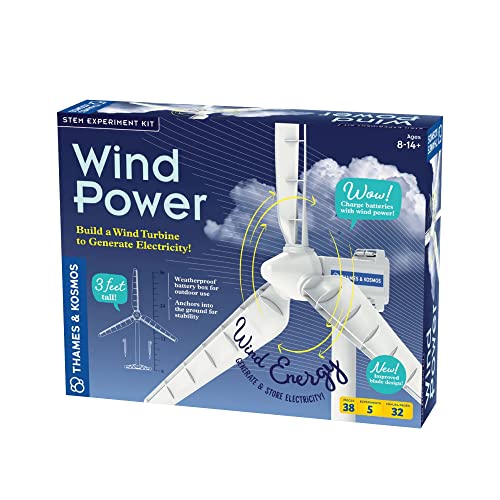
Brand: Thames & Kosmos. Although this item is a wind turbine, it’s included here to illustrate how turbine design concepts cross between wind and water power. It demonstrates durable, single-piece blade construction and electrical output to charge a battery or run a small model car. This helps learners compare energy capture principles across mediums, but keep in mind it is not a hydro-specific device.
Beduan Micro Water Turbine Generator 12V
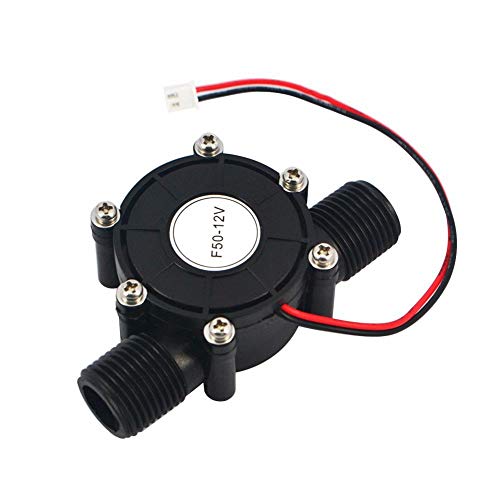
Brand: beduan. This 12V option is designed for charging small devices and lighting projects. The product notes indicate a maximum operating pressure around 1.2 MPa and a generator life around 3000 hours. It is suitable for integrating with compact water circuits or educational rigs where observed turbine performance under water flow is a focus of study.
Tyenaza Water Turbine Generator 12V

Brand: Tyenaza. This 12V micro hydro generator emphasizes a transparent shell to view the turbine in real time. It is described as compact and lightweight with a simple installation process, suitable for adaptable DIY hydro experiments, faucets, and other small-scale power projects. It is positioned for educational use and basic energy demonstration in STEM activities.
Tyenaza Pump Turbine Generator 5V

Brand: Tyenaza. The 5V variant is compact and designed for small-scale energy projects. Its transparent shell enables observation of the turbine and generator, making it a practical teaching tool for illustrating how flow rates and turbine design influence voltage and current in micro-hydro systems. It’s compatible with demonstration rigs that aim to teach basic circuitry and energy conversion.
Beduan Micro Water Turbine Generator 12V (Alternate)
Brand: beduan. A repeat emphasis on natural water flow experiments and charging small electronics. The 12V class continues to be a practical option for learners exploring hydroelectric concepts, with an emphasis on durability and straightforward wiring for classroom demonstrations or hobby projects.
Buying Guide: Key Purchase Considerations For Micro Hydro Turbines
- Voltage and load requirements: Determine the target voltage (5V, 12V, 24V) and the anticipated load (LEDs, radios, small chargers) to select a turbine that aligns with your learning goals and safety constraints.
- Water source and flow: Micro turbines typically require a controlled flow, not just ambient streams. Consider whether you’ll use a bench rig, a pump-fed setup, or a small water reservoir with regulated flow for consistent demonstrations.
- Construction and materials: Transparent shells aid learning by showing internal motion, while durable housings improve longevity in classroom environments or outdoor patios.
- Mounting and integration: Look for compatible thread sizes (such as 1/2″ G threads) and mounting options that fit your test rig, stand, or enclosure. Ease of wiring and safety features are important for educational use.
- Noise and efficiency: Expect some mechanical noise during operation; however, typical values suggest acceptable levels for classroom or hobby use. Efficiency is usually modest but sufficient for educational demonstrations and small power tasks.
- durability and lifespan: A generator life around several thousand hours indicates robust components that can withstand repeated testing and long-term use in a learning environment.
- Expansion potential: Some units offer multi-voltage options or can be paired with simple storage (batteries) to illustrate energy capture, storage, and usage cycles in a mini-grid setup.
When planning a project, compare how each turbine suits your demonstration goals, space constraints, and water source. For classrooms, prioritize safety features, ease of use, and clear visibility of the turbine’s operation. For hobbyists, consider modularity, upgrade paths, and compatibility with simple electrical loads. Across all options, the goal is to illustrate the relationship between water flow, turbine design, and electrical output in an accessible, hands-on way.