Selecting the right qualitative fit test kit is essential for validating respirator seals in workplaces and DIY environments. The following five kits are commonly used across industries for qualitative testing. They support various respirator types and testing methods, and are chosen for reliability, ease of use, and compliance readiness. The table below provides quick references to each product’s key features and intended use.
| Product | Brand | Test Type | Includes | Approx. Tests |
|---|---|---|---|---|
| GERSON Fit Test Kit QLFT50 | GERSON | Saccharin (Qualitative) | Saccharin solution, no respirator included | Up to 50 tests |
| GERSON Fit Test Kit QLFT60 | GERSON | Bitrex (Qualitative) | Bitrex solution, test hood may be needed | Up to 55 tests |
| Allegro 2050 Fit Testing Kit | ALLEGRO | Irritant smoke (Qualitative) | Smoke tubes, tubing, hood, case | Multiple tests per tube |
| Allegro Bitter Fit Test Kit | ALLEGRO | Bitrex (Qualitative) | Hood, nebulizers, test solutions, hood coating | Supports several tests per kit |
| 3M Qualitative Fit Testing Kit | 3M | Bitrex or Bitter (Qualitative) | Fit test apparatus, bitter solution options | Multiple tests depending on kit contents |
Below, each product is examined in detail with its primary features and testing considerations to help you choose the right kit for your needs.
GERSON Fit Test Kit QLFT50 — Qualitative Saccharin
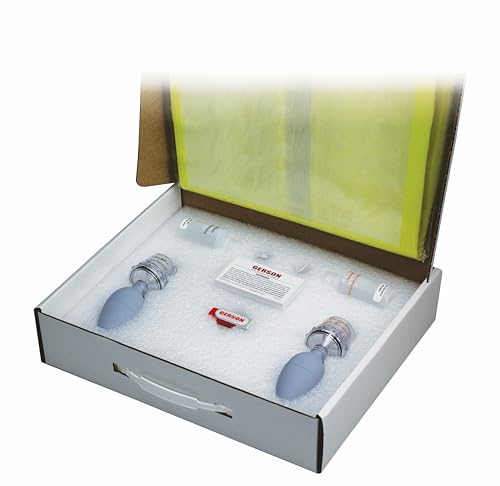
The QLFT50 kit from GERS0N is designed for qualitative saccharin testing. It is compatible with any Filtering Facepiece Disposable and negative-pressure half- or full-face respirators. Note that this kit does not include a respirator itself, so separate PPE is required. This option is suited for facilities conducting regular fit testing that already have compatible respirators on hand. The Saccharin method provides a quick, noticeable sweet taste to indicate an improper seal, enabling rapid correction and re-testing.
Key considerations:
– Saccharin-based testing is widely understood and easy to interpret.
– Requires minimal additional equipment beyond the kit.
– Useful for standard fit-testing programs in safety-conscious environments.
– Properly trained staff should perform and document the test for compliance.
GERSON Fit Test Kit QLFT60 — Qualitative Bitrex
The QLFT60 kit uses Bitrex for qualitative testing and is designed to work with various respirators, including filtering facepieces and negative-pressure models. The kit provides enough Bitrex solution for up to about 55 tests, making it a practical choice for mid-sized workplaces or training programs. Like other qualitative kits, it relies on the test subject’s ability to taste the irritant when a leak is present, signaling the need for a proper seal adjustment.
Key considerations:
– Bitrex taste response is highly reliable but may be affected by individual tolerance.
– Sufficient solution volume supports recurring testing cycles.
– Proper hood usage and testing protocol improve accuracy.
– Ensure clear documentation of test results for regulatory records.
Allegro 2050 Fit Testing Kit

Allegro’s 2050 kit emphasizes irritant smoke for qualitative fit testing. It includes a hand-operated air bulb, smoke tubes, a protective pouch, tubing, and related components. Typical usage involves generating a visible irritant smoke during a fit test to reveal leaks and verify a proper seal. The kit is suitable for workplaces adhering to OSHA-style testing protocols and provides multiple testing opportunities per kit as tubes are replaced between tests.
Key considerations:
– Smoke-based testing provides a dramatic visual cue of leaks, which can aid training.
– Replacement tubes and accessories are available for ongoing testing programs.
– Ensure proper handling of irritants and adherence to safety guidelines.
– Training on smoke test procedures improves reliability and consistency.
Allegro Bitter Fit Test Kit

The Allegro Bitter kit uses Denatonium Benzoate (Bitrex) for tailing the qualitative process. It includes a test hood, nebulizers, sensitivity and test solutions, and a bitrex solution volume that supports multiple tests. This kit is well-suited for training scenarios and routine fit testing where Bitrex-based assessment is preferred. The kit’s components are designed to be reusable with proper cleaning and storage practices.
Key considerations:
– Bitrex-based testing is widely recognized and compatible with many respirator types.
– The kit layout supports repeated testing sessions with included solutions.
– The sensitivity and test nebulizers help calibrate test conditions for consistent results.
– Follow safety procedures when handling irritants and disposing of spent solutions.
3M Qualitative Fit Testing Kit

3M offers a qualitative fit testing kit designed for use with a variety of 3M respirators and prefilters. This kit supports Bitrex or Bitter-type testing and is part of a broader ecosystem of respiratory protection products. The kit is suitable for organizations already standardizing on 3M equipment and seeking integrated testing workflows. It emphasizes ease of use, dependable results, and compatibility with standard 3M facial protection solutions.
Key considerations:
– Compatibility with 3M respirators and prefilter options simplifies procurement.
– “Bitter” testing approaches align with common OSHA fit testing practices.
– Availability of test apparatus and replacement solutions supports ongoing programs.
– Documenting results and maintaining calibration records is essential for compliance.
Buying Guide — Key Purchase Considerations
When choosing a qualitative fit test kit, consider the following factors to ensure you meet your safety goals and regulatory obligations:
- Test Type and Sensitivity: Saccharin and Bitrex are the most common qualitative agents. Choose based on user taste sensitivity and training needs. Some users may have taste impairments, so Bitrex often provides a broader reliability profile.
- Compatibility: Ensure the kit supports the respirators you use (half-face, full-face, disposable filtering facepieces). Some kits specify compatibility with specific respirator types, while others are universal.
- Volume and Refill Availability: Look at the number of tests included and whether refills are readily available. Programs with frequent testing will benefit from larger test inventories.
- Safety and Handling: Review how irritants are stored and disposed of. Proper handling minimizes exposure risks and ensures workplace safety.
- Ease of Use and Training: Kits with clear instructions, intuitive test procedures, and thorough training materials help reduce errors and improve consistency.
- Documentation and Compliance: Choose kits that align with OSHA and local safety regulations. A system for recording results, test dates, and respirator models supports audits and certification.
- Cost of Ownership: Consider not only the kit price but also ongoing costs for solutions, replacement tubes, and equipment maintenance over the program’s lifetime.
- Environmental and Facility Factors: Some testing environments may require specific hood setups or ventilation considerations to prevent cross-contamination or exposure.
In practice, organizations often run periodic fit tests on multiple shift teams. Selecting a kit with a higher test allowance per package and a broad compatibility range reduces downtime and simplifies procurement. When evaluating options, compare included components (hoods, nebulizers, and test solutions) and check if replacement parts are readily available. Finally, ensure your staff receive proper training and that testing procedures are documented for compliance and traceability.