Answering what to buy for a cushioned, safe, and easy-to-assemble workout space, this guide highlights top interlocking foam mats. Each option is best suited for different home gym needs, from compact apartments to larger training areas. The selections emphasize durability, grip, and easy cleaning. Use this overview to compare setup, feel, and protection when choosing a mat system for floors, kids’ play, or light equipment.
Quick comparison table of chosen products:
| Product | Thickness | Size | Packages | |
|---|---|---|---|---|
| Haulcove Puzzle Mats | 0.4 in | 12.6″ square | 18 tiles | Balanced traction and stability |
| CAP Barbell Puzzle Mat | 1/2 in | 24″ x 24″ | 1 tile pack | Shock absorption and grip |
| BeMaxx Gym Mats | 0.4 in | 12.6″ square | 18 tiles + edge pieces | Floor protection plus easy cleanup |
| AIRHOP Gym Floor Mats | 0.4 in | 12.6″ square | 18 tiles | Versatile, multi-surface use |
| ProsourceFit Puzzle Mat | 1/2 in | 24″ x 24″ | 6 tiles | General home gym and play areas |
Haulcove 18pcs Puzzle Exercise Mat

Best For: Home gym users seeking a balanced surface with strong anti-slip properties. The textured top and anti-skid bottom help reduce shifting during movement, making it suitable for barefoot or shoe workouts.
Why chosen: The dual-texture EVA foam provides a comfortable, stable feel while resisting everyday wear and moisture. The water-resistant surface simplifies post-workout cleaning, and the quick interlocking design enables tool-free setup and rearrangement.
Limitations: While durable, thinner panels may offer less isolation on extremely hard subfloors; consider adding a thicker layer if you require extra cushioning for heavy equipment.
CAP Barbell 1/2-Inch Interlocking Puzzle Mat

Best For: Home gym enthusiasts needing strong shock absorption and a simple setup. This mat’s 1/2-inch thickness offers good cushion for diverse workouts while maintaining stability through puzzle interlocks.
Why chosen: High-density EVA foam provides clear cushioning, and the interlocking design makes perimeter shaping easy to tailor to space. A non-slip surface adds safety during workouts and transitions.
Limitations: The surface texture may wear with extreme abrasion; consider rotating tiles if used with heavy equipment on a frequent basis.
BeMaxx Gym Mats Set — 18 Tiles

Best For: Buyers prioritizing floor protection, noise dampening, and long-lasting durability in busy home spaces or garages.
Why chosen: The set includes edge pieces for full coverage and is crafted from high-quality, non-toxic EVA foam with anti-slip surfacing. It is designed to withstand sweat, dirt, and everyday use while remaining easy to clean.
Caution: Some users report a noticeable odor at first; airing out the tiles before full setup can help mitigate this issue.
AIRHOP 18 PCS Gym Floor Mat
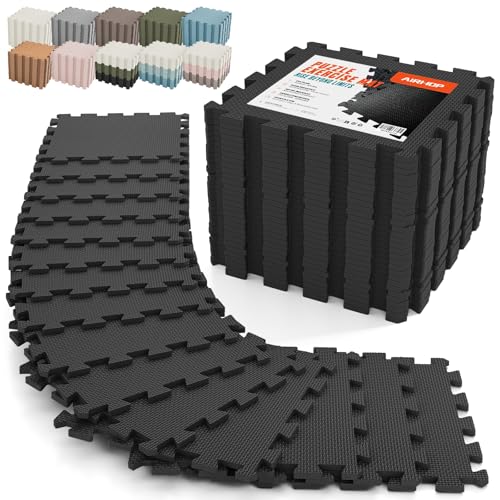
Best For: Multi-purpose spaces needing flexible configuration for yoga, cardio, and play activities in addition to workouts.
Why chosen: These mats emphasize a 0.4″ thickness with durable, eco-friendly EVA foam, offering good sound absorption and waterproof performance. The interlocking tabs ensure a snug fit that stays in place during varied activities.
Limitations: Some users may prefer a bit more thickness for heavy lifting areas or equipment bases; pairing with a protective underlayment can help in hard floors.
ProsourceFit Exercise Puzzle Mat — 24 Sq Ft
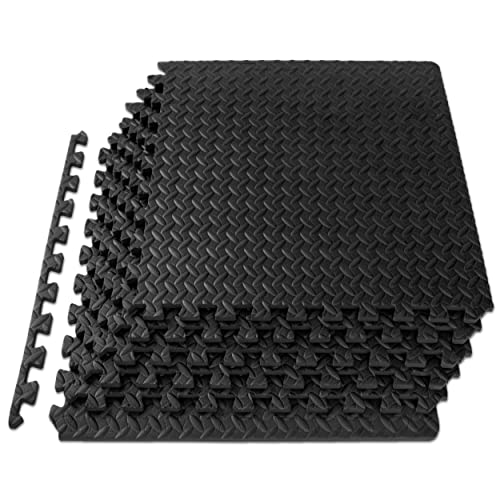
Best For: General home gym or play areas where a balance of cushion and ease of cleaning is desired.
Why chosen: The 1/2-inch thick EVA foam provides solid support and palm-friendly surface. It’s water-resistant and easy to clean, making it suitable for workouts, garages, and family spaces.
Limitations: Color and texture may vary slightly by batch; ensure a consistent look by ordering all tiles in one batch when possible.
Buying Guide
What thickness do I need?
Thicker mats (1/2 inch to 1 inch) offer more joint protection for high-impact workouts, while 1/2 inch provides ample cushion for general exercises and light cardio. For kids’ play spaces, 1/2 inch or thicker is often preferable.
How should I configure the space?
Measure your area and plan edge pieces or border tiles to create clean boundaries. Interlocking edges help prevent gaps and make cleaning easier. Consider modular layouts for future reconfigurations as your space or routine changes.
What about grip and stability?
Look for mats with textured surfaces and anti-slip bases. A double-sided non-slip surface or textured top helps reduce shifting during workouts, especially on hard floors.
Maintenance and cleaning
Most mats are water-resistant and easy to wipe clean. To maintain longevity, clean after workouts and store in a dry area. Avoid harsh chemicals that could degrade foam over time.
Safety considerations
Choose mats with non-toxic EVA foam and BPA-free construction when possible. Check for edge pieces that create a continuous surface and reduce tripping hazards.
Space and storage
Interlocking mats are highly portable. Favor lighter, stackable tiles if you frequently reconfigure or store away between sessions.
FAQ
- Are interlocking foam mats good for heavy equipment? They provide cushioning and protection for light to moderate workouts. For heavy equipment, use thicker mats or place protective underlayment beneath to distribute weight more evenly.
- Do these mats prevent slipping? Yes, many options feature textured surfaces and anti-slip backings to minimize movement during exercises.
- Can I use these in a basement or garage? Yes, most mats are designed for indoor use and offer moisture resistance, making them suitable for basements and garages.
- How many tiles are needed to cover a room? Calculate room square footage and add about 10–15% for edge pieces and waste; tiles are typically sold in sets with a stated coverage area.
- Are there any safety concerns with EVA foam? Choose BPA-free, non-toxic EVA foam and avoid mats with sharp edges or brittle corners to reduce papercuts or injuries.
- Do they emit odors? Some mats may have a new-manufacture odor; airing out before use can help reduce it quickly.