Answering the common question: which drainage pipe catch basin setup best protects foundations and directs runoff efficiently? This guide highlights five practical options for American homeowners, contractors, and DIYers seeking durable, low-profile systems. Each product is chosen for reliability, ease of installation, and adaptability to different yard layouts. Best for: homeowners with simple runoff challenges, property managers needing flexible routing, and builders installing discrete drainage around foundations.
| Product | Best For | Key Benefit |
|---|---|---|
| NAACOO Gutter Downspout Extensions | Foundations & patios needing flexible routing | Double drain holes and extendable pipe up to 8 ft |
| Prestantious Low Profile Catch Basin Kit | Underground installs near patios or walkways | Low profile, 2 in. pipe, extendable to 16.4 ft |
| Dooeant Catch Basin Drainage Kit | Versatile pipe fits for multiple sizes | Debris basket and four spouts for DIY routing |
| NDS 201 Round Spee-D Catch Basin | Light to moderate stormwater control | Two outlets, easy underground connections |
| NDS 101 Round Spee-D Catch Basin | Smaller outlets with simple setup | One outlet, reliable drainage |
NAACOO Gutter Downspout Extensions, 12x12in Catch Basin
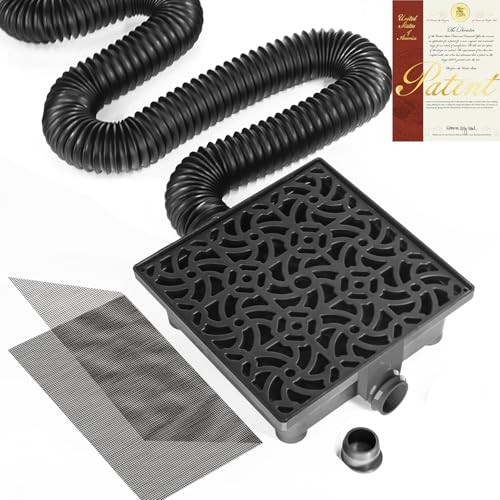
Best for: homeowners seeking a compact, flexible catch basin with an extendable pipe. This kit combines a 12×12 inch catch basin with a flexible pipe that can reach up to 8.2 feet. The design features double drain holes to improve efficiency and a slope that reduces standing water and dirt buildup. The pipe is described as durable, UV resistant, and suitable for underground use.
Selected because: it emphasizes modularity—two drain points, a longer extendable pipe, and options to splice or block one side if needed. This makes it suitable for directing water away from foundations while avoiding trench digging.
Caution: ensure proper alignment with existing downspouts and confirm soil conditions can support buried piping without risk of damage from heavy loads or roots.
Prestantious Low Profile Catch Basin Drain Kit

Best for: installations where digging deep is not desirable and an underground route is preferred. The kit features a 12″×12″ catch basin with a 2-inch ID flexible pipe, extendable from 4.6 ft to 16.4 ft. Assembly is required as the pipe and basin are separate. It supports redirecting water away from patios and toward drainage paths.
Selected because: it offers a low-profile solution that blends with landscaping and provides a clear path for ground water away from vulnerable structures. The long pipe reach helps accommodate larger yards or longer setbacks.
Caution: assembly is required, and fit tolerance between the pipe and basin should be checked to prevent leaks at joints.
Dooeant Upgrade 12-Inch Catch Basin Drainage Kit

Best for: gardens, yards, and outdoor spaces requiring a versatile kit that fits multiple pipe diameters (2″, 3″, 4-3/8″, 6-3/8″). It includes a debris basket and a redesigned spout with four outlets for flexible DIY drainage routing. This helps direct water where you want while reducing debris blockages.
Selected because: the expanded spout options enable more routing configurations, which is valuable for complex landscapes or multi-slope sites. The debris basket is a practical feature for maintenance.
Caution: more pieces mean more assembly steps; verify you have space and coordination for multiple connectors and spouts.
NDS 201 Round Spee-D Catch Basin Drain

Best for: light-to-moderate stormwater control with two outlets for straightforward drainage routing. The NDS 201 is designed for underground installation and connects to 3″ and 4″ pipes, making it suitable for standard home drainage schemes.
Selected because: it provides a simple, reliable two-outlet configuration that is easy to integrate alongside downspouts and common drainage lines, supporting predictable water flow away from foundations.
Caution: ensure compatibility with downstream drainage pipes and verify space for underground installation without interfering with utilities or roots.
NDS 101 Round Spee-D Catch Basin
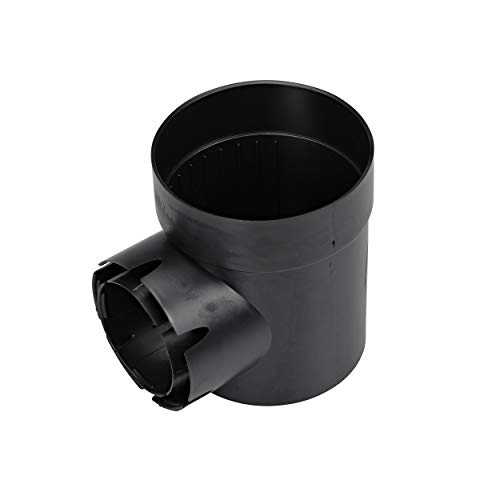
Best for: smaller drainage projects or areas with limited installation space, offering a single outlet and straightforward integration with 3″ and 4″ drain pipes. It works underground with common sewer and drain setups and suits light flows.
Selected because: its compact design and simple installation make it ideal for tight spots near foundations or patios where a more complex kit isn’t necessary.
Caution: single outlet means less routing flexibility; consider future expansion if drainage needs increase.
Buying Guide: Drainage Pipe Catch Basin Systems
When selecting a catch basin drainage kit, balance installation ease, pipe size, and drainage direction. Consider soil type, slope, and desired water displacement distance. If you need concealment, low-profile designs help hide components under mulch or landscape rock.
What size pipe do I need?
Common residential sizes are 2 inches to 4 inches. Bigger pipes move more water, but require larger basins and more space. Choose a system that aligns with your existing downspouts and the desired discharge point.
How important is a debris basket?
A debris basket helps prevent clogs from leaves and small debris. This is especially useful in yards with significant foliage or near trees. If included, it reduces maintenance but may require periodic cleaning.
Can I install underground drainage without digging?
Many low-profile kits are designed for shallow burial and minimal digging. They’re ideal for patios or foundations where extensive trenching isn’t feasible. Ensure you follow local codes and avoid utilities.
Is multi-outlet drainage better?
Two outlets offer routing flexibility, enabling water to drain in two directions or to be redirected when one side is blocked. For simple projects, a single outlet can suffice.
What maintenance is required?
Inspect for sediment buildup, check joints for leaks, and clear out any debris from baskets or grates. Regular checks prevent long-term damage to foundations and landscape.
Best practices for installation
- Plan a clear drainage path away from the foundation with a gentle slope.
- Ensure secure connections to prevent leaks and pipe dislodgement.
- Use appropriate backfill material to protect underground pipes.
- Consider shading and landscaping to minimize exposure to UV and temperature fluctuations.
FAQ
- What is a catch basin used for? A catch basin collects surface water and channels it into a drainage pipe to prevent pooling near foundations.
- Do all catch basins require digging? No—many low-profile models are designed to be installed with minimal digging and can be buried shallowly.
- Can I connect multiple basins? Yes, some kits support multiple spouts or pipe connections for extended drainage routes.
- How do I know which pipe size to choose? Consider your downspout size, soil drainage capacity, and the distance water must travel to reach a suitable outlet.
- Is maintenance necessary? Yes, periodic checks for clogs and leaks help maintain effective drainage and protect foundations.
- Will these systems prevent foundation damage? Properly installed systems that channel runoff away from foundations reduce the risk of water intrusion and foundation settlement.